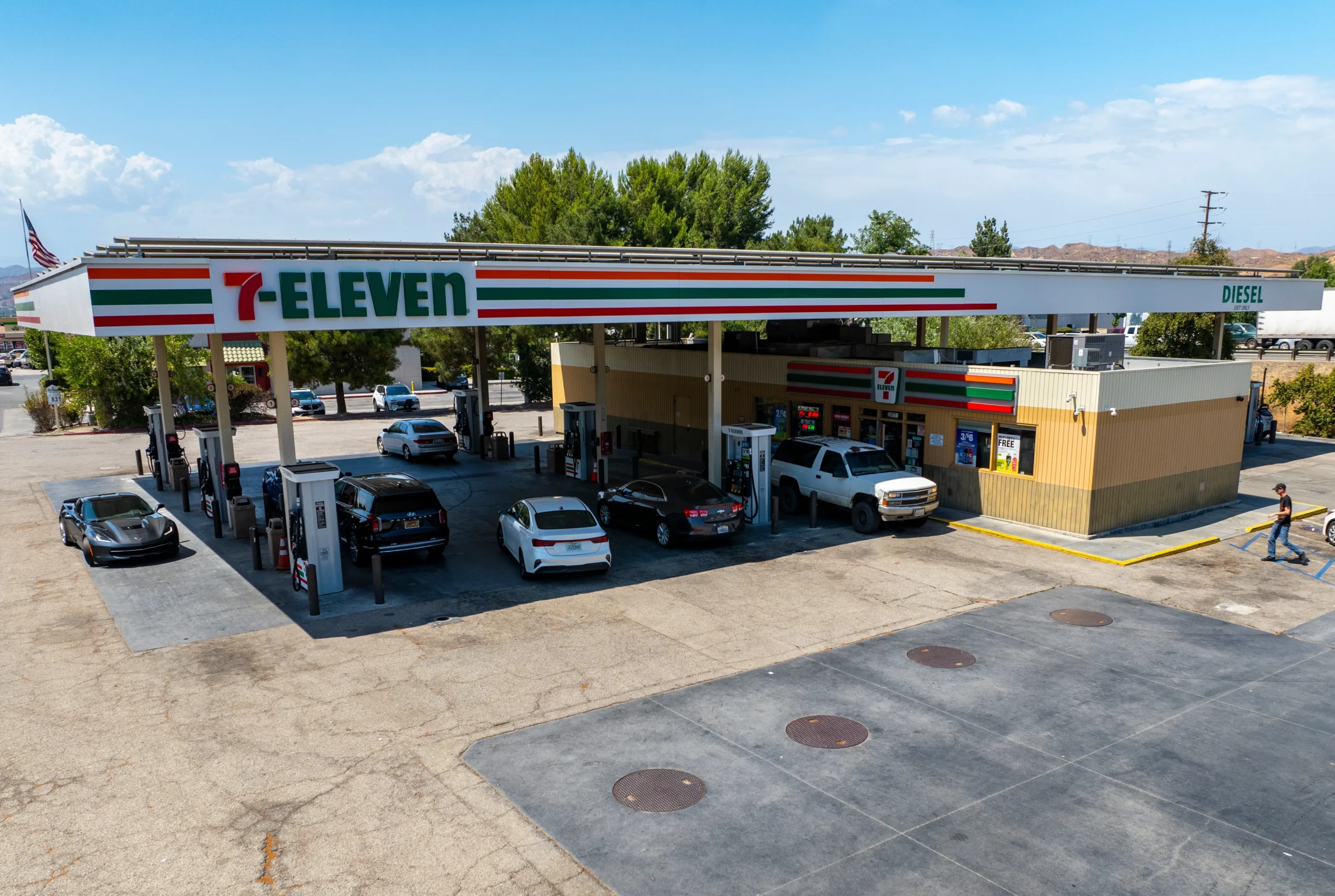
Gasoline prices in the United States registered another weekly decline, marking six consecutive weeks of decreases. This trend has brought the national average price down to $3.85 per gallon. The drop represents a reduction of nearly 15% from the peak reached in May and offers some relief to millions of drivers during the peak travel season.
According to GasBuddy data, the national average price of gasoline decreased by 14.1 cents per gallon over the past week. The reduction was seen across much of the country, with notable decreases of 25 cents in Colorado, 22 cents in Arizona, and 21 cents in Ohio.
Diplomacy with Iran helps to moderate the market
Part of the recent stability in gasoline prices is linked to the easing of tensions between the United States and Iran. The expectation that energy flows through the Strait of Hormuz will continue uninterrupted has reduced pressure on international oil markets.
The Strait of Hormuz is one of the most important shipping routes for crude oil, and any disruption to its operation usually has immediate effects on energy prices. Over the past few days, some tankers continued to transit the area, a sign that helped to contain volatility.
A relief for consumers and for inflation
The drop in fuel prices could translate into further relief for US inflation. Energy costs have a direct impact on freight transport and mobility expenses for households and businesses.
Likewise, the decline comes at a politically sensitive time for President Donald Trump’s administration and for Republican lawmakers, who are facing criticism over the high cost of living and seeking to maintain their majorities in the upcoming legislative elections.
Market analysts believe that moderating energy prices could help improve the short-term economic outlook if supply conditions remain stable.
Risks to energy supply persist
Despite the downward trend, the outlook still presents factors of uncertainty; industry experts warn that any deterioration in relations between Washington and Tehran could again disrupt the market equilibrium.
In addition, operational disruptions at US refineries continue to be a concern; TotalEnergies’ Port Arthur refinery in Texas, with a capacity to process 238,000 barrels per day, temporarily suspended operations after a power outage caused by a lightning strike.
Meanwhile, a fire at Marathon Petroleum’s Galveston Bay refinery in Texas City once again highlighted the vulnerability of energy infrastructure to unforeseen incidents. This facility has a capacity of approximately 631,000 barrels per day.
The hurricane season could change the trend
Specialists are also closely monitoring the start of hurricane season in the Atlantic, as extreme weather events can affect platforms, terminals, and refineries located on the Gulf Coast of Mexico, a crucial region for fuel supply in the United States.
As long as shipping through the Strait of Hormuz remains operational and refineries fully recover their capacity, consumers could continue to benefit from lower prices at the pump. However, any significant disruption to the energy supply chain could quickly alter the trend observed in recent weeks.
Source: Reuters
Photo: Shutterstock