Table of Contents
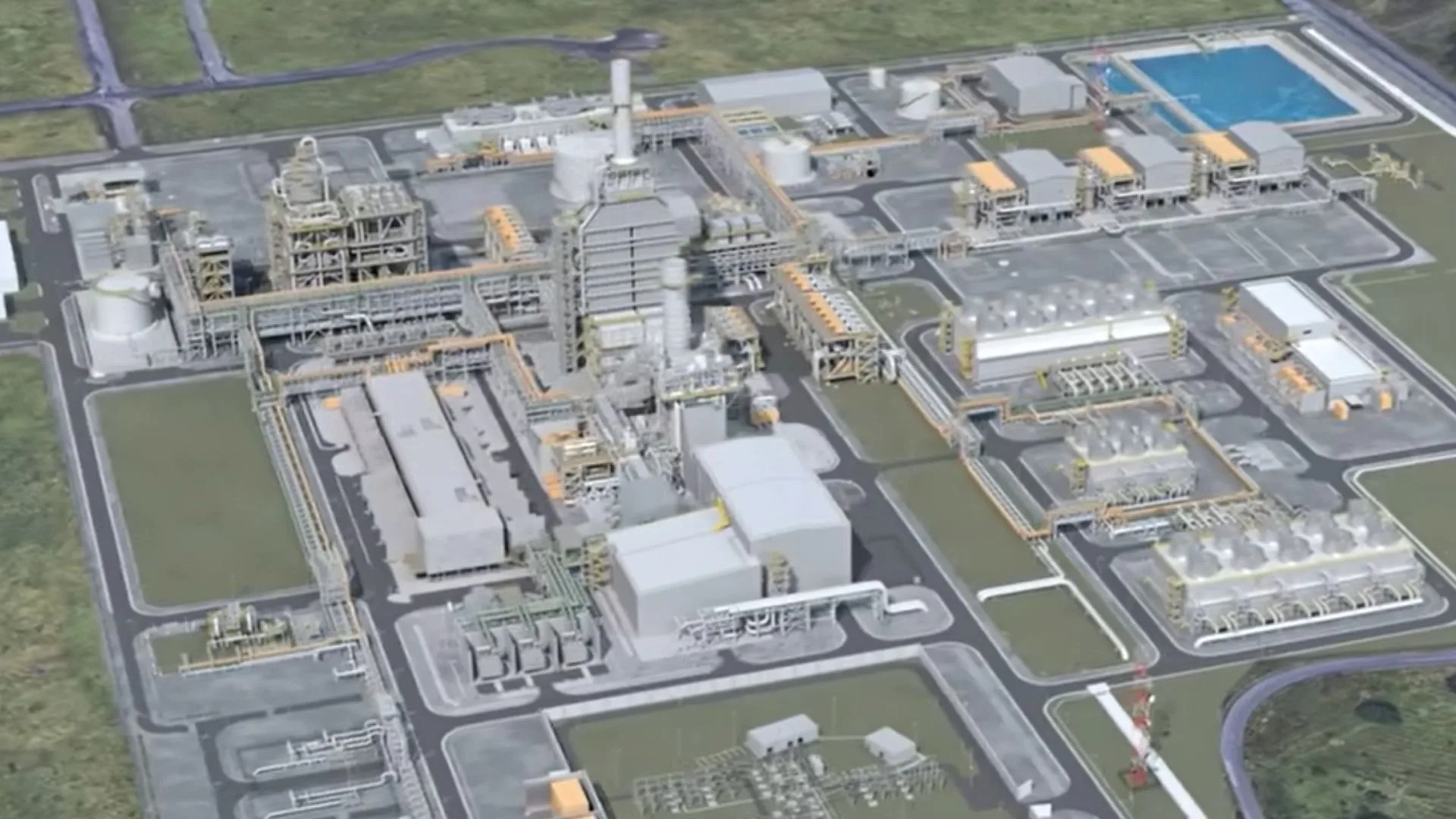
Technip Energies has secured the contract to upgrade the Long Son Petrochemicals plant through a major technical reconfiguration. The main objective is to convert the existing steam cracking unit to process ethane instead of naphtha, a move intended to safeguard the plant against fluctuations in the global market.
The ethane conversion at the Long Son plant
Based on my experience analyzing engineering contracts, I would emphasize that the key lies in implementing proprietary ethylene technologies. Technip Energies will provide its patented burners and its ultra-selective conversion furnace design, along with the rectifier system with heat integration. These components ensure optimized ethylene recovery and superior energy efficiency. The company will not only supply the equipment, but will also oversee on-site technical assistance to ensure precise execution.
Indeed, profitability is the driving force behind this strategic initiative. By integrating larger quantities of ethane into the feed mix, the complex will achieve a substantial cost reduction and improved competitiveness for its derivative products. Likewise, this project stands out for its environmental impact, as diversifying the feedstock makes it possible to significantly reduce the facility’s carbon footprint intensity. This is a logical response to today’s demand for industrial inputs with lower emissions.
Indeed, this agreement strengthens a relationship of trust that dates back to the original construction of the complex between 2018 and 2023. Technip Energies’ proven execution capability in the past was decisive in Long Son Petrochemicals choosing its technology again. It is essential to understand that steam cracking units are the heart of the petrochemical value chain, and any improvement in their flexibility has a positive impact on the manufacture of everyday plastics, textiles, and packaging.
Finally, this project in Vietnam is positioned as one of the first worldwide to carry out a conversion of this type in recent years. The adoption of low-carbon feedstocks and the optimization of thermal efficiency are priorities for forward-looking producers. The market will be watching closely to see how this plant adapts to changing dynamics, setting a new standard of operational resilience for the region.
Source and photo: Technip Energies