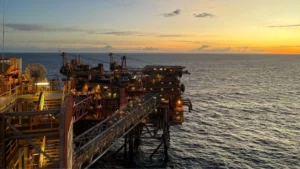
Dutch company Strohm, specializing in thermoplastic composite pipes (TCP), has won its first contract in Egypt to supply a subsea flow line for one of the West Delta Deep Marine (WDDM) projects, operated by Burullus Gas Company off the country’s Mediterranean coast.
The contract involves the supply of a 2,000-meter-long TCP pipeline to be installed in deep water as a replacement for an existing steel pipeline. This award marks the company’s official entry into the Egyptian energy market and expands the presence of this technology in offshore projects in the region.
A TCP solution for deep-water operations
The flow line is made of carbon fiber and PA12 polymer and has a design pressure of 5,000 psi. It also complies with the DNV-ST-F119 standard used for high-performance subsea applications.
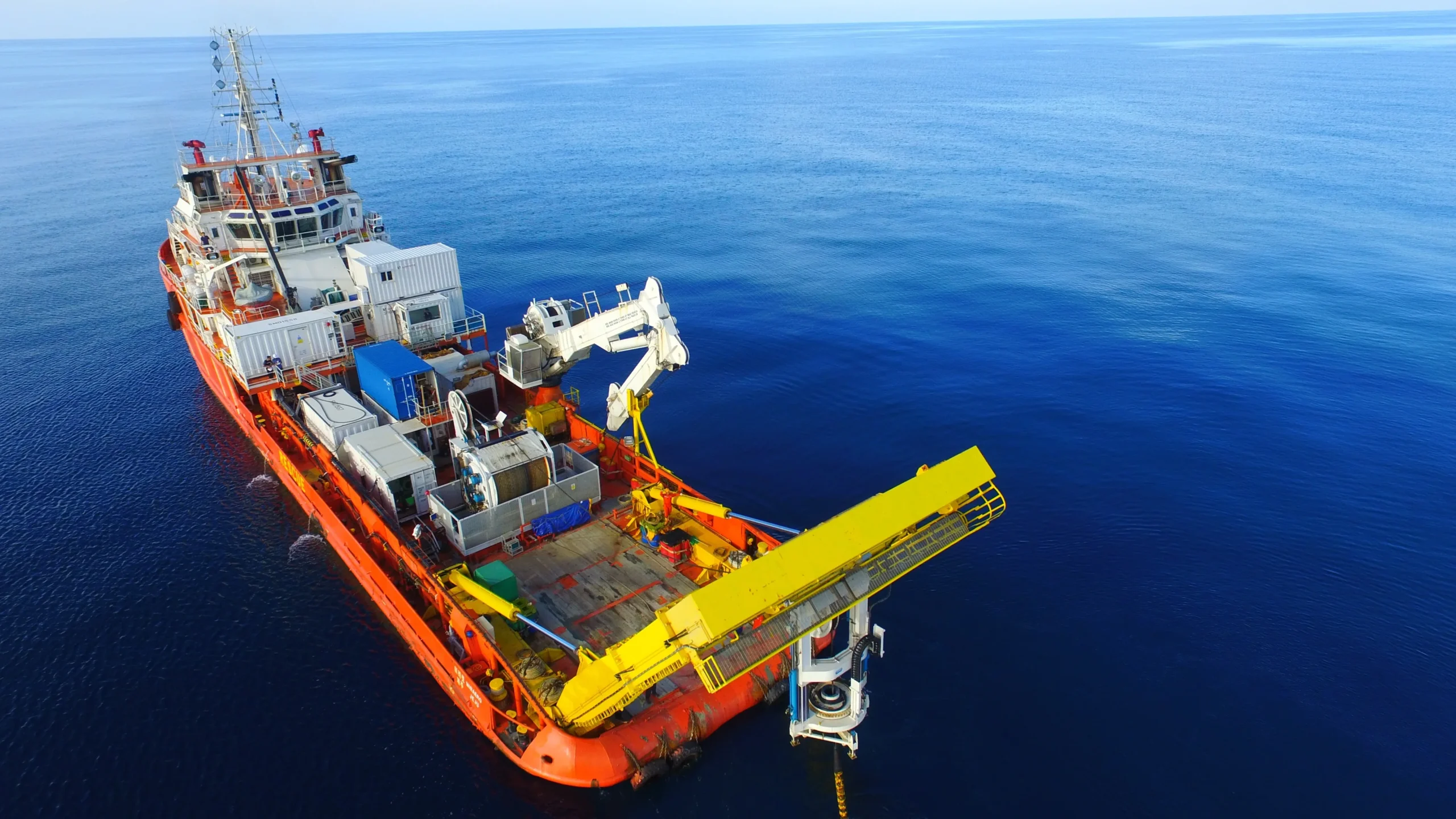
The installation will be carried out by Oceaneering International at depths of approximately 600 meters. According to project details, the pipeline will be deployed using the horizontal laying method, a technique that allows the use of multipurpose vessels and reduces reliance on specialized ships.
According to available information, this will be the first application of a TCP solution of this kind in the region.
Cost reduction and greater operational flexibility
Thermoplastic composite pipes have gained relevance in the offshore sector due to their lower weight and ease of transport compared to conventional steel alternatives.
Thanks to these features, operators can simplify logistical activities and reduce the time associated with underwater installation. Likewise, the system’s flexibility allows for optimized project planning and improved efficiency during construction.
The technology also offers corrosion resistance, an aspect especially valued in marine environments where operating conditions can affect the lifespan of conventional assets.
Strohm strengthens its presence in the African energy market
Norman Lentsch, Strohm’s business development manager for Africa, highlighted that the contract represents an important step for the company as it enters the Egyptian market for the first time.
The executive noted that the collaboration with Burullus Gas Company and Oceaneering International will support the growth of the region’s energy infrastructure through pipeline solutions designed to offer performance and reliability in offshore applications.
Furthermore, he indicated that this project reflects the operators’ confidence in TCP technology and the experience accumulated by the company in underwater installations around the world.
Oceaneering will bring expertise in flexible facilities
Chris Dyer, senior vice president of Oceaneering’s Offshore Projects Group, stated that the company has extensive experience in installing flexible products, including TCP pipes.
He explained that leveraging their global capabilities for the installation of underwater systems will optimize resources and contribute to a more efficient execution of the project in terms of both costs and deadlines.
Technology geared towards durability and sustainability
Strohm is recognized as one of the most experienced companies in the manufacture of thermoplastic composite pipes for energy applications. The company maintains that this technology provides a robust and corrosion-free alternative for subsea infrastructure.
In addition to operational benefits, the use of TCP can help reduce the carbon footprint associated with the development and maintenance of offshore assets, an aspect that is becoming increasingly relevant within the sustainability strategies of the energy sector.
Source: Strohm
Photo: Shutterstock