Table of Contents
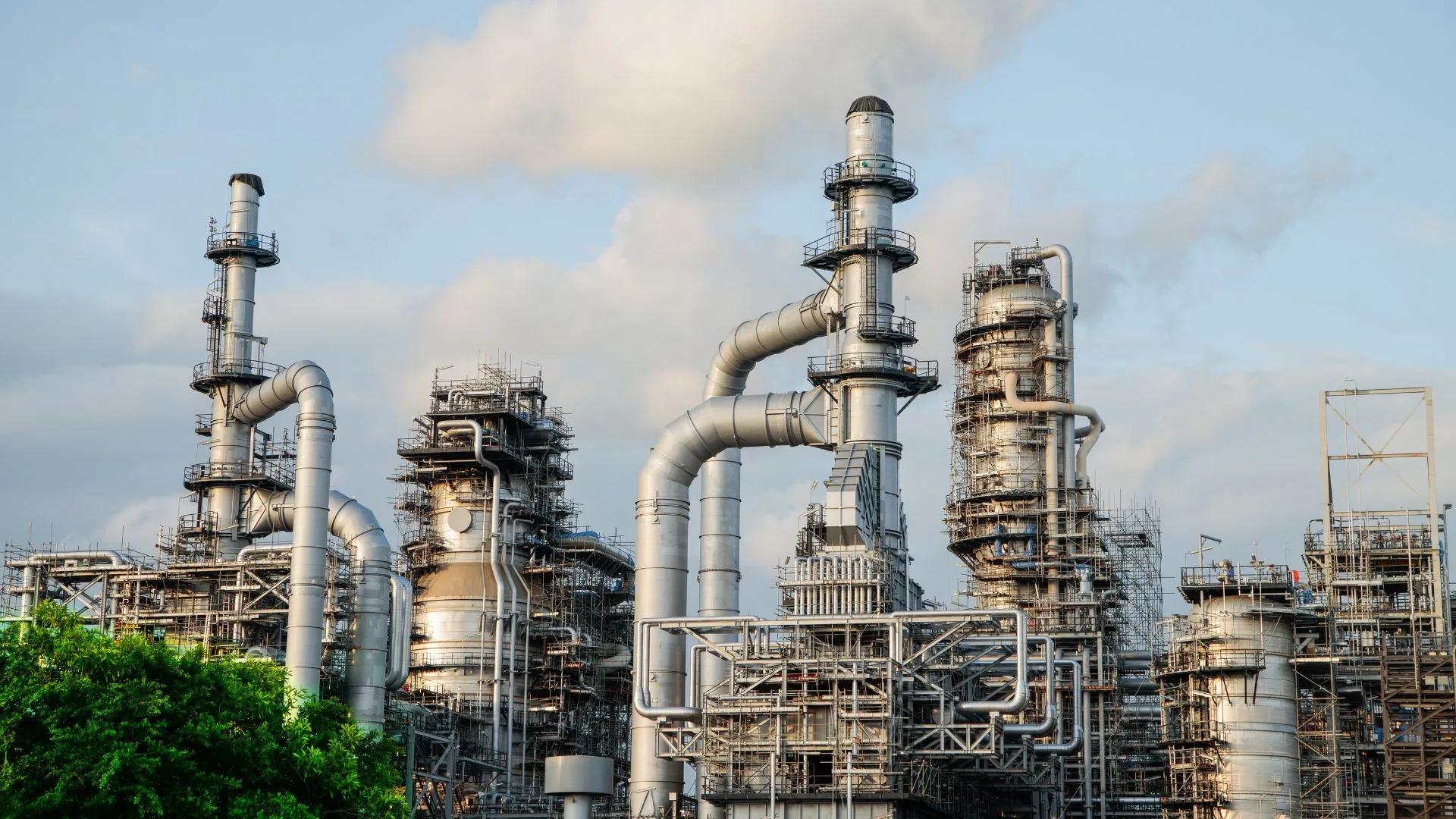
Industrial electric heater it is the technology that Shell, Schneider Electric and Axens installed in Germany to reduce direct emissions associated with refining processes, the equipment is part of the R3 base oils project being developed at the Shell Rheinland Energy and Chemical Park.
First industrial electric heater of its kind in Europe
Shell, Schneider Electric and Axens completed the installation of the equipment at the R3 base oils project of the Energy and Chemical Park of Shell Rheinland in Germany, the installation represents the first industrial-scale application of its kind in Europe. Its aim is to electrify a process that traditionally relies on combustion heaters within refining operations, the system is designed to operate without the direct CO₂ and NOx emissions associated with conventional heating, with this technology, Shell seeks to reduce Rheinland’s carbon footprint while advancing the transformation of this industrial complex.
Shell Rheinland electrifies the heating of the R3 project
The new equipment is intended for the R3 base oils project that Shell is developing in Rheinland, in this type of facility, having a precise heat supply is essential to maintain the required conditions during distillation. For this purpose, the project uses the Electric Tubular Radiant Heater technology from Heurtey Petrochem Solutions, belonging to Axens. The electric tubular heater replaces conventional heat generation by combustion with the use of electrical energy.
In this way, industrial electrification makes it possible to eliminate direct emissions at the point of operation CO₂ and NOx that a conventional heater would generate, the project is part of Shell’s plans to convert its operations in Rheinland and progressively reduce the complex’s carbon footprint.
Schneider Electric integrates the electrical infrastructure
Schneider Electric supplied the necessary infrastructure to power and control the industrial electric heater, the solution uses a modular, prefabricated design that integrates electrical distribution equipment, transformers, and a power control system. This system communicates directly with the process control system developed by Axens.
All components were integrated into Shell Rheinland’s existing infrastructure, the configuration aims to ensure safe and reliable operation, as well as adapt to the complex’s electrical and operational requirements.
Axens provides the technology for the distillation of base oils
Meanwhile, Axens contributes the process technology and technical expertise associated with the electric tubular heater. The system was designed to meet the thermal demands of base oil distillation. This is a key aspect, since electrifying a large-scale industrial process requires precise control of both the energy supplied and the operating temperature.
The integration of electrical and process systems allows for rapid power modulation and heating adjustments to meet plant needs. Furthermore, the solution must comply with the power quality and design criteria established by Shell for its facilities.
Electrification to reduce emissions from industrial processes
The Rheinland project demonstrates an alternative for decarbonizing industrial processes that require large amounts of heat. Instead of generating this thermal energy through direct combustion, the heater transforms electricity into the heat needed for the process. This avoids direct CO₂ and NOx emissions from the equipment itself during operation.
The project also demonstrates the importance of integrating different specialties with Shell contributes its operational expertise and industrial infrastructure, Axens incorporates process technology, and Schneider Electric provides the electrification, distribution, and control systems. This combination enables the application of electrified heating to an industrial sector directly linked to refining and base oil production.
Source: Hydrocarbon Processing
Photo: Shutterstock