Oil prices fell on Wednesday after Saudi Arabia offered additional crude cargoes to Asian buyers via ship-to-ship transfers off Oman. The move eased some market concern over potential prolonged disruptions to Saudi supply.
Brent lost $2.92, or 2.7%, to settle at $105.83 a barrel. U.S. West Texas Intermediate (WTI) fell $3.40, or 3.2%, to $102.43 a barrel.
The move reversed the direction seen in the previous session, when prices had risen by more than $3 on problems reported in Saudi oil infrastructure.
Saudi Arabia seeks an alternative outlet for its crude
Specifically, Saudi Arabia is offering higher volumes to Asian refineries via ship-to-ship transfers off the port of Sohar, Oman. This alternative helps reduce some of the impact from attacks on the East-West pipeline, infrastructure that links Saudi production to the Red Sea.
The disruption had affected loading operations in Yanbu, a strategic hub for the country’s oil exports. In addition, Riyadh had canceled some cargoes destined for European customers, increasing concern over crude availability.
According to Giovanni Staunovo, an analyst at UBS, news related to Saudi exports from the Gulf suggests fears of a broader disruption are easing.
Likewise, moving cargoes via Oman provides the market with an additional route to keep oil flowing to Asia while difficulties persist on other routes.
Strait of Hormuz traffic remains subdued
Meanwhile, maritime activity in the Strait of Hormuz remains well below recent levels. Preliminary data showed four visible vessel transits on Tuesday, versus seven the previous day.
The figure was also far below the average of 18 ships seen over the past ten days. This route’s behavior remains relevant for energy markets. Before the conflict, around one-fifth of global oil and liquefied natural gas supply passed through the strait.
However, Macquarie analysts noted that flows of crude, condensates, and refined products have remained relatively stable despite rising regional tensions.
U.S. inventories add pressure on oil
At the same time, the market received fresh signals from the United States. Data from the Energy Information Administration showed U.S. crude stocks fell by about 640,000 barrels last week.
The decline was considerably smaller than the 1.62 million barrels expected by analysts. U.S. gasoline and distillate inventories also rose. The build in refined products added pressure on oil prices by showing stocks remain elevated despite the draw in crude inventories.
Diesel prices remain under pressure
While oil retreats, the diesel market presents a different picture.
European gasoil futures, the benchmark for diesel prices, closed at record levels on Tuesday. U.S. ultra-low sulfur diesel futures also ended the session at all-time highs.
The strain reflects a combination of factors. The Middle East is a key supplier of fuels and of the crude grades suitable for producing distillates. At the same time, problems at Russian refineries have constrained another major source of supply.
Frank Walbaum, a market analyst at Naga.com, attributed diesel’s strength to a product-specific shortage that adds to elevated oil costs.
Russia, for its part, expects to maintain through the end of October the restrictions on diesel exports imposed on fuel producers, Vedomosti reported, citing unidentified sources.
The Middle East will continue to shape the oil market
Finally, traders continue to monitor the regional situation and its potential impact on export routes.
Citi believes the near-term escalation in the Middle East may continue to support oil and refined fuel prices. The bank envisions a potential reopening of the Strait of Hormuz in Q4 2026 linked to regional diplomatic efforts.
For now, greater availability of Saudi crude via Oman has reduced part of the premium tied to supply risk. However, limited traffic through Hormuz and constraints in the distillates market keep diesel as one of the main pressure points in the energy market.
Source: Gulf Business
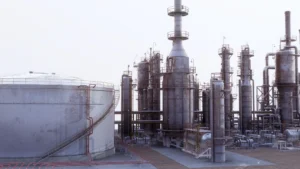
Photo: Shutterstock