Table of Contents
- Rosebank enters final phase of government assessment
- An offshore development with the capacity to produce 69,000 barrels per day
- Shell and Equinor highlight the economic impact of the project
- The project remains under review following the previous legal conflict
- Next step the ministerial decision on Rosebank
Adura, the joint venture formed by Shell y Equinor, completed a crucial stage of the regulatory process for the development of campo Rosebank in the British North Sea. The company confirmed the closure of the public consultation overseen by the regulator Offshore Petroleum Regulator for Environment and Decommissioning (OPRED), a step prior to the final decision of the UK Government.
The project, valued at approximately $11.8 billion, is now awaiting final approval from British authorities, Rosebank represents one of the country’s most significant offshore oil developments due to its scale of investment, projected production capacity, and the involvement of international energy companies.
Rosebank enters final phase of government assessment
The public consultation allowed for the collection of opinions from companies, organizations, and other stakeholders in the energy industry. Following this process, OPRED will analyze the responses received before British ministers decide whether to authorize the project’s continuation.
Adura also linked Rosebank’s progress to the development of Jackdaw gas field both projects involve combined investments of billions of pounds and are part of the debate about the future UK energy supply.
An offshore development with the capacity to produce 69,000 barrels per day
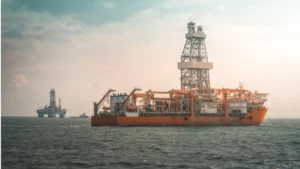
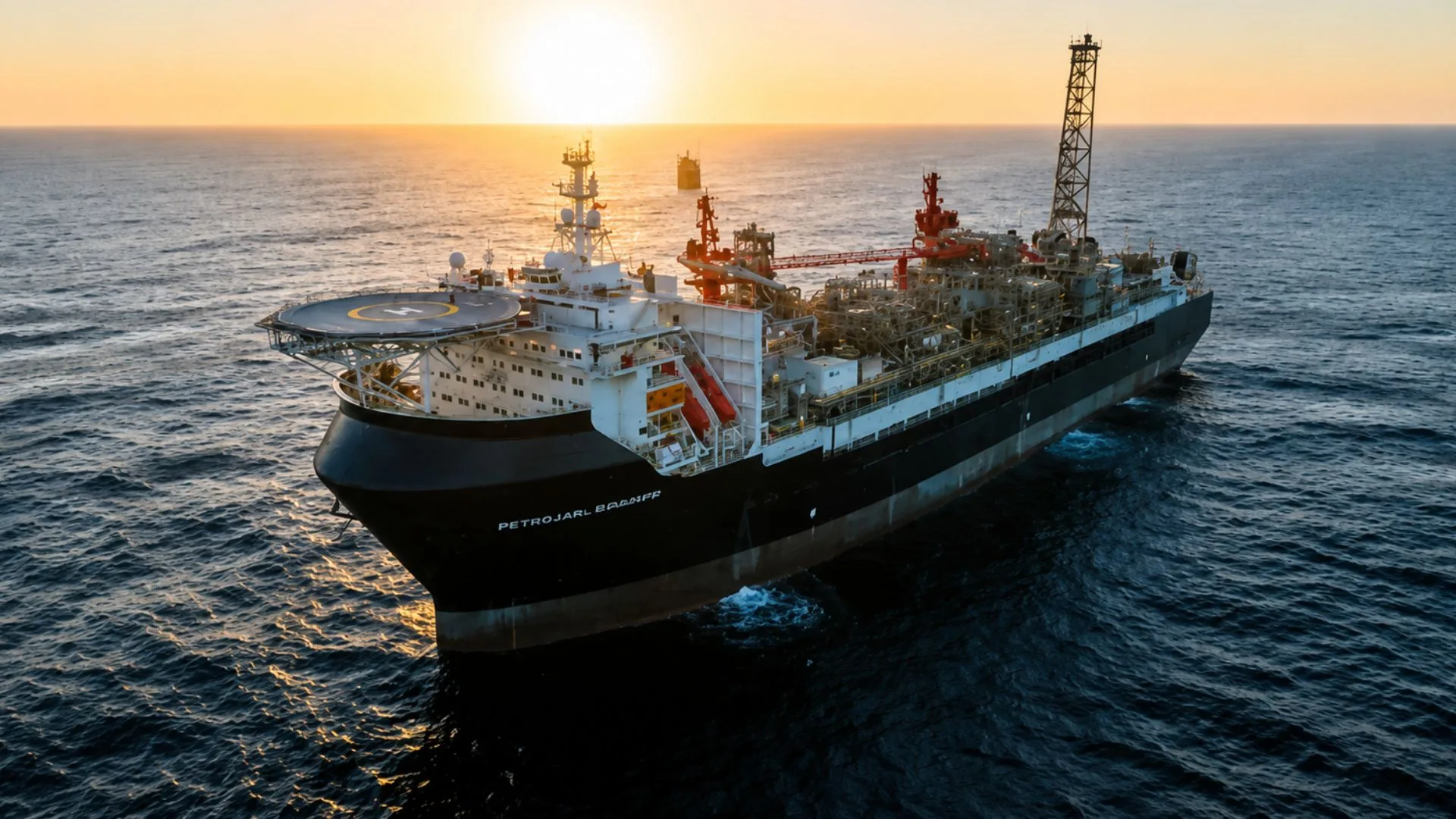
The Rosebank field is located approximately 130 kilometers northwest of the Shetland Islands, its design includes two phases of development with subsea wells connected to a floating production, storage and offloading unit (FPSO).
The facility selected for the project is the FPSO Petrojarl Rosebank, also known as Petrojarl Knarr, according to Adura’s forecasts, peak production could reach around 69,000 barrels of oil per day, equivalent to approximately 10% of the projected oil production on the UK continental shelf.
Shell and Equinor highlight the economic impact of the project
Adura argues that Rosebank will have significant economic effects through direct investment, supplier activity, and job creation during the construction and operation phases.
The company estimates that the development could generate thousands of jobs during construction and maintain skilled employment during the production phase. Furthermore, the project would contribute tax revenue and economic activity to various regions of the United Kingdom.
The project remains under review following the previous legal conflict
The current regulatory development comes after the High Court of Edinburgh the court questioned the prior approval of Rosebank and Jackdaw. It determined that the authorities had not considered the emissions associated with the end use of the extracted oil and gas. Subsequently, the approval process had to be revised to incorporate the aspects indicated by the court ruling.
Next step the ministerial decision on Rosebank
With the public consultation now complete, Adura expects to continue working with regulatory bodies as the project review progresses. The UK government’s decision will determine whether Rosebank can move to the next stages of development.
The outcome will have an impact on the UK’s energy strategy, North Sea offshore production, and supply chain activity linked to the oil and gas sector.
Source: Offshore Energy
Photo: Adura