Table of Contents
Clariant will supply its CATOFIN catalyst and HGM material to Zhejiang Petroleum & Chemical’s (ZPC) new propane dehydrogenation unit, to be built in Zhejiang Province, China, the facility will have a nominal capacity to produce 1.2 million metric tons of propylene per year using process technology developed by Lummus Technology.
Clariant will supply CATOFIN for ZPC’s PDH plant
Was selected by Zhejiang Petroleum & Chemical (ZPC) to supply the catalytic technology the catalyst will be used in a new propane dehydrogenation (PDH) plant located in Zhejiang Province, China. The unit will have a nominal capacity of 1.2 million metric tons of propylene per year. According to project data, this scale will position it as the world’s largest licensed PDH plant, to achieve this production level, Clariant will supply its CATOFIN catalyst along with Heat Generating Material (HGM), while Lummus Technology will provide the process technology to operate the unit.
CATOFIN technology to increase propylene production
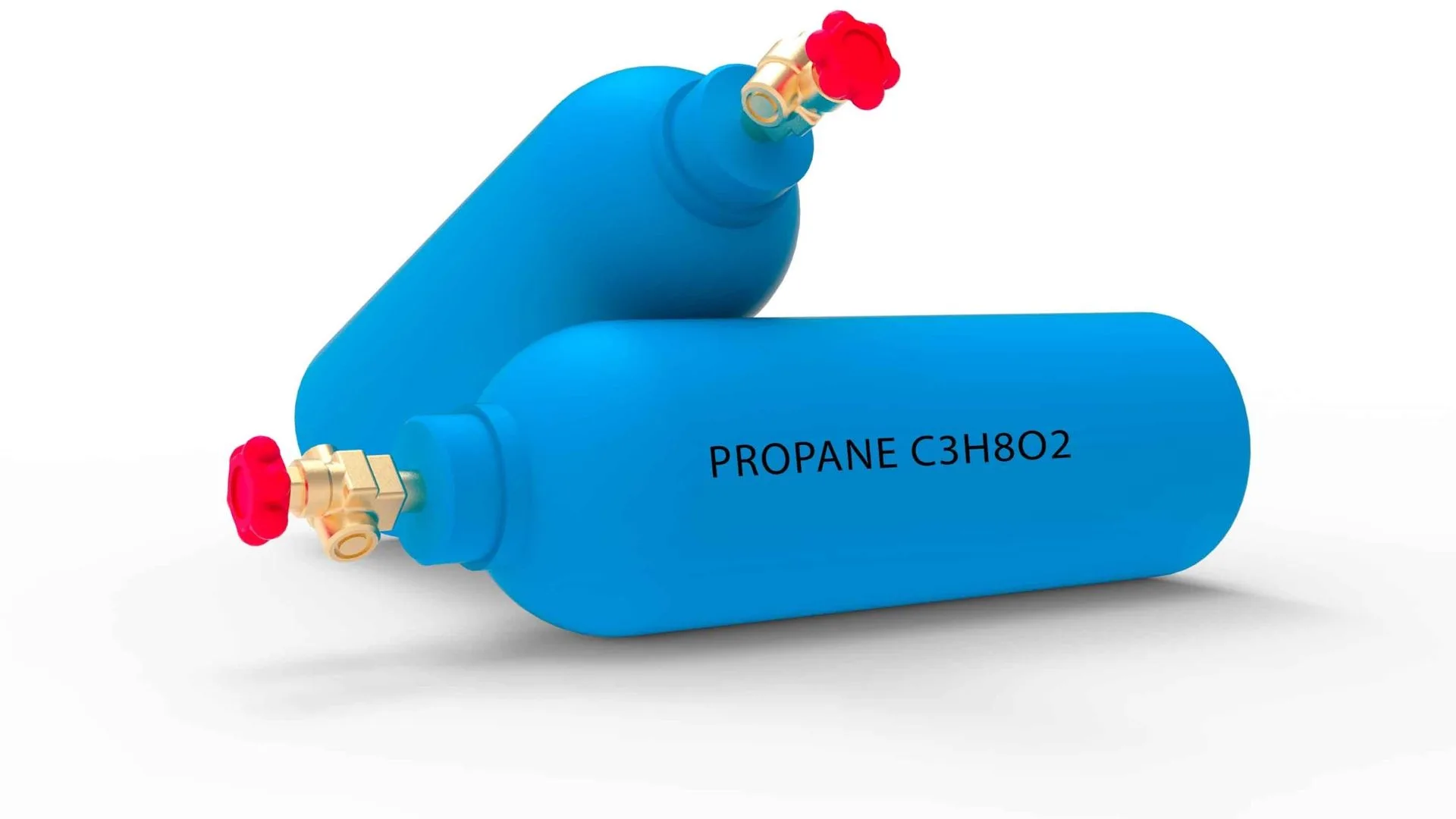
From a technical standpoint, propane dehydrogenation converts this raw material into propylene, a key compound used in numerous petrochemical production lines. Integrating the technology developed by Lummus with the catalytic materials supplied by Clariant aims to sustain high levels of propylene production and ensure the efficient operation of the new facility.
The scale of the project also reflects the market’s shift towards larger-capacity PDH units, driven by growing propylene demand. Since 2017, CATOFIN has been selected for more than 40 projects worldwide, ZPC will also be able to support the plant’s propane supply through expansions it is currently undertaking within its refining operations.
Propylene will supply petrochemical derivatives
Once operational, the PDH plant will produce propylene for the manufacture of higher value-added petrochemical derivatives, this configuration will allow ZPC to integrate propane conversion with other activities at its petrochemical complex, while also expanding the availability of raw materials for downstream industrial processes.
With a planned capacity of 1.2 million metric tons per year, the project ranks among the largest initiatives in the propane dehydrogenation segment. The joint venture between and Lummus also strengthens CATOFIN’s presence in facilities designed to produce large volumes of propylene, Clariant will supply its CATOFIN catalyst and HGM material to Zhejiang Petroleum & Chemical’s (ZPC) new propane dehydrogenation unit, a facility to be built in Zhejiang Province, China, with a nominal capacity to produce 1.2 million metric tons of propylene annually using process technology developed by Lummus Technology.
Clariant will supply CATOFIN for ZPC’s PDH plant
Was selected by Zhejiang Petroleum & Chemical (ZPC) to supply catalytic technology for a new propane dehydrogenation (PDH) plant in Zhejiang Province, China. The facility will have a nominal capacity of 1.2 million metric tons of propylene per year. According to project information, this scale will make it the world’s largest licensed PDH unit, to achieve this capacity, Clariant will provide its CATOFIN catalyst and Heat Generating Material (HGM), while Lummus Technology will contribute the process technology used in the unit.
CATOFIN technology to increase propylene production
In technical terms, propane dehydrogenation transforms this raw material into propylene, an essential compound for numerous petrochemical production lines, the combination of Lummus’s technology with Clariant’s catalytic materials is designed to maintain high propylene production and improve the plant’s operational efficiency.
Furthermore, the scale of the project reflects the trend towards larger capacity PDH units to meet the growing demand for propylene. CATOFIN has been selected for more than 40 projects worldwide since 2017, ZPC will also be able to support the propane supply needed for the new facility through expansions it is developing at its refining operations.
Propylene will supply petrochemical derivatives
Once operational, the PDH plant will produce propylene for the manufacture of higher value-added petrochemical derivatives, this arrangement will allow ZPC to integrate propane conversion with other activities at its petrochemical complex and expand the availability of raw materials for downstream processes, the planned capacity of 1.2 million metric tons per year places the project at a particularly high scale within the propane dehydrogenation segment, furthermore, the participation and Lummus reinforces the use of CATOFIN in facilities designed to produce large volumes of propylene.
Source: OGN
Photo: Shutterstock