Table of Contents
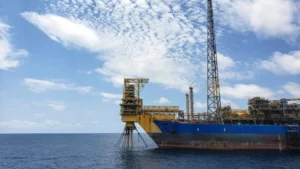
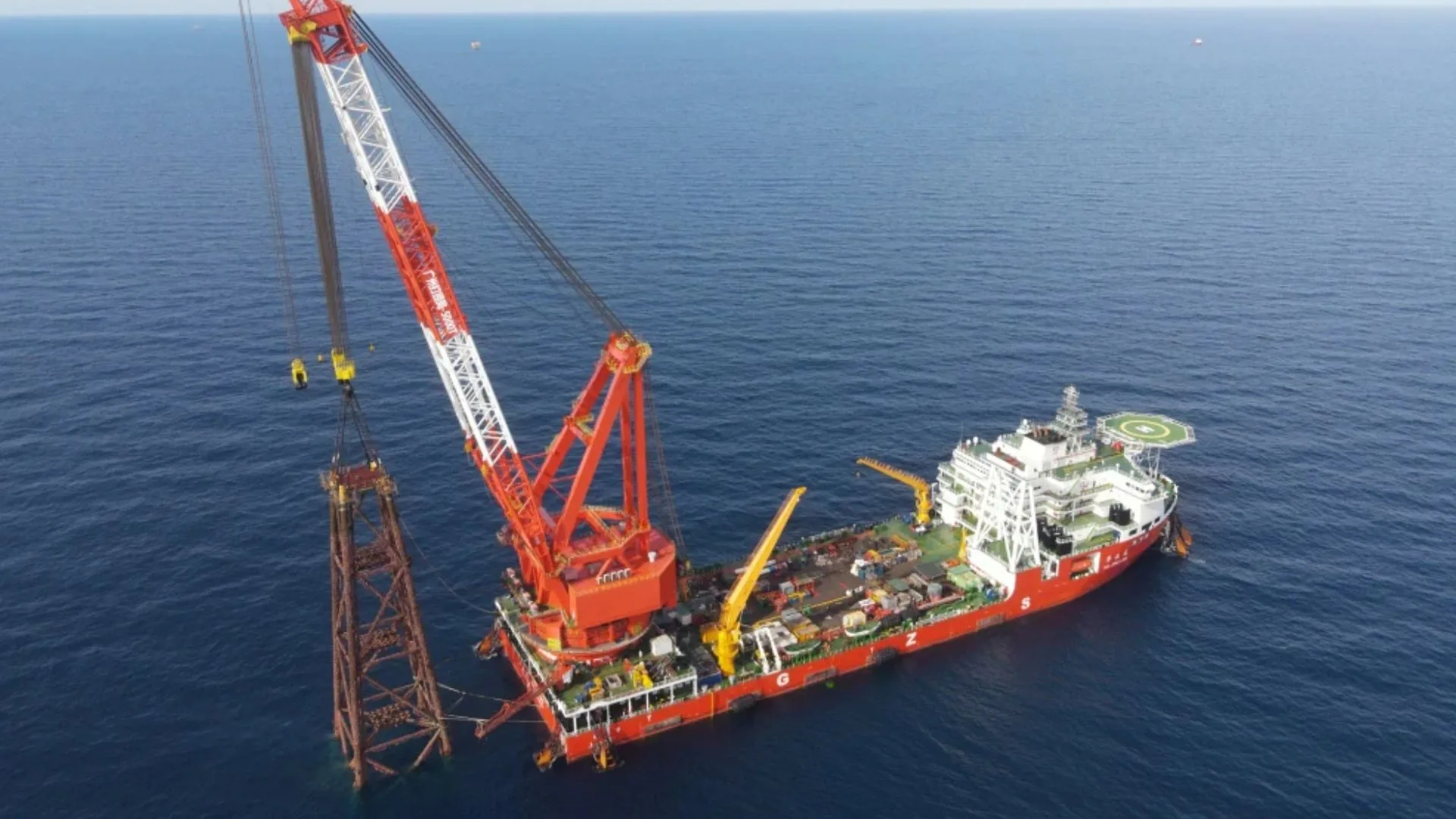
The company PTT Exploration and Production Public (PTTEP) has completed the first comprehensive wellhead platform reuse project in Thailand. This initiative was executed on the Jakrawan K platform, located in the Funan field within Project G1/61. The process involved the relocation and reinstallation of the topside, the jacket, and selected piles to extend their operational life in the same extraction area.
For his part, the firm’s CEO, Montri Rawanchaikul, noted that infrastructures maintaining their structural and safety integrity must be utilized to maximize the value of existing assets. In this way, the corporation integrates advanced engineering with financial and operational sustainability models.
Optimization of the wellhead platform in the Funan field
Regarding efficiency indicators, the relocation of the structure reduced the construction and installation period to only six months, representing a 70% decrease compared to the twenty months required for a new installation. Additionally, this strategy decreased financial costs by between thirty-five and fifty percent compared to developing infrastructure from scratch.
Furthermore, the demonstrated technical feasibility opens the door to a methodological shift in the region’s decommissioning processes. The company seeks to transform environmental liabilities into efficient operational assets through rigorous safety analysis.
Moreover, the ecological impact of the operation reports a projected reduction of approximately 3,270 tonnes of carbon dioxide equivalent per platform. This decrease is primarily based on savings in steel, machinery, and logistical supplies that would have been necessary for the manufacturing of new components.
With the aim of mitigating effects on the local environment, engineers adopted the wet tow method to move the support structure. This specific technique reduced energy consumption and avoided substantial damage to marine life attached to the underwater piles, consolidating a viable balance between production and conservation.
Finally, the state-owned company plans to expand this program in the medium term. Between 2027 and 2029, the planning contemplates the reuse of approximately ten additional wellhead platforms that meet the relevant structural assessments.
Source and photo: PTTEP