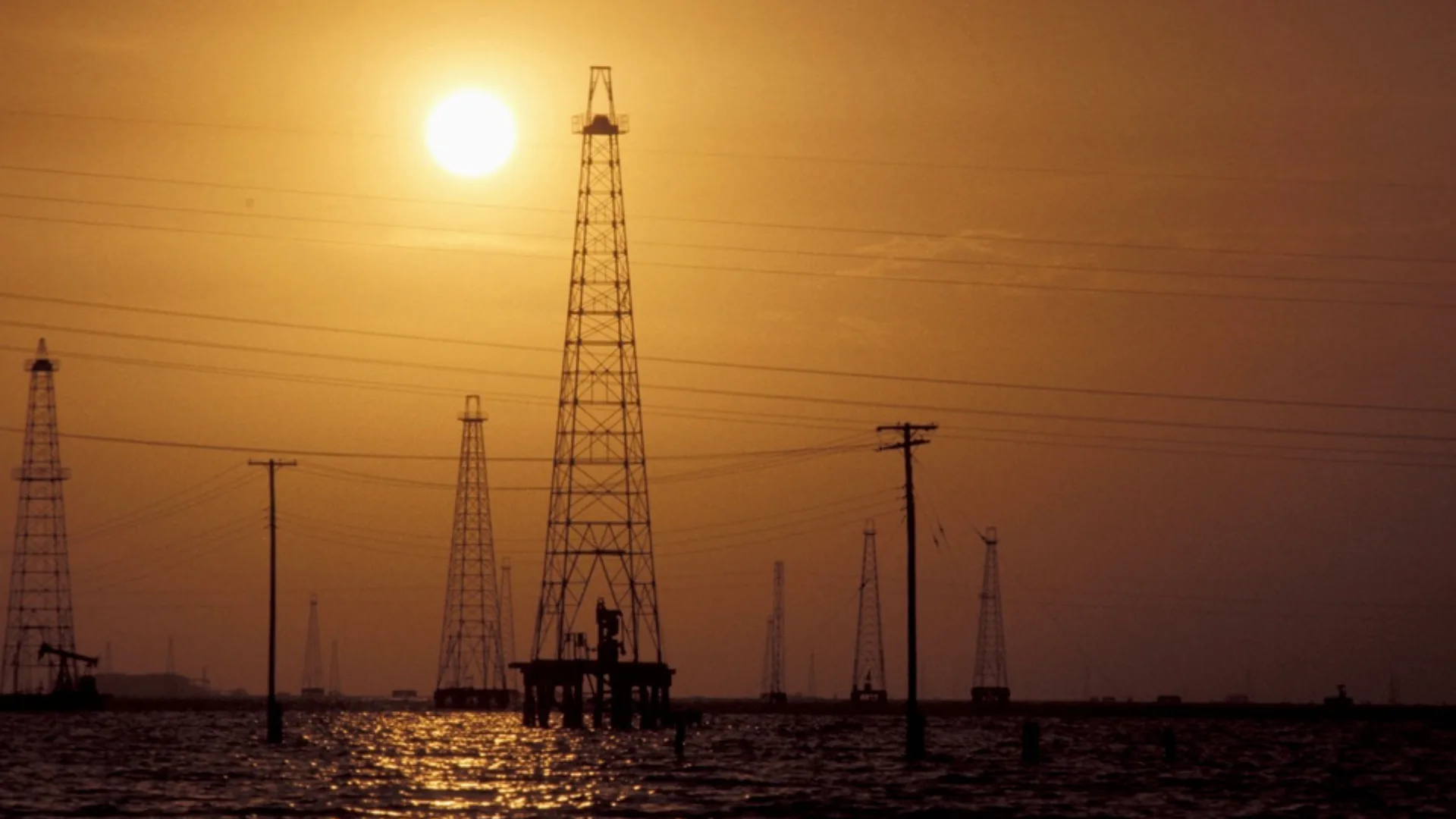
PDVSA and Repsol Venezuela signed an agreement to increase production in the Caribbean country at the Petroquiriquire joint venture, which is 60% owned by PDVSA and 40% by Repsol, located on the eastern shore of Lake Maracaibo. The agreement is covered by General License No. 50A (GL 50A) from the U.S. Department of the Treasury’s OFAC, which establishes payment mechanisms and redefines Repsol’s operational control over the asset. The signing represents a significant achievement in the recovery of the Venezuelan upstream sector after years of disinvestment and international sanctions.
Current Status and Goals of PDVSA and Repsol Venezuela with Petroquiriquire
Petroquiriquire’s current production stands between 40,000 and 45,000 barrels per day (bpd), according to Reuters and Repsol data, respectively. The new agreement sets a short-term target of a 50% increase in the next 12 months, with a more ambitious goal of tripling production within a three-year horizon. The additional crude generated by this expansion is primarily destined for the Paraguaná Refining Center, located in Falcón state.
Repsol has operated in Venezuela without interruption since 1993, which gives it a consolidated operational advantage in the country. The Spanish company emphasized that the financing for the production increase will come from revenues generated directly in Venezuela, without the need to transfer external capital to the country. This financial structure responds to the restrictions imposed by the current international regulatory framework.
Operational Control and JV Structure
Under the terms of the agreement, Repsol regains operational control of the Petroquiriquire asset, strengthening its position in technical and strategic decision-making within the joint venture. The original Framework Agreement was signed in 2023, amended in 2024, and the new progress registered in June 2026 consolidates the commitments of both parties. Francisco Gea, Repsol’s Executive Director of Exploration and Production, stated: “This agreement underscores Repsol’s commitment to Venezuela, where we have operated without interruption since 1993. We have the assets and the technical, operational, and human capabilities on the ground to increase our production in the country.”
The JV structure, with PDVSA holding operational majority, has allowed for the continuity of the fields even during the most complex periods of sanctions. This agreement formalizes the governance and financing mechanisms that had remained under negotiation since 2023. Repsol’s regaining of operational control represents a positive signal for other international operators with assets in Venezuela.
Sanctions, Licenses, and Sector Opening
Following the capture of President Nicolás Maduro in January, Washington relaxed sanctions on the Venezuelan energy sector, creating a regulatory space for international companies to deepen their operations in the country. In this context, OFAC issued GL 50A, authorizing Repsol and its subsidiaries to operate with the Venezuelan government, PDVSA, and affiliated entities. The license recognizes Repsol’s track record as a responsible operator in Venezuela and establishes specific conditions for resource transfers.
Hector Obregon, a PDVSA representative, noted that the agreement opens “exploration possibilities” on the eastern shore of Lake Maracaibo, which would significantly expand the area’s productive potential. Last month, Repsol and Eni signed another strategic agreement to ensure the continuity of gas production in Cardón IV during 2026, demonstrating a pattern of alliance reactivation in the Venezuelan energy sector. Both agreements shape a scenario of gradual reintegration of Venezuela into international energy markets.
Implications for the Venezuelan Upstream Sector
The potential increase of an additional 20,000 bpd of light crude is relevant for optimizing the refining capacity of the Paraguaná Center, which has historically operated below its installed capacity. The reactivation of Petroquiriquire will also boost demand for specialized services in the sector, including those related to mechanical integrity of facilities, technical inspection, and advanced maintenance. These services are critical to ensuring the safe and efficient operation of the fields as production increases.
The agreement marks a milestone in the recovery of the Venezuelan upstream sector, which has accumulated years of accelerated disinvestment, technical talent drain, and infrastructure deterioration. In terms of regional energy security, the reactivation of Petroquiriquire contributes to stabilizing the supply of light crude for refining in the Caribbean. The success of this model could be replicated in other Venezuelan blocks where international operators maintain suspended stakes.
The PDVSA Repsol Venezuela production agreement in Petroquiriquire represents a milestone in the recovery of the Venezuelan upstream sector.
The recovery of PDVSA Repsol Venezuela production in fields like Petroquiriquire is key to the country’s energy strategy.
Analysts highlight that the PDVSA Repsol Venezuela production agreement could be replicated in other blocks of Lake Maracaibo, expanding the impact of the joint venture model.
With the signing of this agreement, PDVSA Repsol Venezuela production enters a new stage of optimization and expansion under OFAC’s GL 50A license.
Sources:
Reuters – Venezuela’s PDVSA and Repsol sign deal for oil and gas production
Repsol – Repsol agrees on conditions to increase oil production in Venezuela
OFAC / U.S. Department of the Treasury – ofac.treasury.gov
S&P Global Commodity Insights – spglobal.com/commodityinsights
Photo: Shutterstock