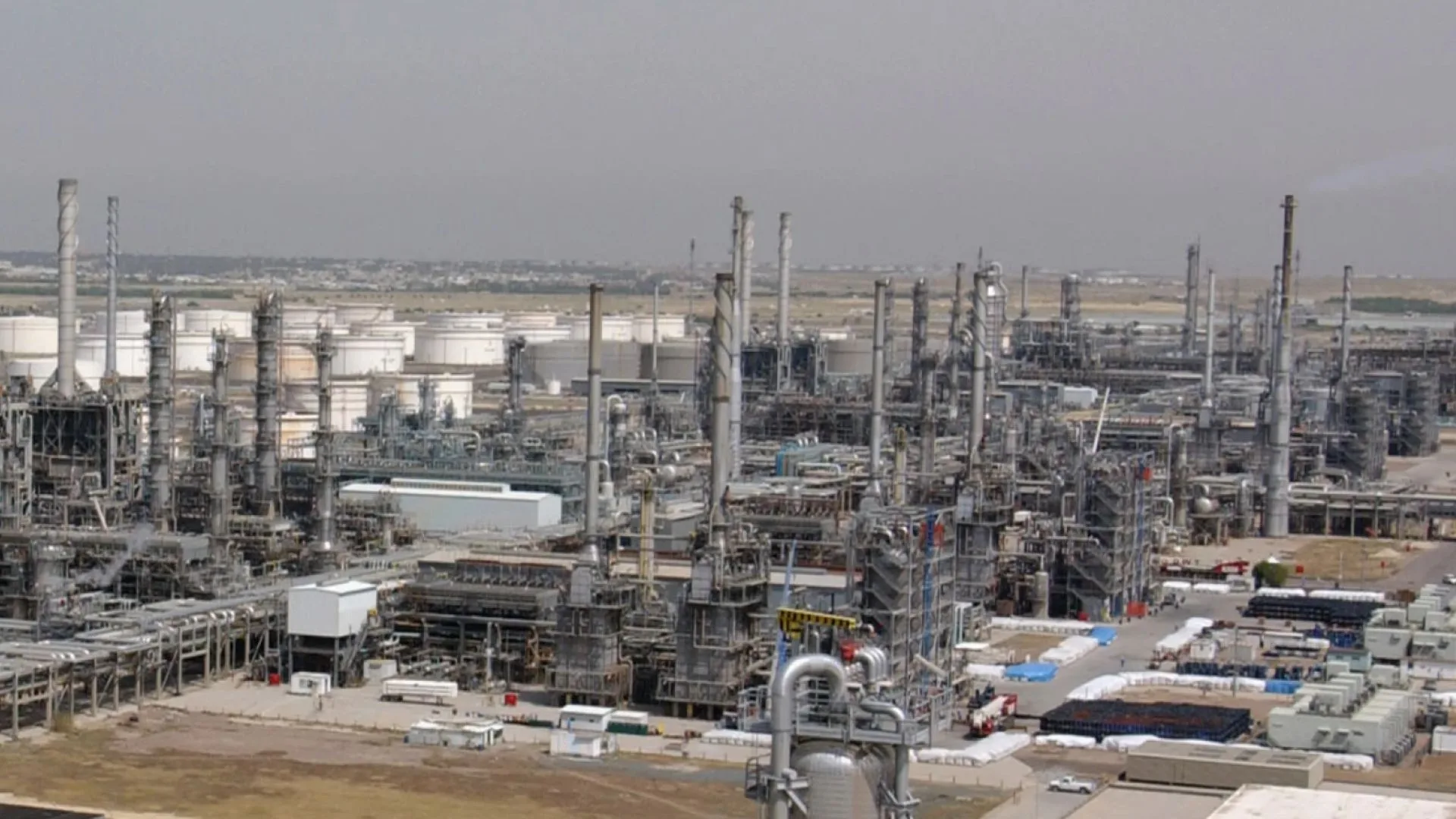
The Organization of the Petroleum Exporting Countries and its allies decided to implement a monthly increase in their extraction quotas as oil production. A group of seven nations belonging to the coalition agreed to add a total of 188,000 barrels per day starting in August. This measure represents the fifth consecutive upward adjustment, designed to respond to the recent moderation in crude oil prices, which have returned to levels prior to the escalation of military tensions in the Middle East.
The Gradual Adjustment of Oil Production in the Global Market
Regarding the participants, the measure directly involves the governments of Saudi Arabia, Russia, Iraq, Kuwait, Kazakhstan, Algeria, and Oman. Through a joint statement, the members of OPEC+ indicated that they will maintain constant oversight of the evolution of global demand. Likewise, they reaffirmed that prudence will guide future operational decisions with the purpose of preserving the financial equilibrium of the energy sector.
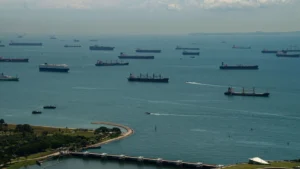
For its part, the downward trend in international prices coincides with diplomatic advances between the United States and Iran. The establishment of a provisional memorandum of understanding allowed the suspension of the naval blockade on Iranian terminals. This agreement facilitated the resumption of commercial vessel transit through the Strait of Hormuz, one of the main energy distribution arteries on an international scale.
The Impact of Logistical Unblocking in the Strait of Hormuz
The flow of shipments in the region still remains below the averages recorded prior to the armed conflict. Tehran’s military authorities recently indicated that tanker vessels must strictly adhere to authorized corridors to avoid deterrent responses. In this manner, logistics operators and investors maintain a cautious stance regarding possible operational risks in the maritime transit area.
Additionally, Brent crude traded below $72 per barrel following the latest trading sessions in commodity markets. This figure contrasts with the peaks observed in March of this year, when the supply disruption drove the hydrocarbon price to nearly $120 per barrel. The current stabilization responds to the combination of lower demand from primary importing economies and the coordinated release of international strategic reserves.
Finally, sector analyst firms estimate a prolonged normalization process for the extraction infrastructures of the Persian Gulf. Assessments by organizations such as S&P Global Energy project that the full recovery of the region’s productive capacity will not be consolidated before the first quarter of 2027. Consequently, specialists suggest that global energy and consumer goods costs will maintain latent pressures during upcoming commercial periods.
Source and photo: APNews