AsInt accelerates the implementation of asset integrity
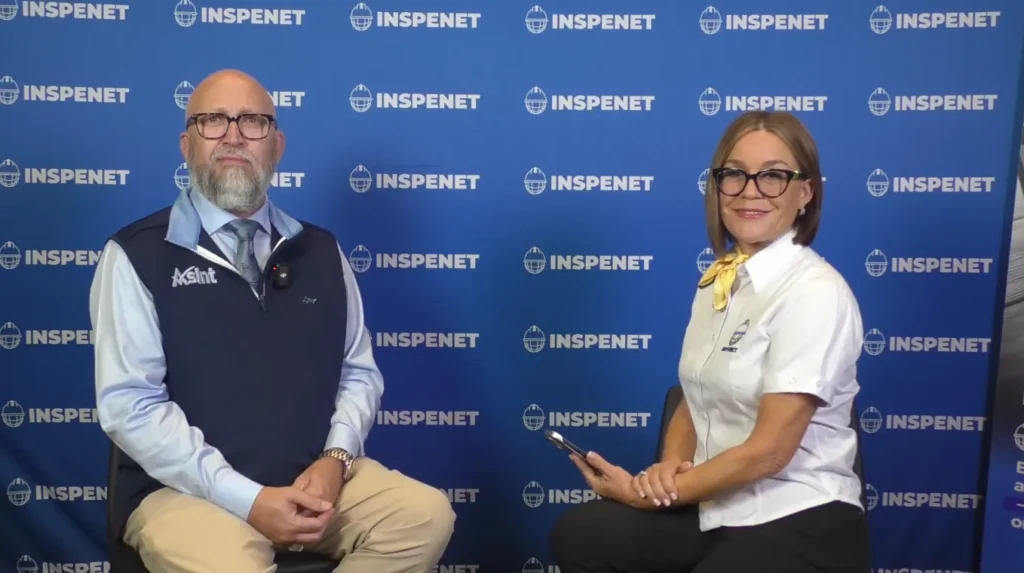
During API Summit 2026, Michael Warren, Founder and CEO of AsInt , shared the company's vision on one of the most common challenges facing industrial organizations: maintaining the effectiveness of asset integrity programs once digital tools are introduced into operations.
The executive explained that many companies invest in technology platforms to optimize asset management , strengthen reliability, and facilitate regulatory compliance. However, implementation often takes months or even years, causing some of the initial knowledge to be lost and the project to lose momentum before reaching its full potential.
Faced with this scenario, AsInt has developed a proposal based on reducing the transition period between software acquisition and its effective use. The company believes that a more agile implementation allows teams to begin generating value from the early stages of the project and prevents programs from losing consistency over time.
The challenge of "ownership decay" in Asset Integrity programs
One of the concepts that Michael Warren highlighted during the interview was the so-called "ownership decay ," an expression used to describe the progressive loss of responsibility and oversight of a program once it becomes operational.
As he explained, it's common for the people who spearheaded the purchase of a technology solution to change positions, leave the organization, or cease actively participating in the project. As a result, the accumulated knowledge becomes dispersed, and program maintenance becomes more complex.
This situation can directly affect the quality of available information, the updating of data, and the ability of organizations to maintain consistent processes of inspection, analysis, and decision-making.
For AsInt, minimizing this deterioration involves reducing the time needed to implement the platform and making it easier for users to start working with it without lengthy adaptation periods. This way, knowledge remains within the organization and processes maintain the continuity necessary to support asset integrity management .
Traceability is gaining importance in asset management
Another key aspect of the interview was the importance of auditability.
Many companies only discover weaknesses in their processes when they receive an audit or regulatory inspection.
Michael Warren pointed this out.
At such times, it becomes essential to demonstrate what decisions were made, who approved them, when certain modifications were made, and what information supported each action. When these records do not exist or are scattered across different systems, preparing an audit can become a complex task.
AsInt's proposal involves incorporating auditability into the platform's operation from the outset. This way, every action is recorded in a structured manner and can be reviewed later when needed.
This approach facilitates the traceability of information and allows for a complete history of activities related to asset management, an aspect that is especially relevant for sectors subject to high regulatory and operational safety requirements.
A platform developed from engineering experience
Michael Warren also focused on a differentiating element of AsInt: the origin of its technology.
While many industrial solutions are developed primarily by software teams that later incorporate specific functionalities for different sectors, AsInt was born from the direct experience of engineers and consultants specializing in mechanical integrity, risk management, and asset reliability.
This approach allows the platform to respond to real-life situations that professionals encounter during project execution, equipment inspections, maintenance planning, and risk assessment.
The company believes that understanding the daily work of engineers facilitates the development of more intuitive tools adapted to the industry's usual processes.
Technology geared towards the comprehensive management of assets
In addition to accelerating implementation, AsInt develops solutions aimed at supporting different disciplines related to the management of the life cycle of industrial assets.
Their offering covers areas such as mechanical integrity, risk management, operational reliability, asset valuation, digitization of engineering processes, and the application of advanced technologies to improve decision-making.
The company combines that knowledge with digital tools designed to integrate technical information, facilitate collaboration between teams, and offer a complete view of the status of industrial assets.
This philosophy responds to an increasingly present need in sectors such as oil and gas, petrochemicals, energy and other asset-intensive industries, where the availability of reliable information is essential to plan inspections, optimize resources and reduce operational risks.
Reduce the time between decision and obtaining results
Throughout the conversation, Michael Warren emphasized that one of AsInt's main goals is to eliminate the barriers that traditionally slow down the adoption of new platforms.
When a project requires lengthy configuration processes, complex migrations, or additional development before it can be put into use, the likelihood increases that business priorities will change or some of the initial knowledge will be lost.
For this reason, the company is committed to accelerating the rollout and making it easier for technical teams to start working with the platform in a significantly shorter period.
This strategy allows the project's initial momentum to be maintained and helps the organization achieve results more quickly without compromising the quality of the information.
A vision focused on the continuity of programs
The interview made it clear that AsInt's objective goes beyond software development ; the company seeks to ensure that asset integrity programs maintain their effectiveness throughout their lifecycle , regardless of organizational changes that may occur over time.
To achieve this, the company combines engineering expertise with digital capabilities aimed at preserving knowledge, improving information traceability, and facilitating audit preparation.
From Michael Warren's perspective, the true strength of a platform lies not only in the functionalities it incorporates, but in its ability to support organizations for years without the program losing consistency, visibility, or control.
With this approach, AsInt presents a proposal focused on responding to some of the most relevant challenges currently facing the industry: accelerating the implementation of digital solutions, maintaining the continuity of asset integrity programs, and providing the necessary auditability to operate with greater confidence in increasingly demanding environments.
For more content about API Summit 2026 , visit our LinkedIn profile .
Source: Inspenet .