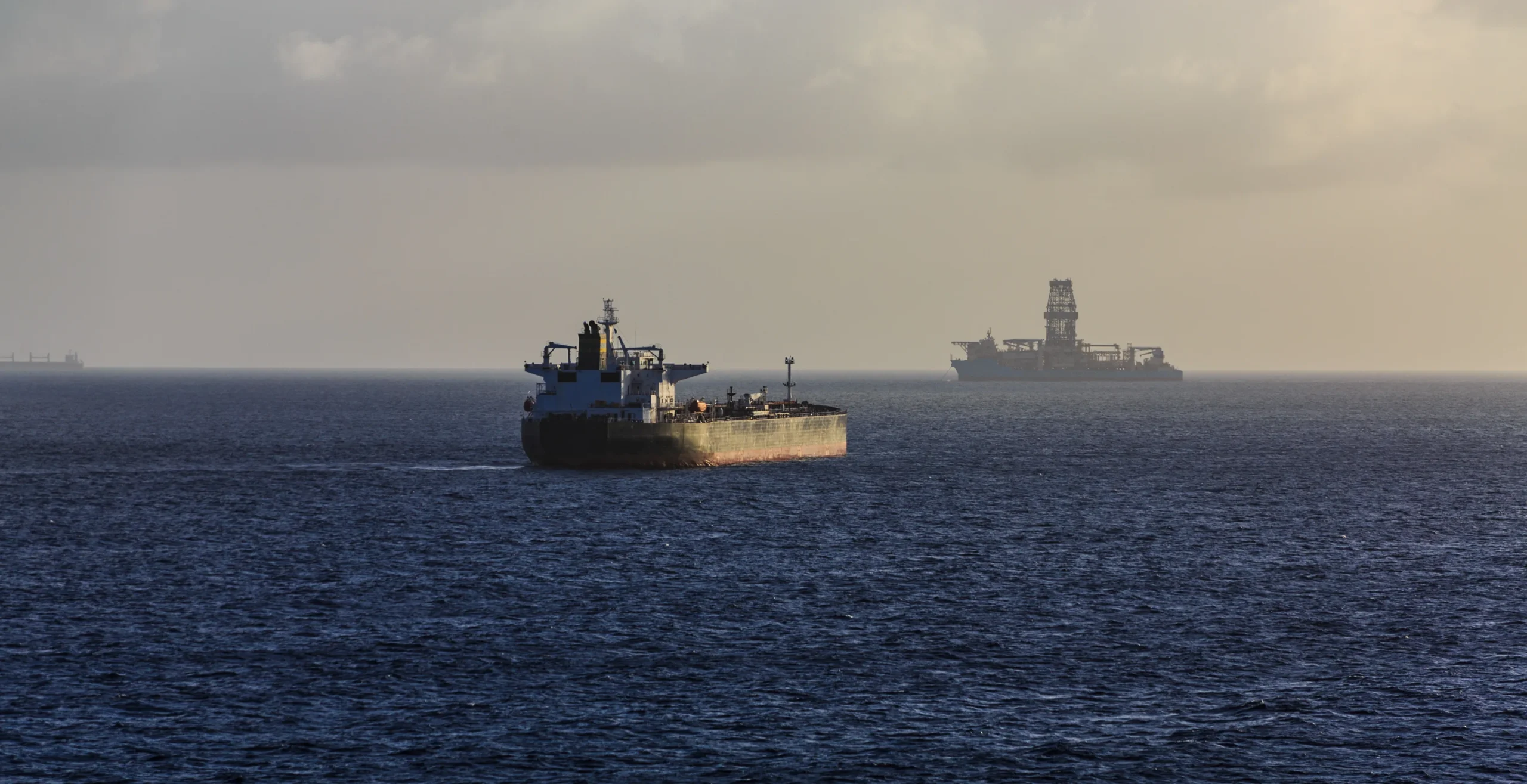
Oil prices surged at the start of the week after tensions between the United States and Iran escalated around the Strait of Hormuz. The prospect of further disruptions to one of the world’s main crude oil trade routes raised risk perceptions among market participants.
Oil prices rise as the Strait of Hormuz returns to focus
According to analyses published by Saxo Bank, the escalation of military actions over the weekend increased uncertainty regarding the safety of maritime traffic through the Strait of Hormuz. This waterway handles a significant portion of global oil and gas exports, so any threat to its operation is typically reflected quickly in the price of Brent and WTI crude.
Likewise, the International Energy Agency warned that a prolonged scenario of hostilities could affect efforts to restore global oil inventories and reduce the chances of a diplomatic solution.
The market incorporates a higher risk premium
Although the physical crude oil market continues to show relatively stable conditions, analysts believe that geopolitical risk is being gradually incorporated into prices.
Saxo Bank indicated that the spread between short-term and long-term contracts remains moderate, a sign that immediate supply is still largely unaffected. However, the bank noted that refined fuels are under additional pressure due to recent restrictions on Russian diesel exports.
Analysts are monitoring the global supply
GivTrade specialists indicated that the evolution of Brent and WTI will depend on the impact that tensions may have on tankers, ports and energy infrastructure in the region.
Similarly, Capital.com indicated that the market reaction is primarily due to increased risk to maritime transport and uncertainty regarding the future of the Strait of Hormuz. Analysts agree that progress in negotiations could quickly reduce some of the risk premium embedded in the price of oil.
The United States and Iran maintain opposing positions
The United States Central Command reported on new military operations targeting Iranian air defense systems, coastal radars, and missile and drone capabilities with the goal of protecting international shipping.
For their part, Iranian authorities reiterated that any agreement related to transit through the strait will depend on political and economic commitments with Washington, while maintaining a firm stance against US operations.
The evolution of the conflict will continue to shape the market.
As long as uncertainty persists regarding the Strait of Hormuz, traders will continue to assess the balance between global oil supply and the risk of logistical disruptions. The evolution of military actions and diplomatic efforts will be crucial in determining the direction of crude oil prices in the coming weeks.
Source: Rigzone
Photo: Shutterstock