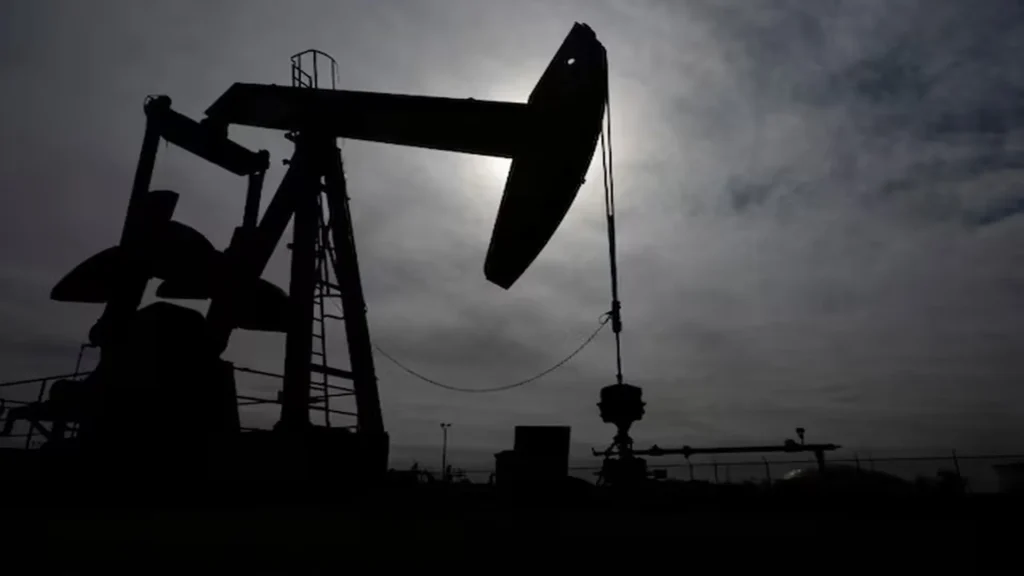
Oil prices fell on Tuesday after US President Donald Trump announced the temporary suspension of a planned military attack on Iran to make room for new diplomatic negotiations in the Middle East.
The market reacted immediately to the possibility of a de-escalation of the conflict, reducing some of the pressure that had built up on the global supply of crude oil in recent weeks.
At midday, Brent crude futures for July delivery were down 1% at $110.97 a barrel, while West Texas Intermediate (WTI) for June delivery was down 0.3% at $108.38. The most active WTI contract for July was also showing losses of around 0.6%.
The oil market continues to watch the Middle East
Trump announced on social media that he had decided to temporarily halt a military operation scheduled for Tuesday while talks with Tehran continue. He also warned that the United States retains the capability to resume military action if an agreement is not reached.
The news partially reduced investor nervousness, although analysts believe the market continues to operate under high volatility due to geopolitical uncertainty.
Ole Hansen, an analyst at Saxo Bank, explained that oil continues to react to every development in the conflict. According to the specialist, there are still no clear signs of a definitive solution that would mark the end of the war in the region.
During the previous session, both Brent and WTI had reached their highest levels since early May, driven by fears of prolonged disruptions to the global energy supply.
The Strait of Hormuz puts pressure on oil prices
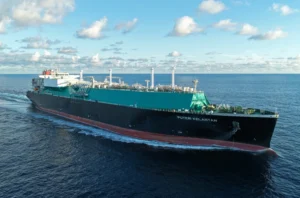
One of the main factors of concern continues to be the Strait of Hormuz, a crucial maritime corridor for international trade in oil and liquefied natural gas.
The International Energy Agency estimates that about one-fifth of the world’s oil supply normally transits this route. The conflict in the Middle East has significantly affected maritime traffic in the region and increased the risk of disruptions to energy exports.
Iranian authorities have also reportedly presented a new peace proposal to Washington that includes a cessation of hostilities on several regional fronts, including Lebanon, as well as the withdrawal of US forces from areas near Iran.
United States eases restrictions on Russian oil purchases.
Meanwhile, US Treasury Secretary Scott Bessent extended for 30 days a sanctions waiver that will allow several countries considered vulnerable to continue purchasing Russian oil transported by sea.
The decision seeks to avoid additional pressure on the international energy market at a time marked by logistical constraints and geopolitical tensions.
The U.S. Department of Energy also reported that 9.9 million barrels were released from the Strategic Petroleum Reserve last week. Stockpiles fell to approximately 374 million barrels, the lowest level since July 2014.
Investors are also awaiting the next crude oil inventory data from the Energy Information Administration, which could show a drop of close to 3.4 million barrels in the last week.
Source and photo: Reuters