OPAL Fuels and GFL Environmental continue to expand their presence in the renewable natural gas (RNG) market with the progress of construction on two new facilities located in Alabama and Georgia. These projects are part of a joint strategy aimed at increasing the production of low-carbon fuels for the heavy-duty transportation sector.
The new plants will be located at the Stones Throw landfill in Tallapoosa County, Alabama, and the Grady Road landfill in Polk County, Georgia. Both facilities are jointly owned by OPAL Fuels and GFL Environmental in equal parts.
New facilities to expand GNR production
The two projects will have a design capacity of close to 2 million MMBTU. Once operational, they will allow the transformation of methane generated by the natural decomposition of organic waste into renewable natural gas, a fuel increasingly used as an alternative to diesel in transportation applications.
In addition to increasing production capacity, the facilities will strengthen OPAL Fuels’ supply chain, which will be responsible for marketing and distributing all production through its network of compressed natural gas and renewable natural gas refueling stations.
Impulso a la descarbonización del transporte pesado
The companies estimate that the fuel generated by these plants will be able to supply approximately 800 Class 8 tractor-trailer trucks. This segment of transportation represents one of the biggest challenges for emissions reduction due to its high dependence on fossil fuels.
Furthermore, the use of natural gas offers economic advantages over diesel in certain markets and helps reduce emissions associated with freight transport. The availability of new natural gas engine technologies and the evolving regulatory framework are also encouraging the adoption of this type of fuel.
Methane capture and energy recovery from waste
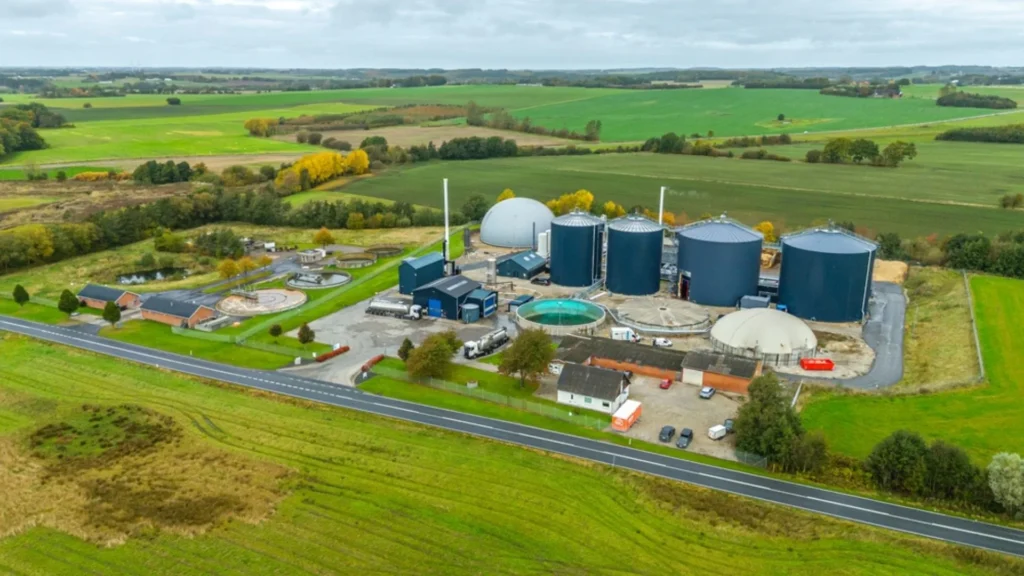
The projects will use biogas capture and processing technology to recover methane generated at landfills. This gas will then be treated and converted into renewable natural gas suitable for transportation applications.
This model allows for the transformation of a potential source of greenhouse gas emissions into a usable energy resource. It also contributes to the sustainability goals of both companies by recovering energy from waste and reducing the environmental impact of landfills.
Growth strategy for OPAL Fuels and GFL Environmental
The expansion of these facilities reinforces OPAL Fuels’ growth strategy based on the vertical integration of renewable fuel production, distribution, and marketing. For the company, combining production assets with its own supply network represents an opportunity to strengthen its margins and expand its presence in the North American market.
Meanwhile, GFL Environmental continues to develop projects that utilize the energy resources generated at its waste management facilities. The company believes these investments can contribute to both its environmental goals and the generation of stable, long-term revenue.
With the construction of these new plants, both companies are reinforcing their commitment to renewable natural gas as an alternative to promote the energy transition in heavy transport and to harness the energy potential of municipal solid waste.
Source: Prnewswire
Photo: Shutterstock