Table of Contents
The offshore strike in Norway is increasing pressure on well service operations and subsea activities in the North Sea, following the expansion of the labor dispute between specialized workers and some of the energy sector’s leading provider companies. The standoff threatens to extend operational disruptions in a strategic region for European oil and gas production, generating concern over potential delays in projects, well interventions, and offshore maintenance activities.
As the conflict enters a new phase, operators, contractors, and service companies are closely monitoring its potential impact on operational continuity and the stability of the Norwegian energy supply chain.
The offshore strike in Norway enters a more critical phase
The labor dispute affecting well service workers continues to intensify after negotiations for a new collective agreement failed to reach definitive results. The dispute involves hundreds of specialized employees participating in essential activities for drilling, well intervention, and maintenance on the Norwegian Continental Shelf.
The situation has evolved from a limited strike toward a scenario of greater confrontation, increasing uncertainty for companies that rely on these services to maintain their operational and development programs.
Energy companies respond with extraordinary measures
Given the lack of progress in negotiations, several companies linked to the oil services sector have adopted legal measures aimed at managing the conflict and reducing the uneven effects that the stoppage is generating among different contractors.
The dispute involves internationally relevant companies within the energy services market, including organizations participating in drilling, well completion, subsea services, and specialized interventions.
The decision has been interpreted by union representatives as an escalation of the conflict, while companies maintain that they are seeking to restore conditions that allow for a negotiated solution.
Platforms and vessels reduce their operational activity
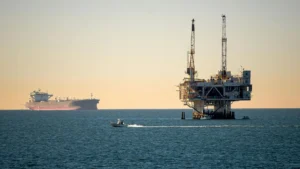
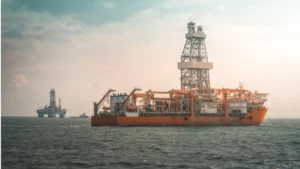
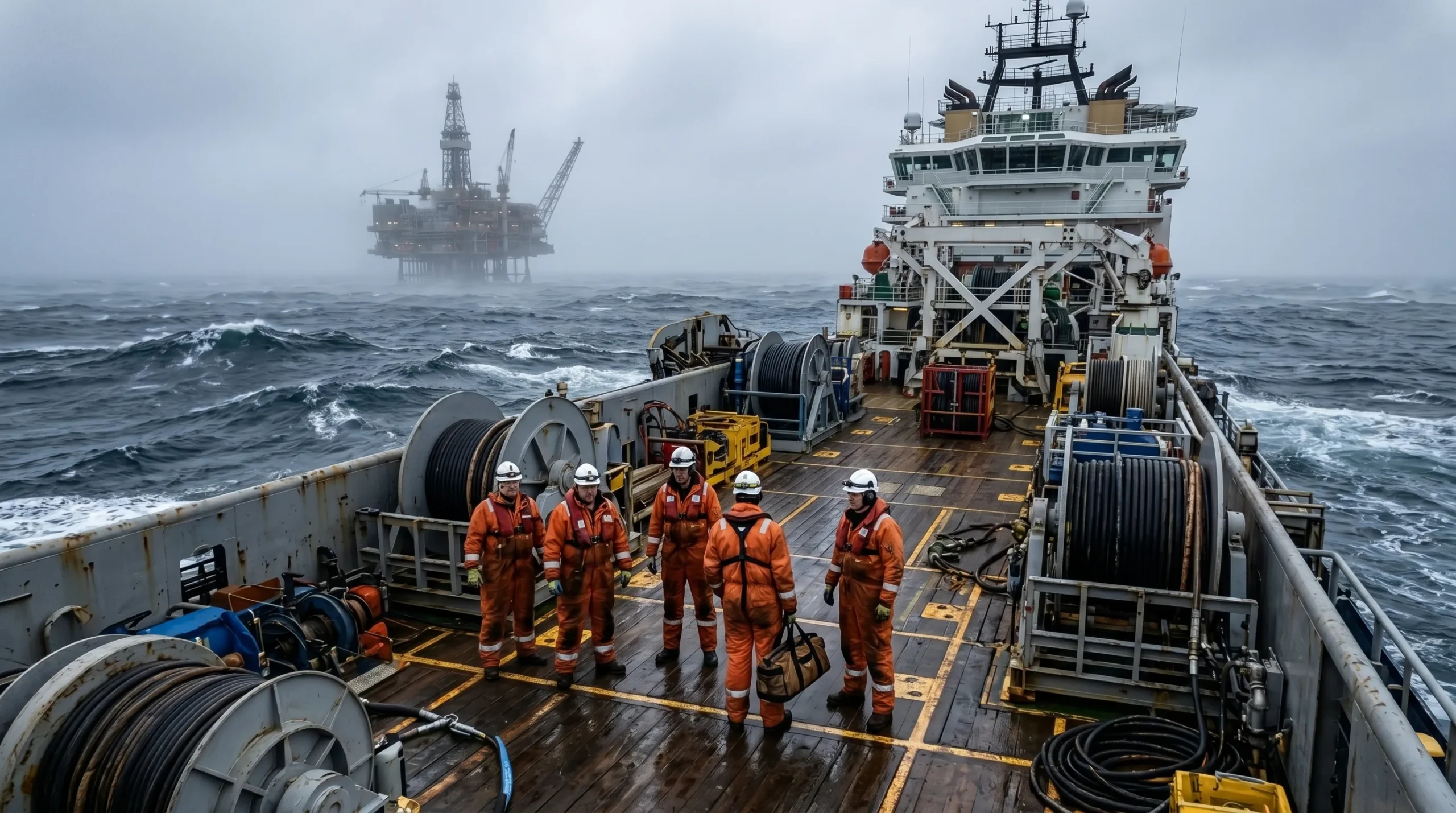
One of the most visible effects of the conflict has been the progressive decrease in activities on drilling rigs and specialized vessels operating in the North Sea.
Some well-related work has had to be rescheduled to ensure safe conditions before suspending operations, while certain intervention and maintenance units have temporarily reduced or halted their activity.
Although national production has not suffered massive interruptions, various industry sources acknowledge that the continuation of the conflict could generate broader operational impacts if an agreement is not reached in the coming weeks.
The conflict could extend to new segments of the sector
Labor tensions are not limited solely to well service workers. Other groups linked to offshore operations and maritime activities have initiated parallel negotiation processes that could lead to new industrial action if talks do not progress.
The possibility of an expansion of the conflict generates concern among operators and suppliers due to Norway’s strategic role as one of Europe’s leading hydrocarbon producers and as a fundamental supplier for regional energy security.
Operational stability in the North Sea returns to the center of the debate
The evolution of the offshore strike in Norway highlights the importance of specialized human resources within an industry highly dependent on technical knowledge, operational coordination, and the availability of critical services.
Beyond the wage or contractual differences that originated the dispute, the conflict demonstrates how any prolonged interruption can impact project execution, operational reliability, and the response capacity of one of the world’s most important offshore energy systems. The outcome of the negotiations will be closely followed by operators, service providers, and investors who observe the strategic role Norway maintains within the international energy market.
Source: RIGZONE