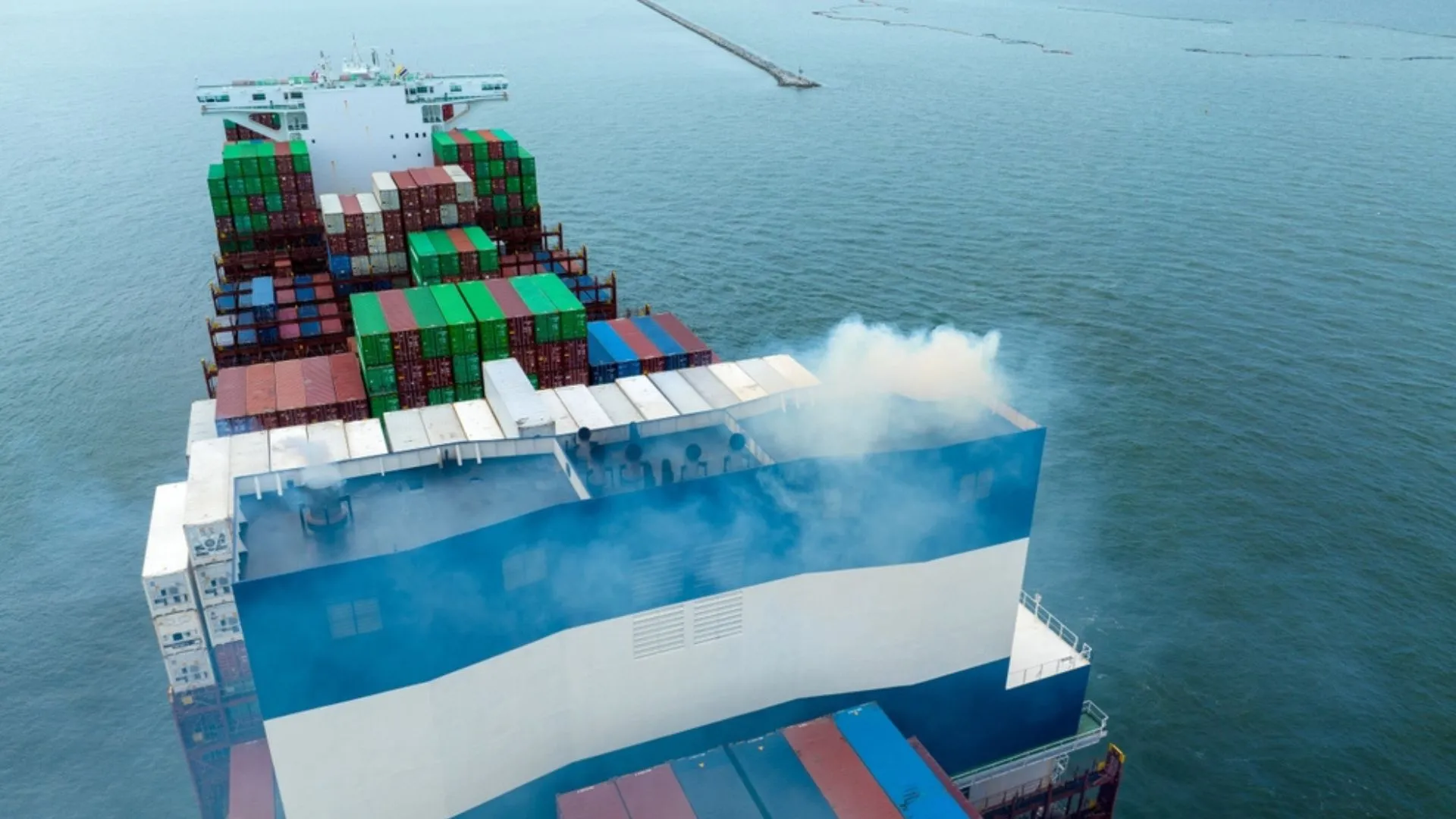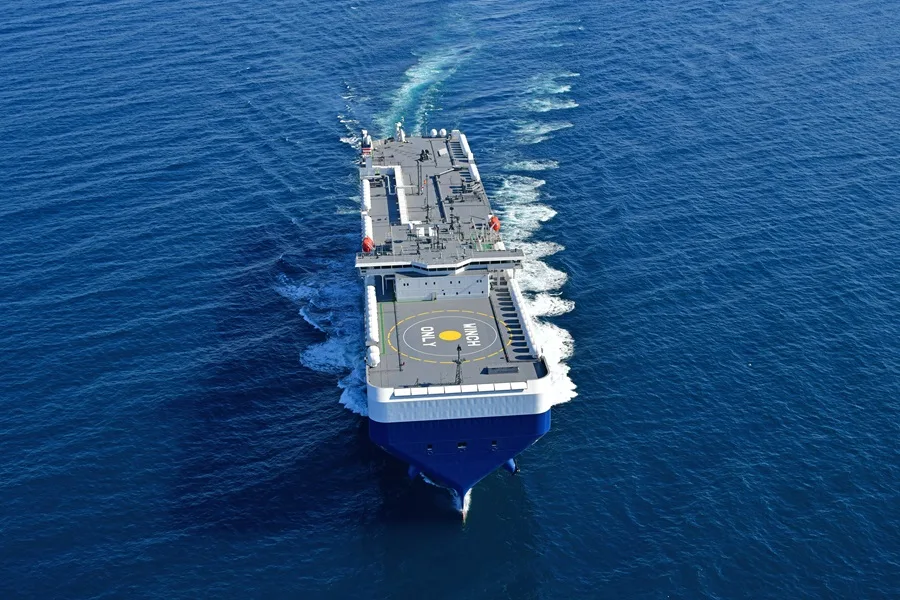
NYK initiated a one-year pilot trial with continuous use of B100 biofuel on a car carrier vessel operated by the company.
The objective is to evaluate the fuel’s impact on vessel equipment and verify its operational safety under real conditions.
The initiative seeks to generate technical knowledge about the prolonged use of high-purity biofuels, an alternative that the maritime sector is observing with interest to reduce greenhouse gas emissions without significantly modifying existing engines and infrastructure.
B100 Will Be Used for One Year
The B100 used in this trial is composed of 100% biofuel, primarily FAME, or fatty acid methyl ester, derived from used cooking oil and similar feedstocks.
NYK will evaluate the fuel’s behavior during one year of continuous operation, analyzing its effect on engines, supply systems, fuel stability, and onboard operational practices.
High-purity biofuels can be sensitive to degradation from exposure to oxygen, light, and heat. Therefore, the trial will enable the collection of data on storage, handling, and performance during extended periods.
A Step Forward After B24 and B30 Trials
The company had already advanced in the use of biofuels through trials with lower-concentration blends. In 2024, NYK participated in a six-month trial with B24, composed of 24% FAME and very low sulfur fuel oil.
That trial confirmed that continuous use of B24 did not generate adverse effects on engine performance or fuel supply systems. Subsequently, NYK expanded practical use to B30 blends, with approximately 30% biofuel.
However, global experience with continuous and prolonged use of B100 remains limited, making the new trial a relevant stage toward broader adoption of higher-purity renewable fuels.
Biofuels to Decarbonize Vessels
Biofuels are considered a replacement option for maritime transport because they can be used in existing vessels and help reduce emissions throughout the life cycle, from production to consumption.
Unlike other alternatives that require new infrastructure or extensive technical modifications, B100 could offer a more immediate transition pathway for certain fleet segments, provided its stability, safety, and availability at commercial scale are confirmed.
NYK indicated that the data collected during the trial will strengthen the safe operation of vessels with high-purity biofuels and support future emissions reduction initiatives.
NYK Seeks to Expand Alternative Fuels
The trial is part of NYK’s efforts to accelerate the decarbonization of maritime transport through alternative fuels. The company seeks to accumulate technical evidence that facilitates the gradual introduction of biofuels in commercial operations.
Based on the results, NYK will continue with technical evaluations and promote new initiatives aimed at achieving more sustainable maritime transport.
The trial will also enable the identification of potential challenges related to fuel quality, equipment compatibility, prolonged storage, and operational procedures, essential elements for safe adoption of B100 in the shipping industry.
Source and photo: https://www.nyk.com/