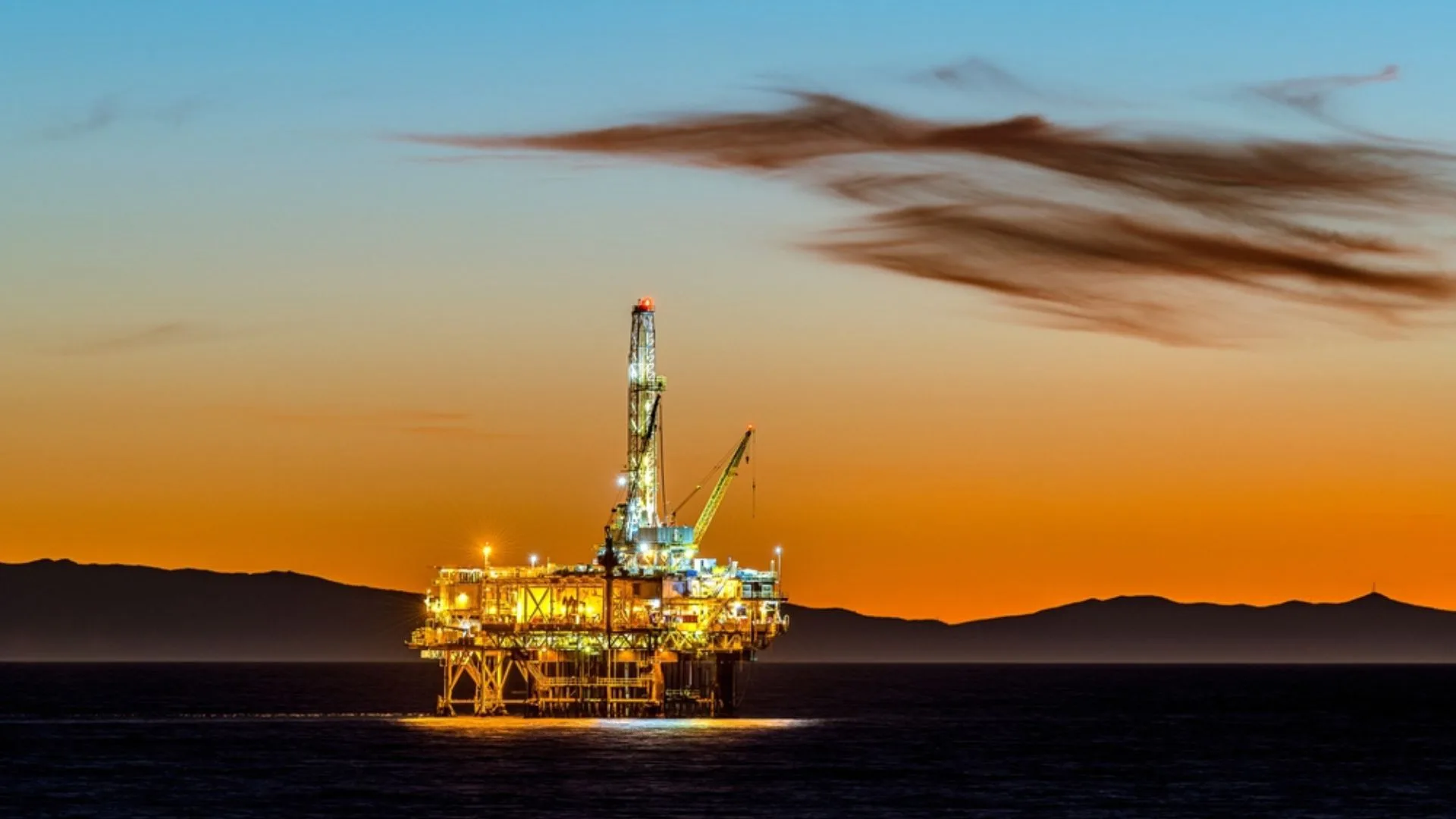
Norwegian unions representing workers on drilling platforms and floating production units reached a wage agreement before the midnight deadline, averting a strike that would have affected key offshore oil sector installations.
Offshore Wage Agreement in Norway Averts New Operational Pressure
The agreement includes a general wage increase of 5.2%, aligned with other recent agreements within Norway’s oil and gas industry. It also includes improvements to pension plan contributions, according to the Norwegian Shipowners’ Association, representing employers during negotiations.
The agreement came at a sensitive time for Norwegian energy activity. A strike would have added tension to a sector already facing disruptions from another labor conflict with oil service workers.
More Than 600 Workers Were Ready to Stop Activities
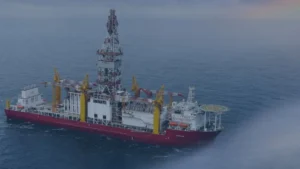
The unions had warned they could call on more than 600 members employed on relevant offshore assets. These included Transocean’s Encourage platform, Odfjell Technology’s Linus platform, AKOFS Offshore’s Seafarer well intervention vessel, and Equinor-operated Gullfaks B platform.
These installations are part of the ecosystem that sustains Norwegian offshore production, a strategic activity for European energy supply and for the Nordic country’s revenues.
A Labor Agreement with Impact for Norwegian Oil and Gas
With the wage agreement, the parties avoided a shutdown that would have complicated operational continuity on drilling platforms, floating production units, and associated services. Furthermore, the outcome reinforces the wage increase pattern applied in other areas of the Norwegian energy sector.
For operating companies and contractors, the resolution of the conflict reduces the immediate risk of disruptions. For offshore workers, the 5.2% increase and pension improvements represent an update of conditions in an industry marked by high costs, demanding shifts, and critical operations at sea.
Source: Reuters
Photo: Shutterstock