The Neptun Deep project has entered a new phase with the start of the installation of the underwater gas pipeline that will connect the Black Sea offshore fields to the Romanian coast. This development secures one of the most significant energy projects in Eastern Europe.
A decisive step for energy security
In this context, OMV Petrom and Romgaz have begun construction of the natural gas pipeline system, a crucial infrastructure for guaranteeing the region’s energy supply. The project involves an investment of nearly €4 billion and is expected to reach an annual production of approximately 8 billion cubic meters of gas.
Likewise, the companies highlight that the start of production is planned for 2027, which positions Romania as a relevant player in the European energy market.
Large-scale offshore infrastructure
On the other hand, the underwater gas pipeline will be approximately 160 kilometers long and will consist of thousands of sections of 76-centimeter diameter steel pipe. This infrastructure will allow the gas to be transported from the offshore production platform to the onshore station in Tuzla.
In addition, the development includes an offshore platform, three subsea systems and a total of ten production wells, several of which have already been drilled in the Pelican South and Domino fields.
Technology and offshore operations
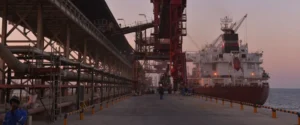
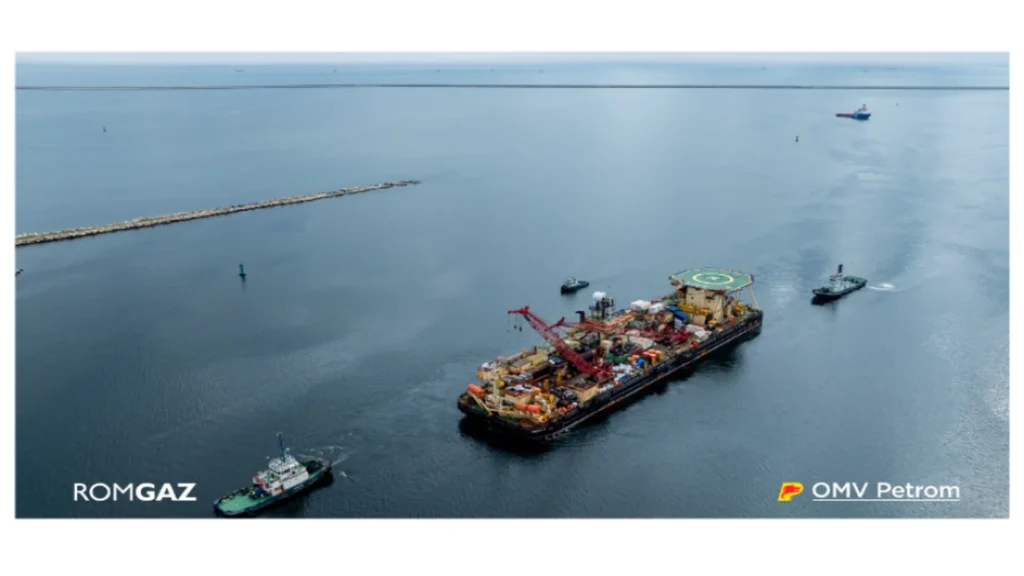
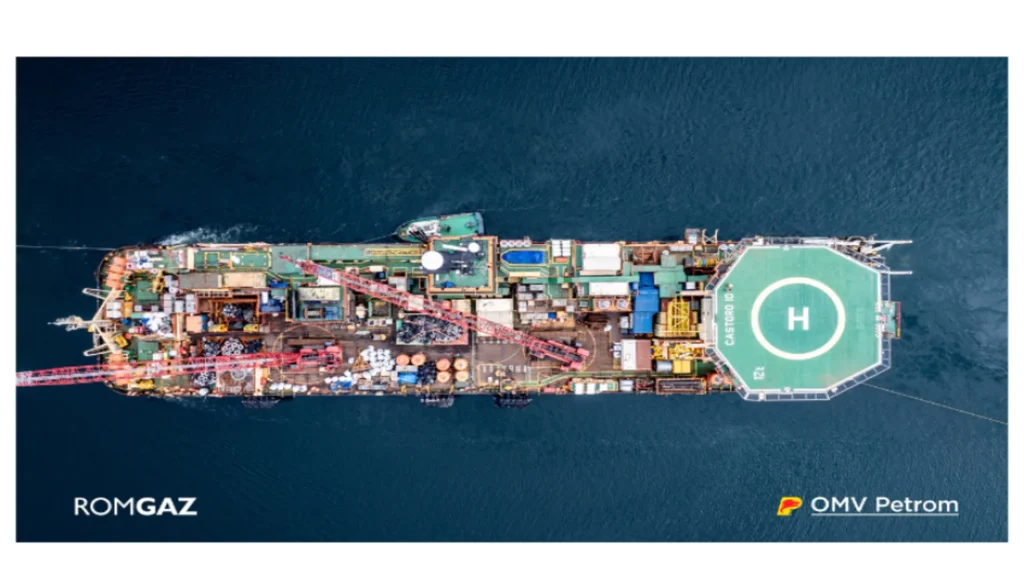
As for the execution, the installation of the gas pipeline involves the mobilization of a fleet of approximately 50 specialized vessels. These include state-of-the-art ships such as the Castoro 10, the Castorone, and the JSD 6000, designed for complex deep-water operations.
It’s worth mentioning that these vessels function as floating assembly lines, where the pipes are aligned, welded, and coated before being laid on the seabed. This process ensures high standards of quality and operational efficiency during pipeline laying.
Technical integration and environmental approach
For its part, the grounding connection will be carried out through a microtunnel in Tuzla, a technological solution that reduces the environmental impact and improves safety conditions during construction.
Similarly, coordination between maritime, submarine, and land operations is essential to meet established deadlines and maintain rigorous industrial safety standards.
Regional impact of the Neptun Deep project
Finally, the development of the Neptun Deep project reinforces Romania’s image in terms of energy resilience. The exploitation of these resources in the Black Sea will contribute to diversifying gas supply sources in Europe and reducing dependence on external imports.
With this progress, the project enters a crucial phase of technical execution, setting the pace for one of the most ambitious offshore developments in the region.
Source and photo: Romgaz