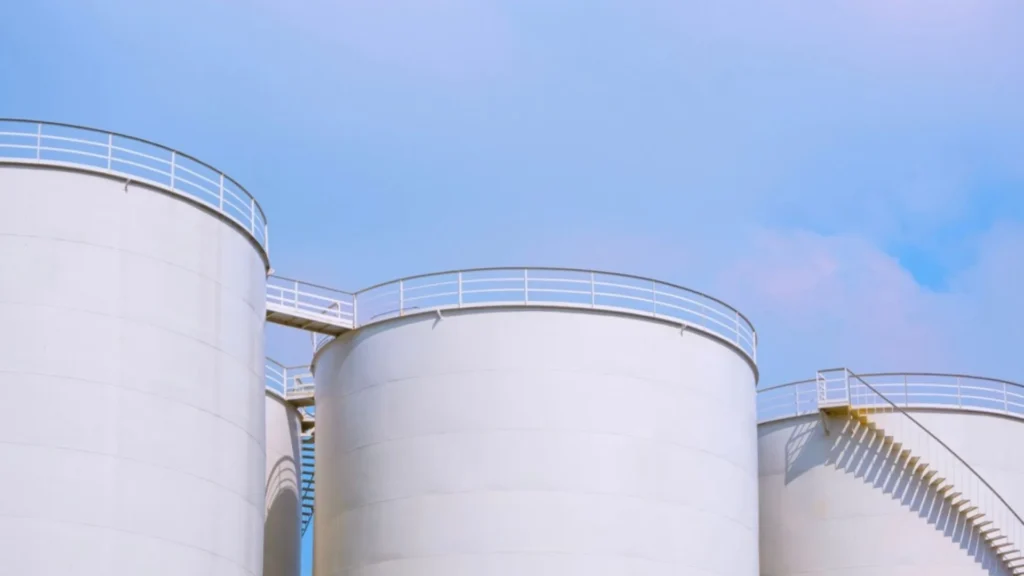
France expects to bring its gas reserves to 85% of capacity by the end of October, strengthening its position ahead of winter. The country is progressing with levels above the European average, although the outlook for gas prices remains elevated.
France moves toward its gas storage target
French gas storage facilities are currently at around 75% of capacity. According to Frédéric Martin, president of France Gaz, the injection pace will allow the 85% target set by the French authorities to be reached before the end of October.
If this trajectory holds, France would enter the peak-demand period with a meaningful safety margin against potential supply strains. Reserve levels would also place the country in a more favorable position than other major European energy markets.
Germany, meanwhile, faces a tighter scenario. Industry association INES estimates its facilities could stand at around 77% capacity by November 1. That volume could prove insufficient to ensure stable supply if winter temperatures are especially low.
European storage remains below France’s level
Across Europe, gas inventories stand at around 66.9% of capacity, according to cited data from Gas Infrastructure Europe. This gap underscores France’s relatively solid position within the regional market.
However, higher reserves do not necessarily imply lower prices. Martin anticipates another six months of elevated quotations due to strains affecting global supply and international energy transport routes.
The current backdrop differs from the 2022 energy crisis. This time, Europe has a more diversified supplier base and significant flows through its transmission pipeline network. That combination mitigates part of the physical shortage risk, though it does not remove pressure on wholesale prices.
Gas prices will remain under pressure through winter
Market dynamics are also being shaped by the conflict between the United States and Iran and by transit restrictions around the Strait of Hormuz. This sea lane is a strategic route for international oil and gas flows, and any material disruption can quickly feed through to European quotations.
Likewise, higher gas and electricity prices could curb demand over the winter. That consumption adjustment would help preserve part of stored reserves, although it would mean higher costs for industries and consumers exposed to the energy market.
The combination of relatively high inventories and weaker demand could limit the risk of shortages in France. Even so, temperature patterns and the availability of international supplies will remain key factors in the months ahead.
Europe seeks alternatives to Russian gas
Another factor reshaping the European market is suppliers’ preparation for the expected restrictions on Russian gas deliveries. Martin noted that contract terminations have increased in recent months as companies reorganize their supply sources.
Operators buying gas directly on the market are adjusting their agreements and preparing to turn to alternative suppliers. This transition could temporarily intensify competition for certain cargoes and supply contracts.
Looking ahead, the market could find some relief through greater availability of liquefied natural gas. Martin estimates LNG liquidity will increase toward the end of 2027 and rise further during 2028.
That supply increase could support a downward price trajectory if global demand does not grow significantly. Until then, France enters the coming winter with gas reserves above the European average, but within a market that will remain exposed to geopolitical strains and elevated prices.
Source: Pipeline & Gas Journal
Photo: Shutterstock