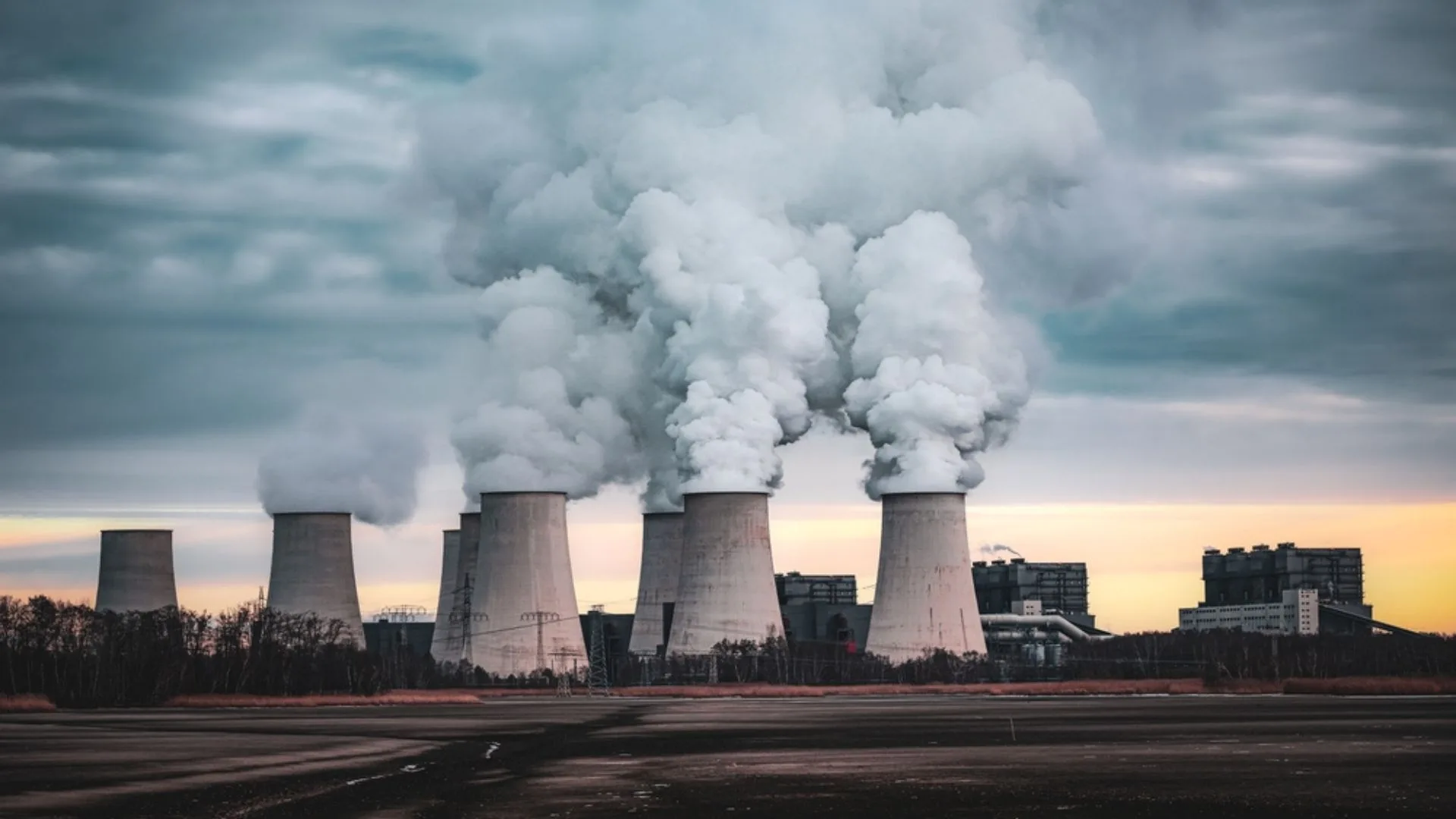
Japan’s nuclear reactors are back at the center of the national energy strategy: the Ministry of Economy, Trade and Industry (METI) proposed rebuilding up to 14 units by the 2050s and adding nearly 16 GW of new capacity, in a shift aimed at strengthening power supply security amid rising industrial and digital demand, Reuters reported.
The proposal marks a new phase. Until now, post-Fukushima policy had focused on restarting existing reactors; the new roadmap sets, for the first time, concrete targets to replace aging nuclear reactors and expand the installed nuclear fleet.
What is METI proposing for Japan’s nuclear reactors?
The plan envisions replacing between 2 and 5 nuclear reactors as early as the 2040s and building between 11 and 14 new units by the 2050s. Overall, the proposal would add around 16 GW of baseload generation capacity, one of the most significant nuclear expansion figures currently projected in Asia.
The country currently operates 33 reactors and has restarted 15 of them since the Fukushima Daiichi accident. The national goal is to raise nuclear power’s share to nearly 20% of the electricity mix by 2040, a target that requires both restarts and new construction to offset the gradual retirement of the oldest plants.
The program’s scope is also financial. Reuters notes that a large-scale reactor in Japan can cost around $7 billion, placing the initiative among the region’s largest energy investment commitments and requiring public and private backing to be planned decades in advance.
AI and data center electricity demand behind Japan’s nuclear plan
The driver behind the proposal is the expected growth in electricity consumption. The expansion of artificial intelligence, the proliferation of data centers, and the electrification of advanced manufacturing are increasing demand for firm, around-the-clock generation—an operating profile that nuclear reactors provide with stability compared with the intermittency of other sources.
That same link between computing and nuclear energy can be seen in other markets. In France, EDF is moving forward with the digitalization of its nuclear operations using artificial intelligence, a sign that the nuclear industry and the technology sector are increasingly converging around supply reliability.
“Nuclear energy provides the kind of baseload generation that digital loads need to operate continuously,” is the technical argument underpinning these types of expansion plans, where the predictability of output matters as much as its volume.
Energy security: the geopolitical backdrop to Japan’s nuclear reactors
The move has a clear strategic rationale. By increasing domestic nuclear generation, Japan seeks to reduce its dependence on imported liquefied natural gas, coal, and oil—inputs subject to price volatility and geopolitical tensions that affect a country without its own fossil resources.
The approach ties into a broader debate on energy security and grid resilience, where source diversification and supply firmness have become priorities for planners. International experience reinforces the trend: the Barakah plant already supplies nearly 25% of the United Arab Emirates’ electricity, an example of the weight nuclear energy can reach in a national mix.
Implications for operators and asset management
For the power generation sector, the program opens a long-term investment horizon. Asset managers will need to plan for life cycles exceeding 60 years, while reliability engineers will face increased demand for equipment aging management and structural integrity programs.
The impact also extends to supply chains. Building up to 14 nuclear reactors would require strengthening related industrial capabilities, expanding regulatory inspection programs, and creating new opportunities for operation, maintenance, and life extension for the country’s nuclear operators.
METI’s proposal still needs to be translated into energy policy decisions and firm budget commitments. However, if implemented, it would position Japan’s nuclear reactors as a structural pillar to sustain an economy increasingly dependent on an abundant, stable power supply free from the uncertainty of imported fuels.
Source: Reuters
Photo: shutterstock