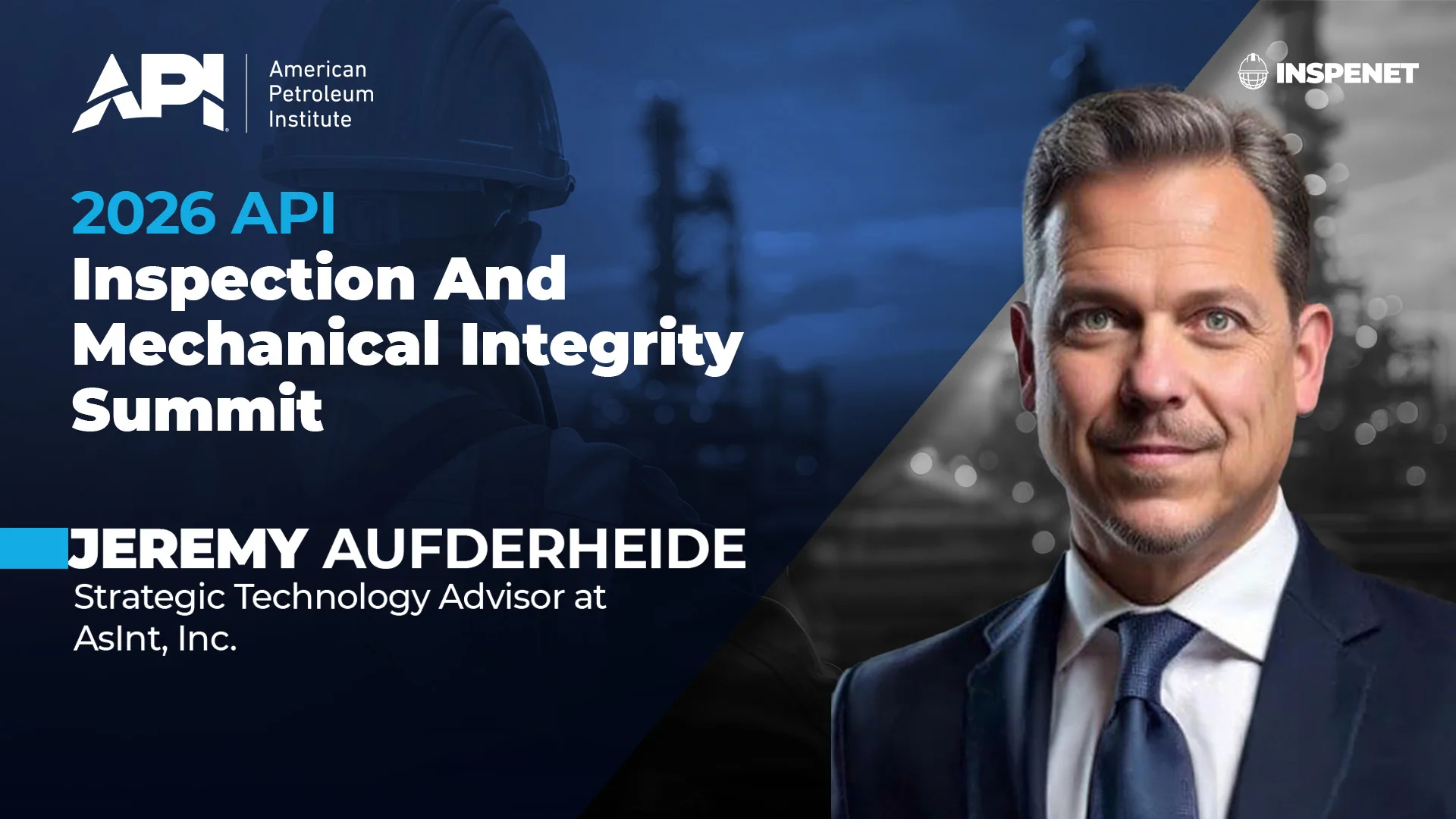
AsInt presents a scalable architecture for industrial engineering
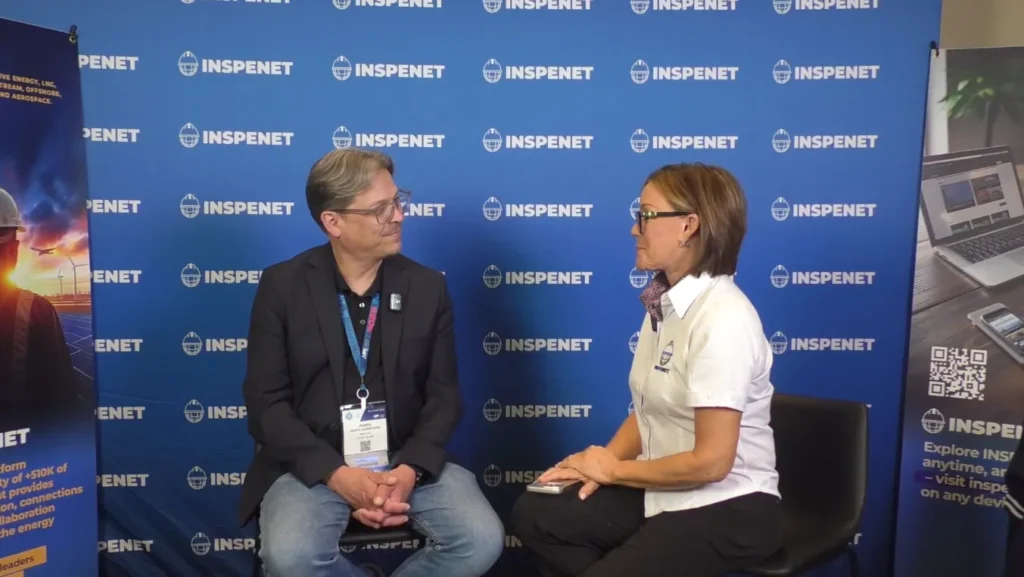
During API Summit 2026, Jeremy Aufderheide, Strategic Technology Consultant at AsInt, shared the company's vision on one of the challenges facing industrial organizations: developing engineering platforms capable of scaling with the business without sacrificing technical accuracy, security, or integration capabilities. The company's proposal is based on an architecture designed from the ground up to meet the needs of both small teams and large organizations managing critical assets.
Architecture determines the success of an engineering platform
Engineering platforms are typically built with one clear objective: to provide technically accurate calculations. However, Jeremy Aufderheide explained that this approach, while essential, can create limitations when the solution needs to be used at an enterprise scale.
According to the AsInt spokesperson, many developers focus their efforts on ensuring the technical validity of the results and neglect aspects that ultimately become crucial as the platform grows. These include data management, security, scalability, and the non-functional requirements that allow an application to be maintained and evolved over years.
If development focuses solely on data input and output, the product may work perfectly for a single user. But an enterprise solution must be built from the ground up with stability and scalability in mind.
Aufderheide explained.
This approach aligns with the philosophy AsInt applies to the development of its solutions; the company defines itself as one where engineering expertise precedes technological development. This combination aims to facilitate data-driven decision-making throughout the entire lifecycle of industrial assets.
A platform designed for organizations of any size
One of the central elements of the interview was AsInt Edge, the platform developed by the company to support engineering teams with different levels of complexity.
Jeremy Aufderheide described it as a scalable platform capable of adapting to both small workgroups and large organizations that require an infrastructure prepared to manage multiple processes and users.
Scalability, he explained, is not just about increasing the technical capacity of the system; it also involves making it easier for new teams to start working quickly without depending on lengthy configuration processes.
In this context, the company is committed to a model based on independent workspaces. This approach allows engineering managers, supervisors, and other team members to create new environments through a self-service system, onboard their team members, and deploy the necessary applications in a short amount of time.
This methodology aims to accelerate the implementation of new projects and offer greater autonomy to technical teams without relinquishing control of information.
Integration as the core of AsInt's architecture
Integration with other enterprise platforms is another pillar of the architecture presented by AsInt during API Summit 2026.
Industrial organizations often operate with different systems to manage maintenance, operations, and assets. These include widely implemented solutions such as SAP, IBM Maximo, and IFS, whose coexistence can complicate information sharing.
To respond to this scenario, AsInt has developed an architecture based on a uniform, modular, and adaptable integration layer.
Jeremy Aufderheide explained that the platform works with a single internal data model, while specific connectors handle the transformation of information from each external system. In this way, the platform maintains a single consumption interface regardless of the data source.
This design reduces the complexity of integrations and facilitates the incorporation of new sources of information without modifying the internal workings of the application.
From a business perspective, a modular architecture also favors the technological evolution of organizations, as it allows the incorporation of new systems as operational needs change.
Traceability is gaining prominence in asset management
Another aspect addressed during the conversation was the growing importance of traceability in engineering decisions.
Asset owners and regulatory bodies are increasingly demanding transparency about how decisions affecting the integrity of industrial equipment and facilities are made.
Jeremy Aufderheide explained that AsInt addresses this challenge from two complementary levels.
On the one hand, the platform incorporates approval workflows integrated within the applications themselves, which allows the path of each decision to be recorded during the work processes.
Furthermore, the architecture maintains a structured record of the information stored behind each operation performed by users. This approach facilitates reconstructing the context of a decision when necessary for audits, technical reviews, or regulatory processes.
Traceability thus becomes an inherent component of the architecture and not a function added later.
Engineering and technology developed jointly
AsInt's proposal stems from an idea that the company also highlights in its corporate information: digital solutions must be built from a deep understanding of industrial engineering.
The company works primarily with organizations belonging to asset-intensive sectors such as oil and gas, petrochemicals, chemical industry, energy, mining, rail transport, manufacturing and infrastructure.
Its objective is to help these organizations identify risks early, improve asset reliability, and promote data-driven decision-making throughout all phases of the facility lifecycle.
To achieve this, it combines expertise in mechanical integrity, risk management, and operational excellence with digital tools designed to integrate into routine work processes.
According to the company, this approach allows the development of applications designed to meet real operation and maintenance needs, avoiding the adaptation of generic business solutions to highly specialized industrial environments.
A vision geared towards industrial modernization
During the interview, it became clear that software architecture plays an increasingly important role in the digital transformation of the industry.
The need to connect multiple sources of information, ensure security, maintain traceability, and offer platforms capable of growing with organizations demands a solid technological design from the earliest stages of development.
Jeremy Aufderheide's shared vision places these principles as the foundation upon which AsInt develops its solutions. For the company, technical precision remains essential, but it must be accompanied by an architecture designed to meet the operational requirements of today's industrial businesses.
Likewise, the evolution towards more open, scalable and integrated platforms reflects the direction that much of the sector is taking to address the challenges associated with asset management, regulatory compliance and the digitization of operations.
For more content about API Summit 2026, visit our LinkedIn profile.
Source: Inspenet.