Table of Contents
After completing tests on the main electrical equipment in Turkey, the Interconnect Malta (IC2) project reports progress in its development. This technical phase ensures the supply of critical components that will make it possible to double the electrical interconnection capacity between the two Mediterranean countries.
Testing and progress in the electrical interconnection
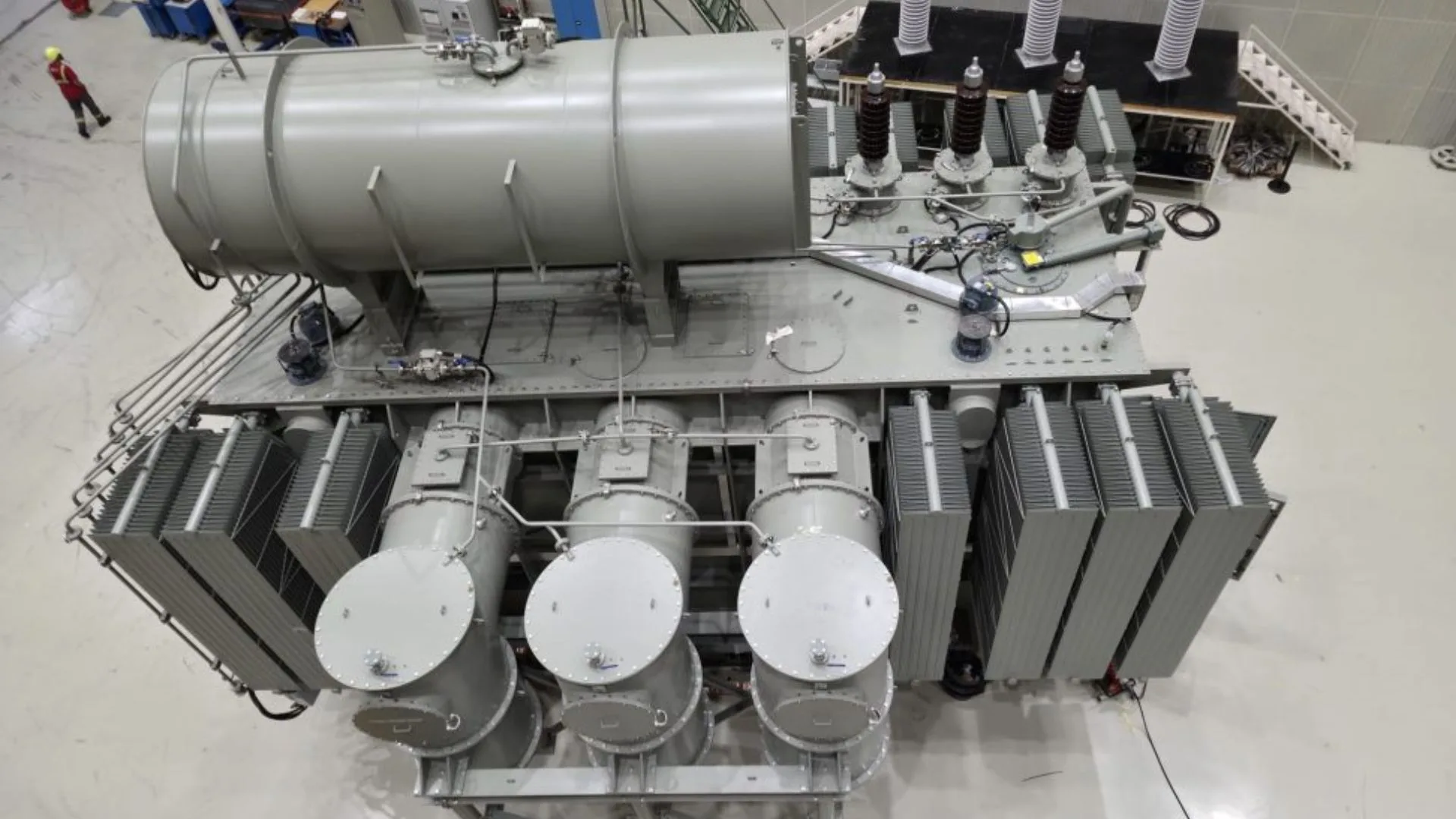
Regarding the validated technical components, the system includes a high-power autotransformer and two variable shunt reactors operating at 220 kV. This equipment passed the quality control protocols required by international standards at the facilities of BEST.
In this way, the autotransformer will serve to reduce the interconnection voltage from 220 kV to 132 kV, fully adapting it to the operation of the Maltese distribution grid. Likewise, the shunt reactors will regulate voltage by absorbing reactive power, optimizing energy transmission and drastically reducing operational losses.
With regard to the logistics schedule, the companies in charge are carrying out the dismantling, packaging, and cargo preparation process at the Turkish factories. According to official forecasts, the structures will depart by sea in mid-June to the port of Pozzallo in Sicily and the Grand Harbour of Malta, respectively.
Consequently, the installation of the 220 kV reactor in Ragusa, together with the transformer and the reactor in Malta, will be completed by the end of this summer. Management of this transport and final positioning falls to SIMI Trasporti, acting as a subcontractor to the main company AG Installations.
In light of this progress, energy authorities emphasize that the new infrastructure will strengthen the sector’s resilience and facilitate the integration of onshore and offshore renewable energy. The management of the Interconnect Malta division indicated that the technical entity expects receipt and commissioning at the Magħtab and Ragusa substations before final energization.
Finally, the project’s total investment amounts to €300 million, of which €261 million comes from the European Regional Development Fund (ERDF). This financial allocation consolidates the initiative as an operation of strategic importance for the stability of the smart power system and the region’s just energy transition.
Source and photo: ICM