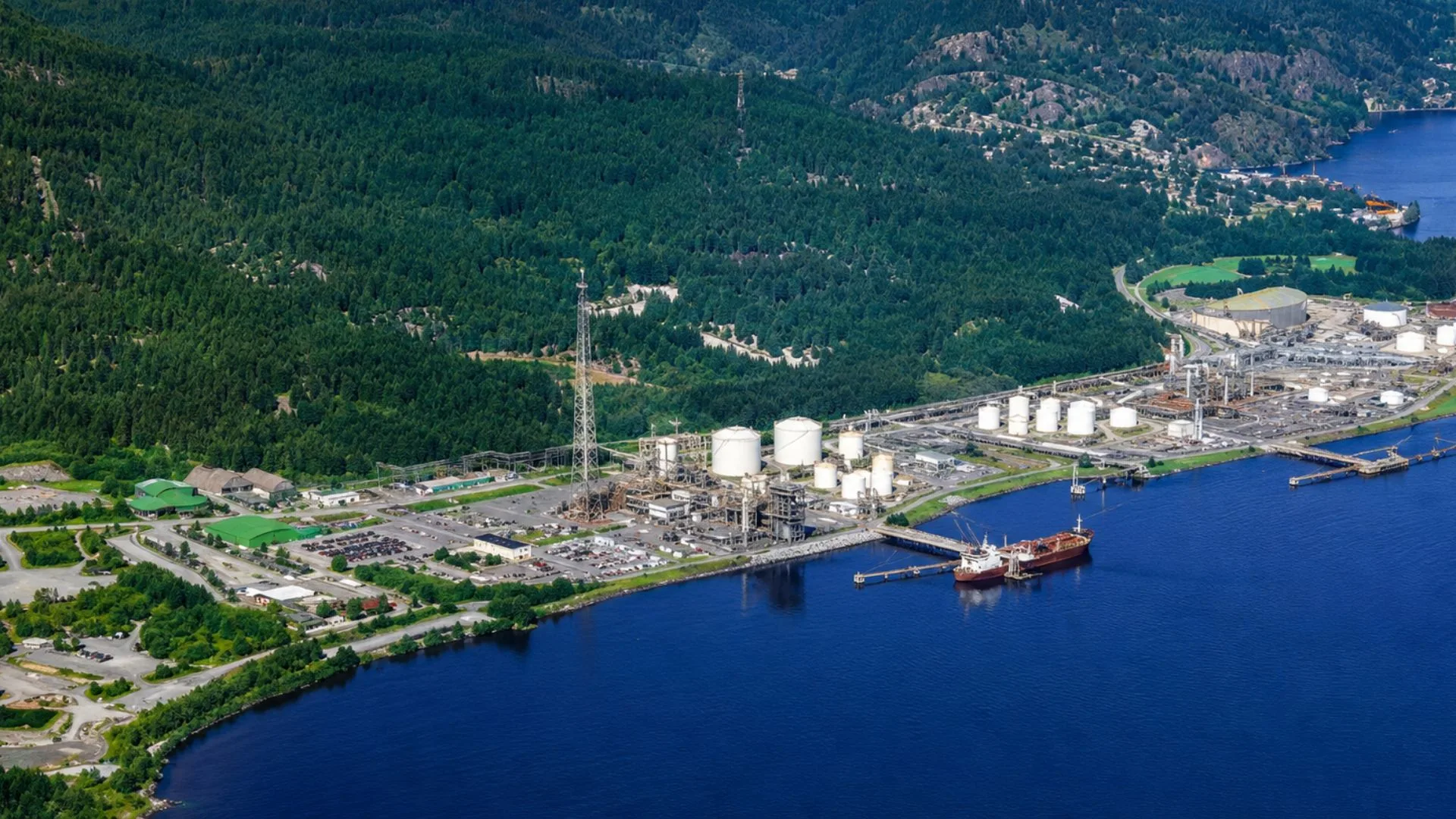
INEOS and the Norwegian company Recuro have signed a memorandum of understanding to develop an advanced recycling plant at the Bamble petrochemical complex in Norway. The project, called Full Circle, will process up to 33,000 metric tons of end-of-life plastic waste annually, strengthening the supply of recycled raw materials needed to comply with the European Union’s Packaging and Packaging Waste Regulation (PPWR).
Integrated project to expand the circular economy
The future facility will leverage the existing industrial infrastructure of the INEOS complex, including land, utilities, and operational connections. This strategy aims to reduce the necessary investment and minimize the project’s environmental footprint by avoiding the construction of new, large-scale infrastructure.
Furthermore, the plant will operate exclusively on electricity from renewable sources in Norway, reinforcing the objective of minimizing emissions associated with the industrial process.
Pyrolysis recovers carbon to produce new plastics
The facility will use advanced pyrolysis technology to transform plastic waste into reusable raw materials. During this process, the materials are heated in the absence of oxygen to produce oil, gas, and carbon, which can then be reintroduced into the petrochemical chain.
The project also plans to conserve both the oil and gas obtained during recycling for use in manufacturing new products instead of using them as fuel. This approach promotes the recovery of carbon contained in plastics and keeps these resources within a continuous production cycle.
Integration with INEOS’ petrochemical operations
The recycled oil produced at the plant will serve as raw material for the Rafnes cracking unit, where INEOS will manufacture recycled ethylene. Subsequently, the Bamble plant will produce recycled polyethylene of equivalent quality to virgin raw material, intended for demanding applications such as food packaging and medical products.
The integration of advanced recycling and petrochemical production seeks to increase recycling rates and facilitate compliance with European regulatory requirements for recycled materials.
Companies highlight the value of collaboration
Arve Jakobsen, CEO of Recuro, noted that the project represents a comprehensive model of circularity by combining existing infrastructure with proximity to a steam cracking plant, making it easier to recover and reuse both the oil and gas generated during the process.
The executive added that the initiative is an important step in strengthening Recuro as a key player in plastics recycling and highlighted the support received from Innovation Norway, technology partner Vixla and INEOS to make the project’s development possible.
Liz Rittweger, CEO of INEOS Olefins & Polymers Europe, stated that advanced recycling will be crucial for expanding the potential of plastics recycling and moving towards a low-carbon, circular economy. She also emphasized the importance of clear regulatory frameworks that provide legal certainty and encourage new investments in large-scale recycling technologies.
Source and photo: Ineos