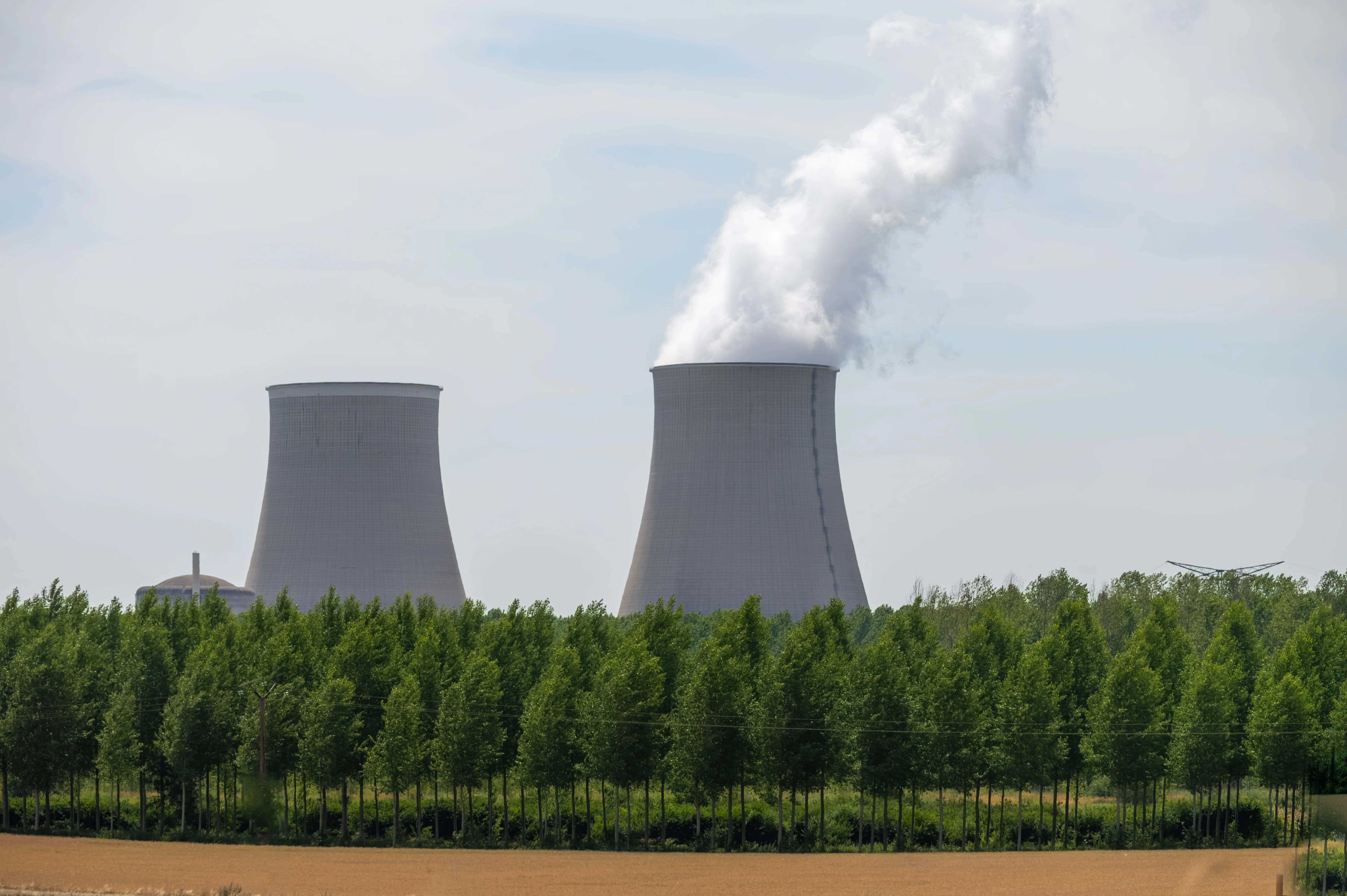
India has taken a decisive step in its energy strategy with the commissioning of the Rapid Breeding PFBR Reactor at Kalpakkam. This technological advancement places the country in a leading position within global nuclear development after reaching criticality, that is, the start of a controlled nuclear reaction.
Furthermore, this type of reactor represents an evolution from traditional models. Unlike conventional uranium-based systems, the PFBR is designed to produce more fuel than it consumes. This approach allows for the optimization of available resources and progress toward a more self-sufficient energy model.
A strategic leap in nuclear energy
Furthermore, India has become one of the few countries capable of operating breeder reactors on a significant scale. This development strengthens its three-stage nuclear program, designed to take advantage of its vast thorium reserves, considered among the largest in the world.
Likewise, the development of the PFBR responds to a structural need to reduce dependence on energy imports. Currently, the country relies on foreign sources to cover approximately 90% of its oil demand, which exposes it to the volatility of the international market.
Thorium as the cornerstone of the energy future in a PFBR reactor
In this context, thorium emerges as a crucial resource, although the current reactor uses conventional fuel, its design is geared towards a future transition to this material, which is more abundant in Indian territory.
In this way, the country seeks to build a more stable and predictable energy system, with the possibility of generating its own nuclear fuel, representing a strategic advantage over other global actors.
Real impact and gradual transition
However, the immediate impact on the energy market will be limited, since nuclear power currently accounts for around 3% of electricity generation in India, while oil remains essential for sectors such as transportation.
Therefore, the government’s strategy does not aim for an abrupt replacement of hydrocarbons; instead, it proposes a gradual transition where nuclear energy and renewable sources gain prominence over time.
A commitment to energy independence
Ultimately, this development is part of a broader vision aimed at ensuring the country’s energy security in the face of potential global crises. In a context marked by geopolitical tensions and fluctuations in crude oil supply, India seeks to mitigate risks by diversifying its energy mix.
With the activation of the PFBR reactor, the country takes a firm step towards greater energy independence and although the road is long, the technological base is already in operation and marks the beginning of a new stage in its energy policy.
Source: Elespanol
Photo: Shutterstock