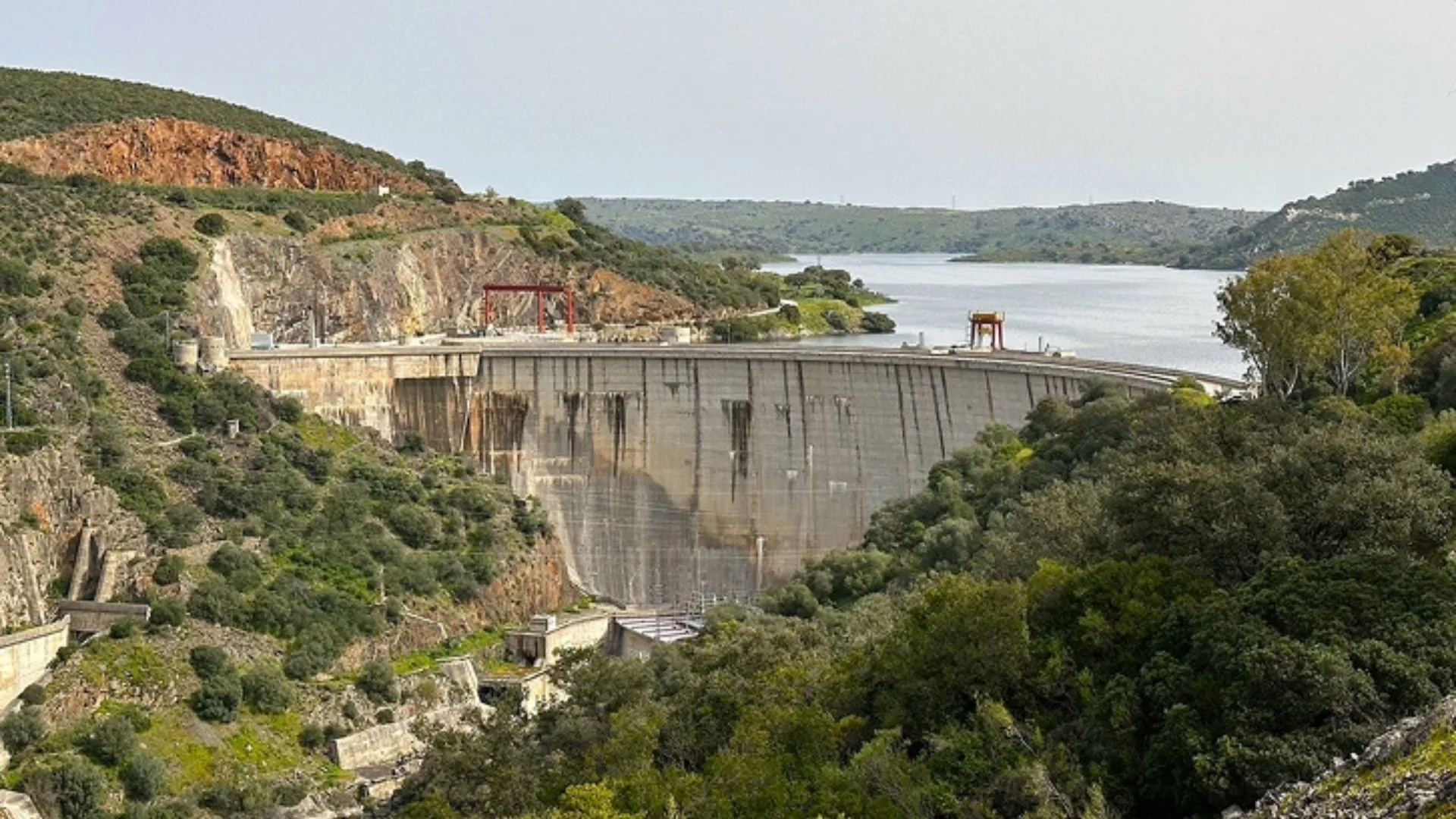
Iberdrola España has reinforced the energy storage capacity of the Spanish electricity system after putting into service new technological improvements at the Valdecañas pumping station, located in Cáceres.
The upgrade allows for the incorporation of an additional 355 MW of power and 210 GWh of storage into the Tagus River hydraulic system.
The company confirmed that the facility has successfully completed its first pumping operations. Thanks to the connection between the Alcántara and Valdecañas reservoirs, considered among the largest in Europe, the system can store surplus solar and wind energy for reuse when electricity demand increases or renewable generation decreases.
Renewable pumped and storage plant
The Torrejón-Valdecañas complex functions as a large hydroelectric battery based on reversible pumping. During peak renewable energy production hours, especially at midday with high photovoltaic generation, the system uses surplus energy to pump water to higher levels.
Subsequently, when electricity consumption increases, the water level drops and generates electricity. This mechanism allows for balancing the electrical grid and improving the use of renewable energy that, in other scenarios, might be wasted.
The new configuration also incorporates a hybrid battery with 15 MW and 7.5 MWh of capacity. According to Iberdrola, this additional capacity is equivalent to the average annual consumption of 60,000 homes, more than four million electric vehicle batteries, or more than two weeks of electricity consumption for the region of Extremadura.
The operational coordination between the Valdecañas, Torrejón, Alcántara, and Cedillo reservoirs also offers advantages for the water management of the Tagus River. The system allows water to be transferred between reservoirs according to available capacity and operational needs.
Furthermore, controlling the Tiétar tributary through pumping helps reduce the risk of flooding, conserve ecosystems, and maintain strategic water reserves throughout the year.
Iberdrola explained that the work carried out at Valdecañas was exclusively electromechanical in scope. The company upgraded equipment to increase operational flexibility without needing to build new civil infrastructure or modify reservoir levels.
Similarly, the project took advantage of existing power lines, avoiding new transport connections.
Energy storage is gaining importance in the energy transition
The company believes that energy storage will be a key pillar of the transition to electricity systems based on renewable sources. Iberdrola’s strategy combines pumped hydro storage solutions with BESS systems under a technology-neutral approach.
Currently, Iberdrola’s hydroelectric facilities in Extremadura have an installed capacity of nearly 2,000 MW. Across Spain, the company has over 4,200 MW of installed capacity in pumped-storage hydroelectric plants.
At the same time, the company stressed that the development of new storage plants requires long-term water concessions and revenue stabilization mechanisms that facilitate the investments needed to accelerate the energy transition.
Source and photo: Iberdrola