Table of Contents
The Hormuz transit fees proposed by Iran would transform the risk of a Strait of Hormuz closure into a permanent financial cost on 20% of global oil and LNG trade. The Iranian ambassador to Moscow, Kazem Jalali, confirmed on June 8, 2026, that the strait will remain open under new conditions set with Oman. More than 11 million barrels per day continue to experience affected flows as markets assess the real impact.
What are Hormuz transit fees and how would they be calculated?
Jalali explained in an interview with the Russian newspaper Izvestia that the fees correspond to services provided by Iran and Oman to vessels transiting the route. Criteria would include cargo type, size, and operational characteristics of the vessel. The proposal is official but not yet implemented; execution details have not been published.
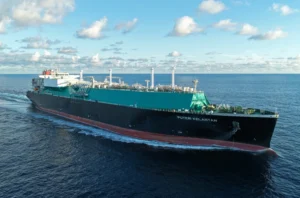
The differential based on cargo type is the most disruptive element: a VLCC supertanker would not be taxed the same as an LNG carrier. Futures traders and long-term buyers will need to incorporate this variable into their pricing models.
Impact of Hormuz transit fees on global energy flows
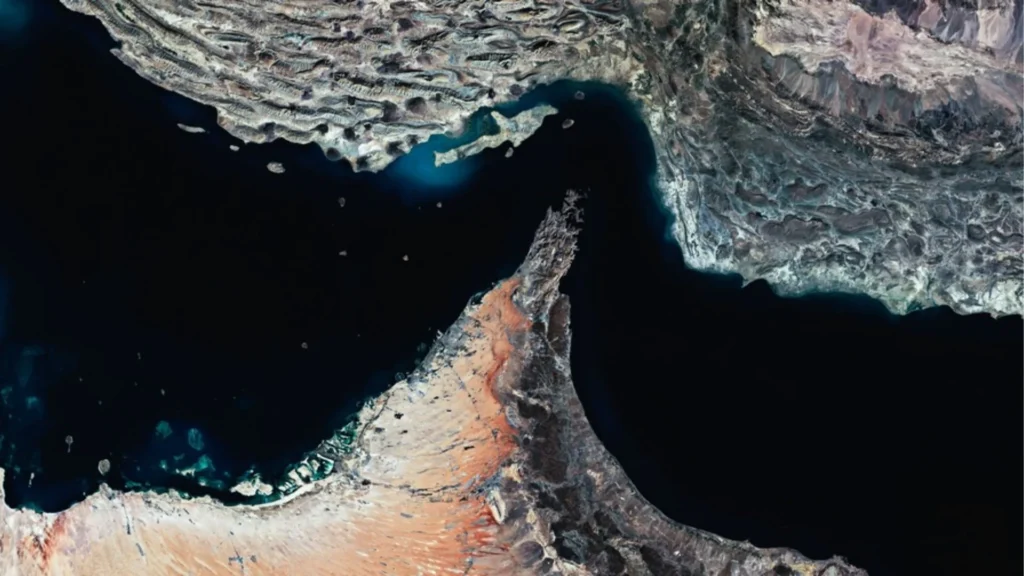
Approximately 20% of the world’s oil and 20% of global LNG transit through Hormuz daily, according to Reuters. The main exposed exporters are Saudi Arabia, Qatar, United Arab Emirates, Kuwait, and Iraq. The largest importers at risk of absorbing the new cost are China, India, Japan, and South Korea.
Unlike a conventional blockade, Hormuz transit fees would not interrupt the physical flow of crude or gas. However, they would increase the cost of each cargo crossing the waterway, pressuring Asian refining margins at a time when US LNG flows are at 2026 lows, already reducing global arbitrage capacity. The additional cost would be passed on to the final consumer.
Washington rejects tariffs as an unacceptable condition
President Donald Trump was explicit: “We don’t want fees. It’s international. It’s an international waterway,” he told reporters. Secretary of State Marco Rubio warned that Hormuz transit fees would make any diplomatic agreement with Tehran unviable. The U.S. Treasury has already sanctioned the Persian Gulf Straits Authority, the Iranian body created to manage transit.
Oman attempted to distance itself from the scheme. The Omani ambassador in Washington informed the Treasury and the State Department that Muscat opposes any fee system and reiterates its commitment to freedom of navigation.
Route reconfiguration and pressure on regional logistics
Uncertainty about transit costs is already pressuring alternative routes. Shippers are evaluating the Cape of Good Hope, which adds between 10 and 15 days per trip. In this context, ADNOC’s operations on the energy route to Asia serve as a reference for estimating the regional logistical impact.
Hormuz transit fees and the debate on international maritime law
The UN Convention on the Law of the Sea guarantees passage through international straits without economic conditions. The IMO Secretary-General stated before the Security Council that there is no legal basis for imposing payments on international straits. Iran frames Hormuz transit fees as remuneration for services—vessel protection, search and rescue—and not as a transit toll.
“Of course, this strait will be open, but with new conditions that Iranian and Omani authorities will determine,” Jalali stated, according to Reuters. The distinction between “service fee” and “transit toll” is the legal crux of the Iranian argument. Precedents from the Suez Canal and the Panama Canal are not applicable to a natural strait.
Sources