European natural gas prices opened sharply higher after escalating tensions in the Strait of Hormuz reignited concerns about global liquefied natural gas (LNG) supplies. The market reacted swiftly to the heightened geopolitical risk, pushing the benchmark TTF contract back above €50 per megawatt-hour.
According to trading in Dutch TTF futures for August 2026, the contract advanced 3.35% to $59.51, equivalent to €50.43 per MWh. This movement reverses some of the losses recorded during the previous session and reflects the high sensitivity of the European market to potential disruptions in energy trading.
The Strait of Hormuz raises uncertainty once again
Tensions between the United States and Iran increased again over the weekend around the Strait of Hormuz, one of the most important maritime routes for the global transport of oil and LNG.
As a result, maritime traffic decreased significantly as Qatar took extraordinary measures to protect its fleet and temporarily suspended various maritime activities. The maritime intelligence firm Windward noted that this decision represents the first widespread halt to maritime operations by a Gulf state since the start of the conflict.
European gas prices rise due to LNG market tension
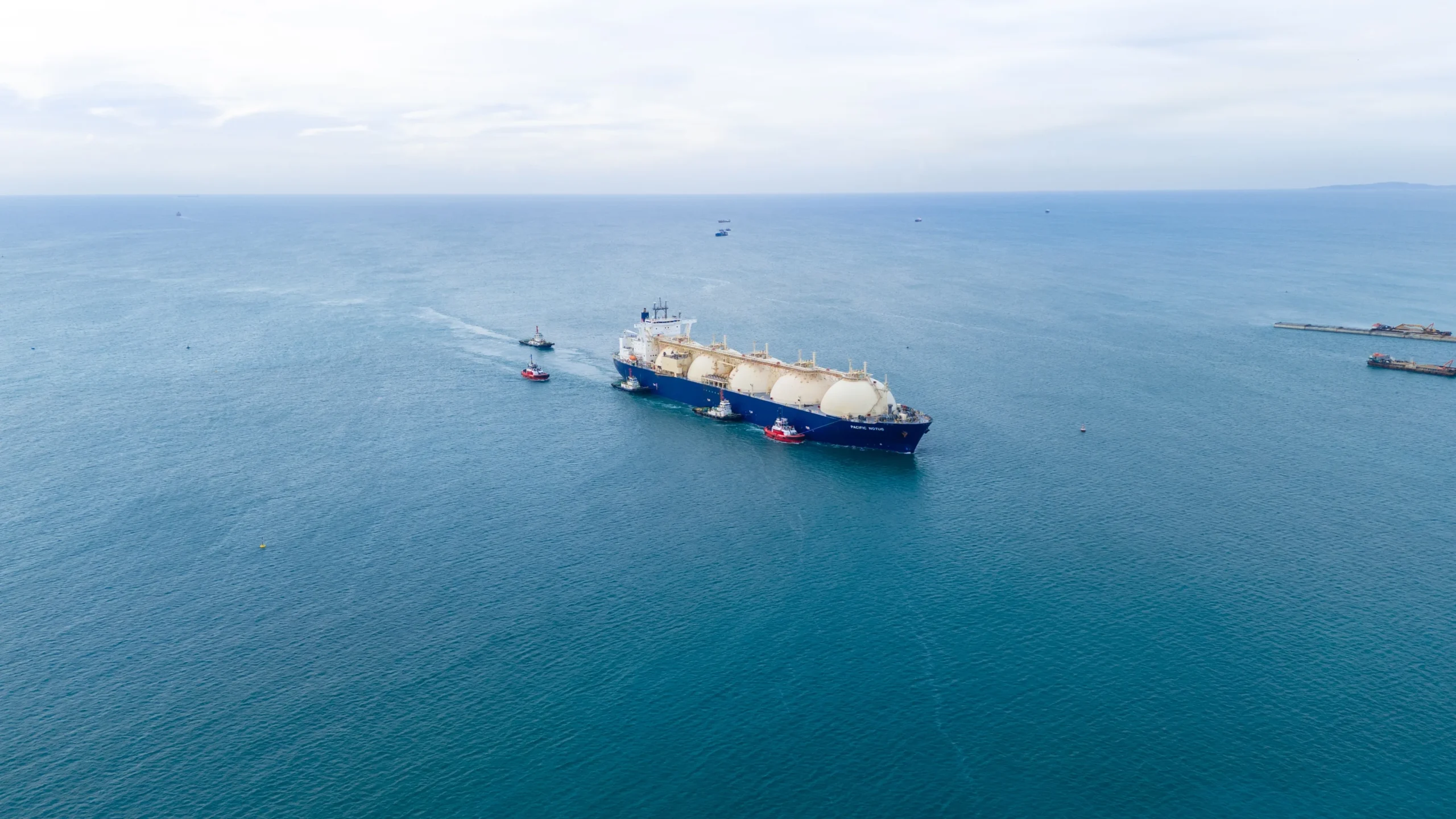
Market concerns center on Qatar’s role as one of the world’s leading exporters of liquefied natural gas. Any prolonged disruption to exports from Ras Laffan could reduce the availability of shipments to Europe and increase international competition for supply.
Likewise, operators are closely observing the behavior of Asian buyers, who continue to absorb a significant portion of the supply available on the spot market, increasing the pressure on European importers.
Increased pressure to complete storage
Europe is in the midst of its pre-winter LNG replenishment season; a scenario of lower LNG availability could raise storage costs and maintain high price volatility in the coming weeks.
Although exports from the Middle East were beginning to recover following diplomatic progress in June, the resumption of hostilities has once again placed geopolitical risk at the heart of the energy market. As long as uncertainty persists regarding navigation in the Strait of Hormuz, traders will remain vigilant for any signs that could affect the balance between natural gas supply and demand.
Source: Oilprice
Photo: Shutterstock