European Energy has signed an energy balancing and optimization agreement with the Danish company Twig Energy to manage the Måde hybrid wind farm, located near Esbjerg in western Denmark. The initiative aims to intelligently coordinate wind power generation, battery storage, and green hydrogen production within a single energy infrastructure.
An integrated model for managing renewable energy
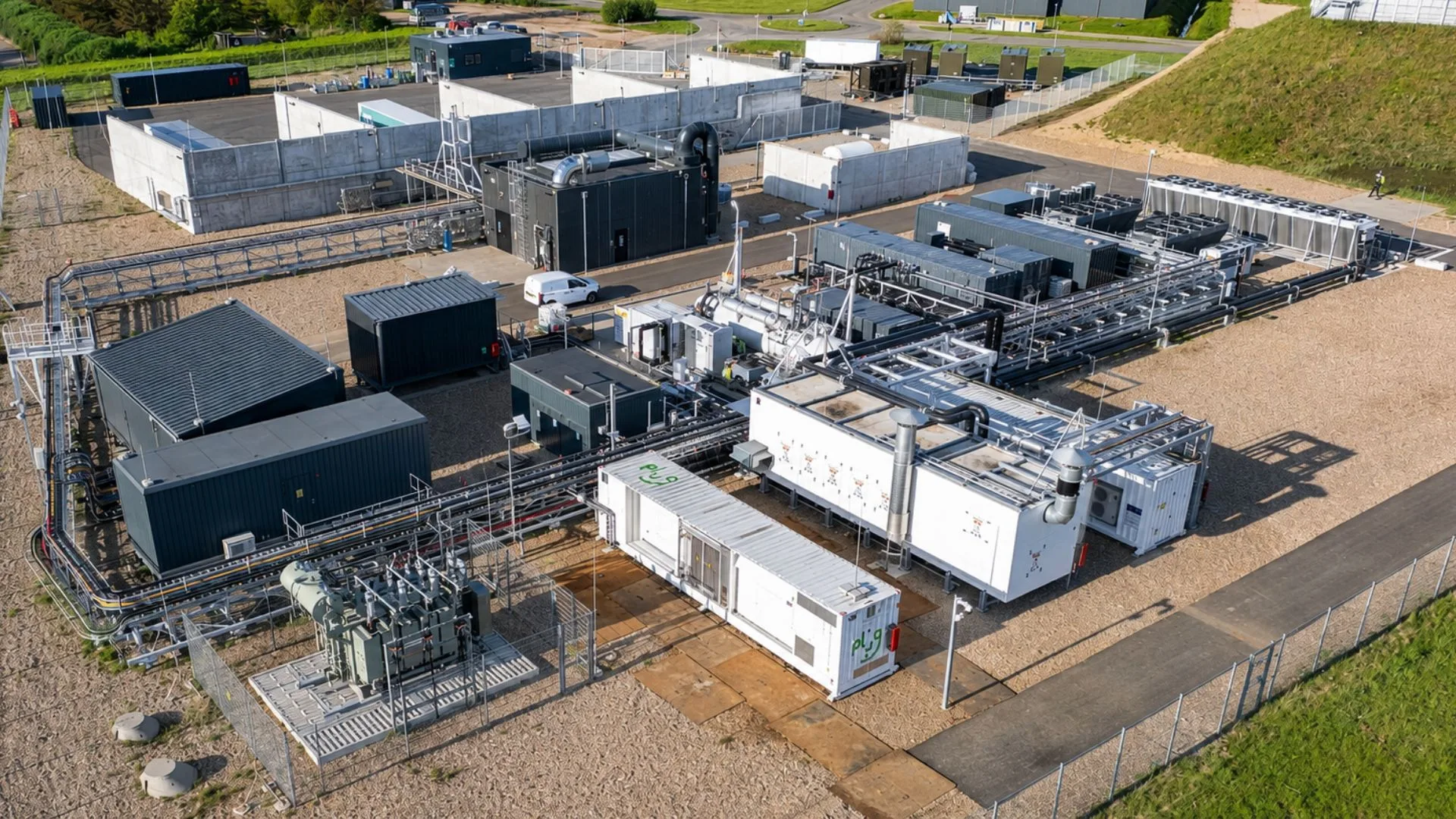
The agreement includes the joint operation of two wind turbines with a combined capacity of 16 MW, a 5 MW and 20 MWh battery energy storage system (BESS), and two electrolyzers with a total power of 8.1 MW intended for the production of green hydrogen.
This is the first time that European Energy has implemented a scheme in which electricity generation, energy storage and flexible electricity consumption are optimized under a single energy balance responsibility agreement.
According to the company, this configuration allows for better use of available renewable energy and adapts the system’s operation to changing conditions in the electricity market and the grid.
Integration of green hydrogen and energy storage
Under this operating model, Twig Energy will be responsible for managing the energy flows between the wind turbines, the BESS system, and the electrolyzers.
In this way, the electricity generated can be stored in batteries, used to produce renewable hydrogen, or exported to the electrical grid depending on market prices and real-time operational needs.
The ability to switch between these options provides greater flexibility to the energy system and facilitates the integration of variable renewable sources such as wind power.
Måde Park as a Power-to-X platform
The project stands out for its Power-to-X approach, a strategy that uses renewable electricity to produce low-emission fuels and energy carriers.
In this case, the green hydrogen generated by electrolysis is intended for industrial applications and can contribute to reducing the use of fossil fuels in sectors that are difficult to electrify.
Likewise, the combination of energy storage and hydrogen production helps to absorb surplus renewable generation and improves the use of the grid connection infrastructure.
Automated optimization to respond to the market
Representatives from European Energy pointed out that the increasing complexity of renewable energy systems requires advanced management and control tools.
For its part, Twig Energy will develop automated mechanisms capable of analyzing multiple operational variables in real time to optimize the performance of the hybrid fleet. This approach aims to reduce operating costs, improve system efficiency, and minimize potential errors associated with manual processes.
Furthermore, the Måde facility shares a single connection to the electrical grid among its components, a feature that increases operational challenges but also opens up new opportunities to provide grid support services.
Next steps of the project
The three main components of the hybrid park are already installed and operational. Over the next few months, European Energy and Twig Energy will continue the process of optimizing the installation to maximize its performance.
The project is part of European Energy’s international strategy to expand its activities in Power-to-X solutions and integrated renewable energy systems, reinforcing more flexible energy models capable of combining generation, storage and hydrogen production within the same industrial platform.
Source and photo: Europeanenergy