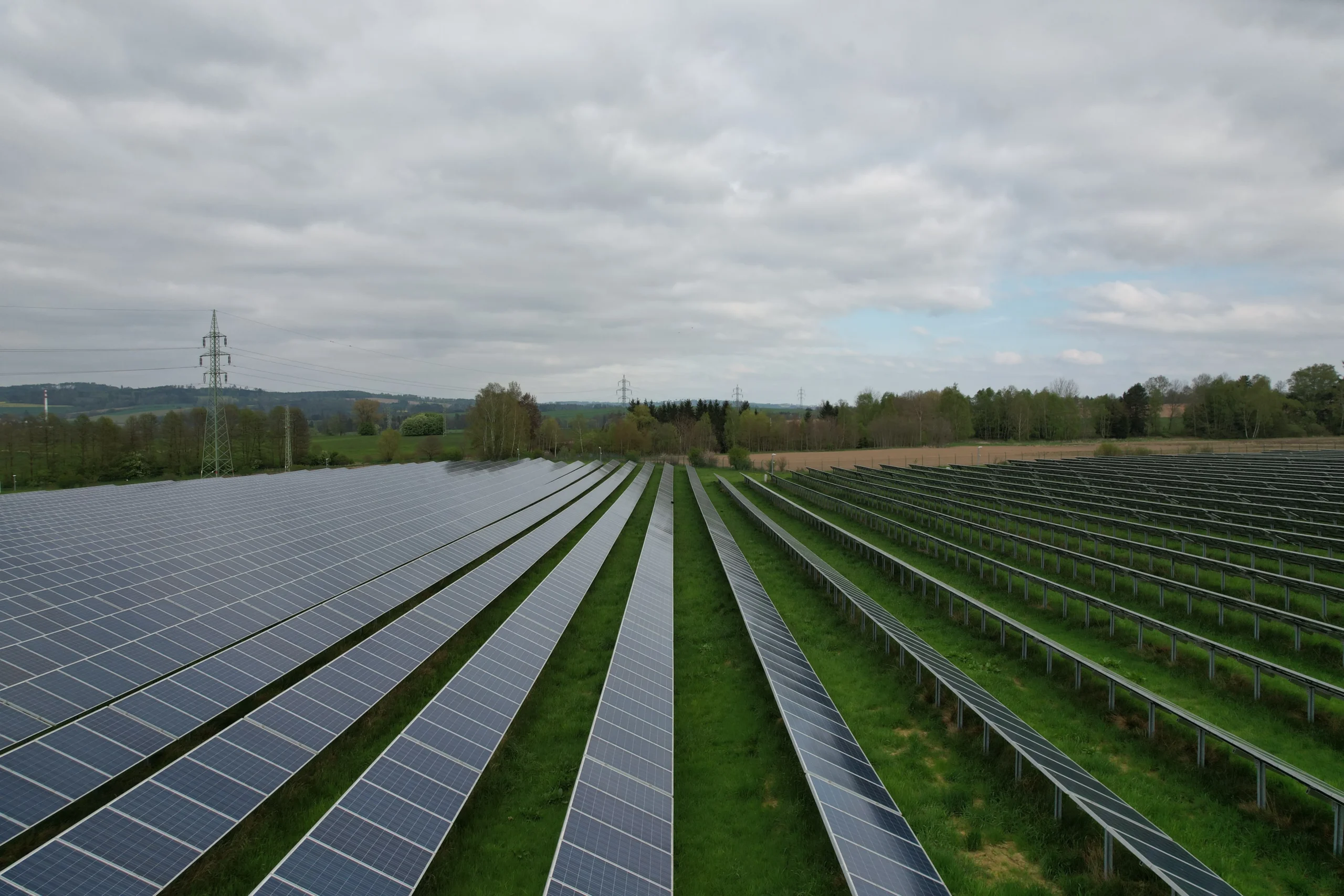
The European Union restricts access to public funding for certain Chinese solar inverters used in large photovoltaic projects. The measure could benefit European manufacturers such as SMA Solar and modify a market dominated in recent years by Asian suppliers.
The decision affects investors in large-scale solar installations from countries considered high-risk, China is in that group along with Russia, Iran, and North Korea.
The European objective is related to the security of its electrical infrastructure, modern inverters can be connected to the internet and play an essential role in managing the electricity generated by solar panels.
SMA Solar reduces its dependence on Chinese solar inverters
SMA Solar, for its part, believes that the new conditions may increase demand for equipment manufactured by European suppliers.
Jürgen Reinert, CEO of the German company, explained that about a fifth of the solar projects larger companies receive EU funding. In these cases, restrictions can directly affect the selection of suppliers.
According to their estimates, SMA Solar could achieve a market share of close to 10% in the European large-scale solar energy market.
In addition, the company is already in talks with potential clients who previously bought investors from Chinese manufacturers.
Huawei and Sungrow control a large part of the supply
Currently, China’s weight in this segment is considerable, manufacturers led by Huawei and Sungrow supplied around 70% of the inverters used in Europe in recent years.
This concentration has increased European dependence on foreign equipment while increasing the amount of solar energy integrated into the electricity grid.
Therefore, the restrictions also introduce an industrial component, projects that depend on European funding will have to resort to suppliers that meet the new requirements, and manufacturers in the region could capture a larger share of future installations.
The restrictions could affect at least 14 GW of solar power
According to Reuters calculations based on the current pace of deployment, the restrictions could affect at least 14 gigawatts of new solar capacity in the European Union.
However, the shift between providers will not be immediate, Reinert anticipates that the picture will become clearer by early 2027 as developers adapt their purchasing and financing processes.
Furthermore, the scope of the measure is related to the origin of the funds, its direct effect is concentrated on solar projects subject to European public funding.
SMA Solar reduces its dependence on Chinese components
Meanwhile, SMA Solar has reduced its reliance on the Chinese supply chain, currently sourcing between 2% and 4% of the components used in its products from China solar inverters large scale.
This proportion leads the company to consider the risk of disruptions in the face of possible retaliatory measures to be limited.
The evolution of the market will now depend on how solar developers incorporate the new European regulations. For regional manufacturers, the restrictions open up space in a segment where Chinese suppliers have maintained a dominant position.
At the same time, for the European Union the issue goes beyond the origin of the equipment; inverters are components connected to an electrical infrastructure that is gaining importance as photovoltaic generation increases.
Source: Reuters
Photo: Shutterstock