Table of Contents
The energy multinational Equinor has confirmed the definitive cessation of all its operations linked to the offshore wind energy sector in Japan. This corporate decision will entail the definitive closure of its commercial headquarters in Tokyo, projected for the end of 2026.
The management of the Norwegian firm argues that this move responds to a thorough reassessment of its business priorities on a global scale. The main objective is to concentrate financial and operational resources in integrated energy markets with greater prospects for profitability in the medium term.
The exit and strategic realignment of offshore wind energy
Despite the operational pullback in the Asian archipelago, the organization’s spokespersons noted that the technical expertise accumulated during its time in the country will serve to strengthen the corporation’s global projects.
Engagement with local authorities, business partners, and coastal communities provided high-value regulatory and technological learning for the firm’s future international tenders. Likewise, the entity insisted that the physical exit does not imply an absolute break with the region’s industrial stakeholders.
The cessation of wind infrastructure development activities along Japan’s coasts alters the company’s portfolio, but leaves other strategic business lines intact. Executives stated that the Asian nation remains a territory of high economic relevance for its long-term financial plans.
The organization expects to keep its investment channels and technical cooperation with Japanese corporations active in key sectors such as technological development, raw material supply, and capital markets. In this way, the global supply chain will continue to count on strong participation from Japanese-origin suppliers, ensuring the continuity of existing supply contracts.
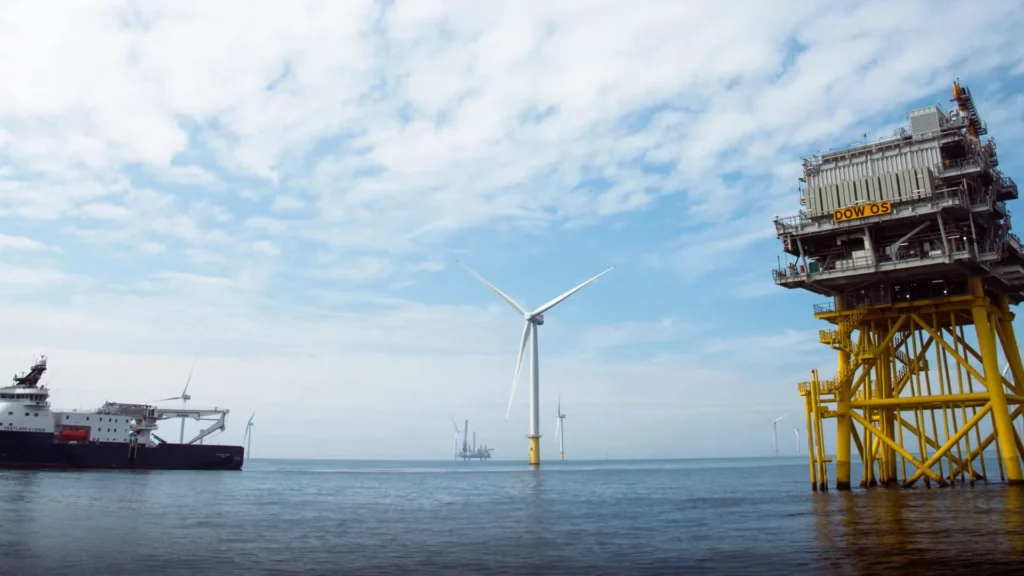
Source and photo: Equinor