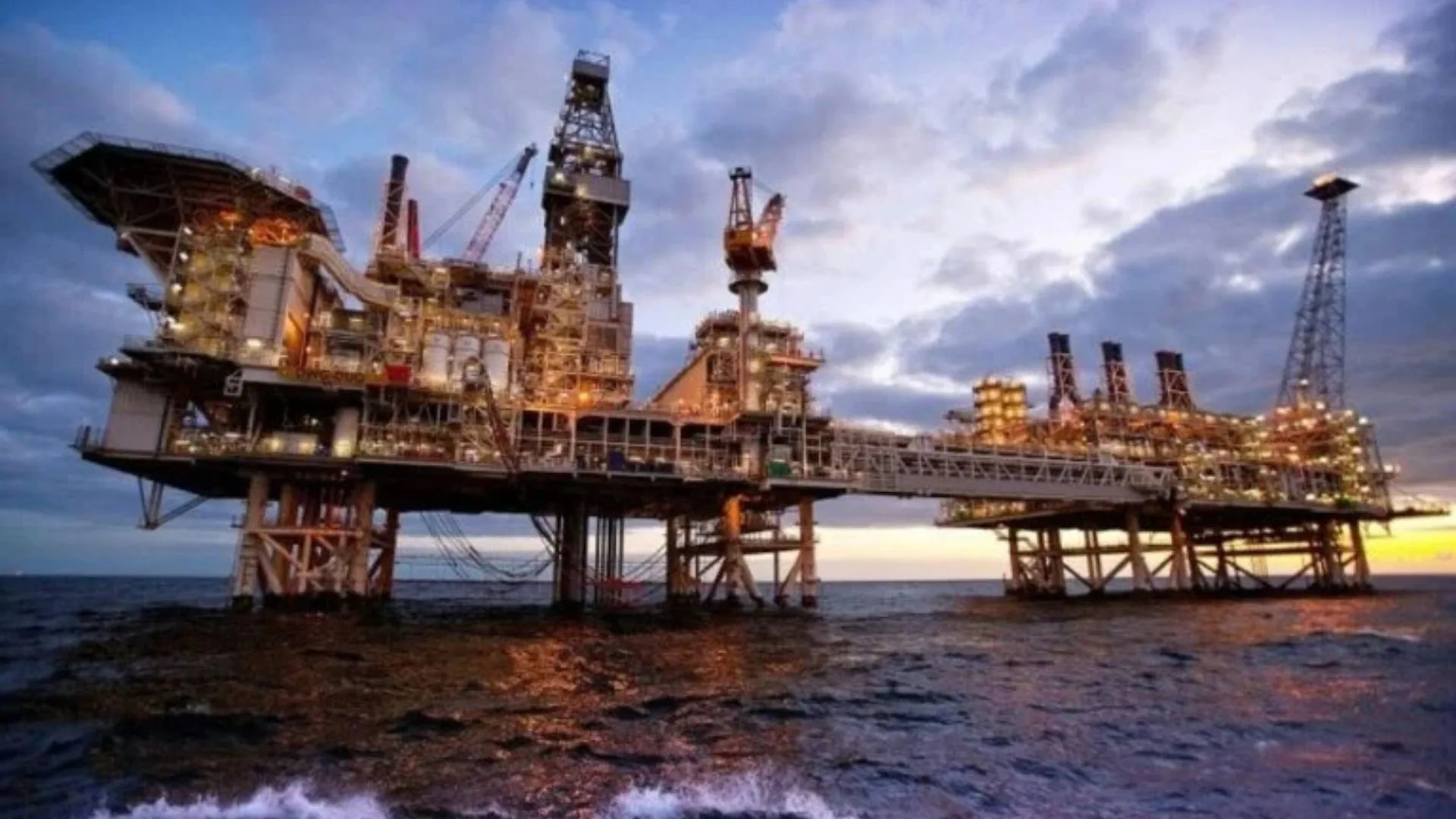
Emerson it received a multi-million dollar contract from BP to supply automation technologies to the Shah Deniz Compression (SDC) project, developed off the coast of Azerbaijan in the Caspian Sea.
The agreement covers integrated control and safety systems for a new, normally unattended, electric offshore compression platform. This facility will be a central component of the $2.9 billion project to maintain production at the Shah Deniz field.
Emerson will automate Shah Deniz Compression operations
Specifically, Emerson will supply technology to control processes, manage energy, and execute safety shutdown functions; the scope also includes fire and gas detection systems.
Automation will allow for real-time monitoring of critical platform operations and remote management. With this, BP aims to maintain high levels of safety, reliability, and efficiency throughout the installation’s lifecycle.
Furthermore, the technological scope includes the distributed control system DeltaV and the safety instrumented system DeltaV from Emerson. The company will also incorporate cloud engineering and digital twin technologies to conduct virtual testing, integrate systems, and support operator training.
Emerson has maintained a relationship of more than a decade with Shah Deniz as the main automation contractor; the company also participated in Shah Deniz Stage 2 and the Azeri Central East development.
An offshore platform operated remotely from Sangachal
Furthermore, Shah Deniz Compression will incorporate an electrically powered compression platform designed to operate normally without personnel. The facility will be located approximately 3 kilometers from Shah Deniz Bravo in water about 85 meters deep.
The platform will feature four 11 MW compressors and will act as a compression center for gas from Shah Deniz Alpha and Shah Deniz Bravo.
Operations will be remotely controlled from BP’s Sangachal land terminal, located approximately 55 kilometers south of Baku. The gas produced in the platforms it will go through the SDC facility for compression before heading to the terminal.
The project also includes associated facilities in the Shah Deniz contract area and work on existing infrastructure in Shah Deniz Alpha, Shah Deniz Bravo and Sangachal.
Shah Deniz Compression will allow more gas to be recovered from the Caspian Sea
The project aims to access lower-pressure gas reserves as the Shah Deniz field matures expects the new compression capacity to help retain production and maximize recovery hydrocarbons.
According to project estimates, Shah Deniz Compression will allow the production and export of around 50 billion additional cubic meters of natural gas and approximately 25 million barrels of condensate.
The Shah Deniz consortium is made up of BP as the operator with 29.99%, Lukoil with 19.99%, TPAO with 19%, Southern Gas Corridor Upstream with 16.02%, NICO with 10% and MVM with 5%.
The Shah Deniz Compression project is progressing towards 2029
Currently, engineering and manufacturing work continues on several fronts, Ilgar Mammadov the project’s general manager, BP, indicated that development had reached nearly 30% ahead and had around 2,700 people mobilized.
Construction is scheduled to be completed in 2029, and the first compression of gas from Shah Deniz Alpha is expected to begin that same year, while Shah Deniz Bravo will be incorporated in 2030.
With the award to Emerson, incorporates the systems that will allow remote operation of one of the central facilities of this new phase of Shah Deniz and integrated management of its control, security and power supply.
Fuente: Offshore Energy
Foto: Bp