360 TWh clean energy projects were ruled out by China during the first half of 2026 as its electricity grids struggle to absorb the rapid growth of solar and wind power generation.
During the first six months of the year, the country would have missed out on some 360 terawatt hours (TWh) of clean energy according to estimates from the Global Energy Monitor (GEM) and the Centre for Research on Energy and Clean Air (CREA), the figure represents a 49% increase compared to the same period last year.
The amount of renewable electricity wasted would be enough to cover Mexico’s electricity consumption for approximately a year. The problem arises when available solar and wind power production exceeds the system’s capacity to transmit or consume it.
China wastes 360 TWh due to the limitations of its electricity grid
These generation cuts, known in the sector as curtailment they consist of deliberately reducing or disconnecting solar or wind power plants when the electrical grid cannot receive all of their production.
In China, the situation is related to insufficient transmission infrastructure in the face of rapid growth in the renewable energies in addition, there are supply contracts that keep new coal-fired power plants operational.
Therefore, the expansion of solar and wind power capacity is progressing at a faster pace than some of the infrastructure needed to transport and manage that electricity.
Official data shows a less severe situation, China National Energy Administration he indicated that during the first six months of 2026, restrictions were placed on 8.6% of solar production and 9.1% of wind power generation.
However, GEM and CREA estimate that the cuts reached approximately 26.1% of all wind and solar generation of the country during that period. Its methodology uses information adjusted for weather conditions to estimate restrictions that might not appear in official records.
Battery storage is gaining importance
Furthermore, restrictions begin to alter investment decisions, when a plant does not know what percentage of its production it can actually deliver to the grid, it becomes more complex to estimate its income and evaluate its profitability.
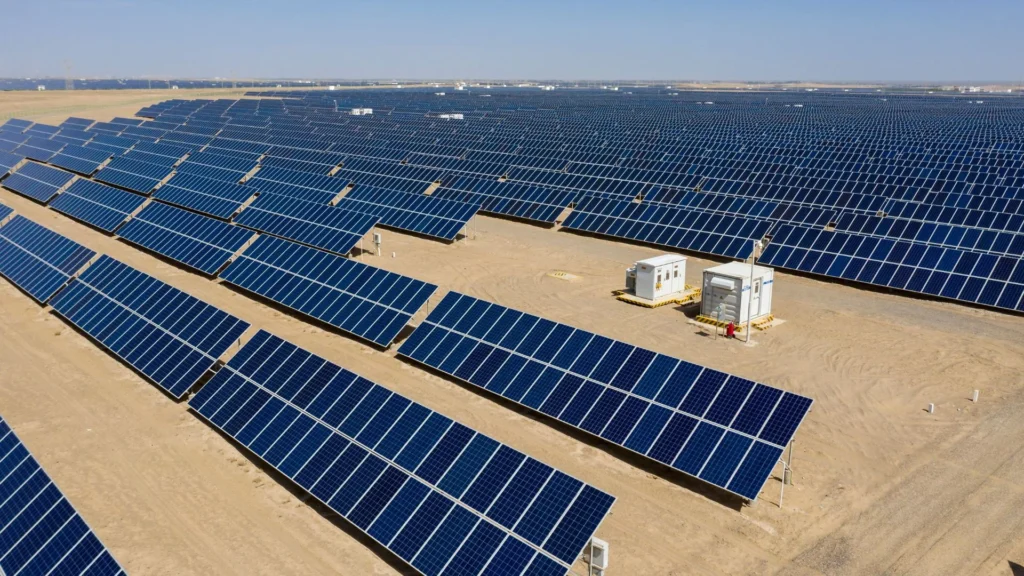
The market is responding with greater integration of energy storage instead of developing independent photovoltaic installations, some projects incorporate batteries capable of storing electricity during periods of saturation and delivering it later.
This combination o fsolar energy and storage it allows for reduced exposure to generation cuts and better use of existing electrical infrastructure.
At the same time, China eliminated the guaranteed fixed price scheme for new renewable energy projects. The restrictions and policy change have coincided with a drop in 66% of new solar installations during 2026.
Meanwhile, coal-fired power generation is expected to grow again this year after previously registering its first decline in a decade.
Australia, Japan, and India are also cutting renewable energy
The challenge is far from limited to China, other electrical systems with a rapid incorporation of solar and wind power are registering an increase in generation constraints.
In Australia’s National Electricity Market, cuts increased by 37% during the first half of 2026 until reaching 2.93 TWh. That amount represents approximately 7% of its combined solar and wind energy production.
On the other hand, Japan rejected some 2,35 TWh, an increase of 34% that represents approximately 4% of its renewable generation.
India also presents significant figures, the world’s third largest solar generator restricted 8.13 TWh of photovoltaic electricity during the quarter ending in June. That volume is equivalent to 14% of its solar production during those three months.
Furthermore, the growth of these cuts shows that installing more solar panels and wind turbines represents only one part of the energy challenge. Transmission networks, storage systems, and the capacity to move electricity between regions must grow alongside generation.
Batteries can alleviate grid overload
Storage emerges as one of the main tools for reducing waste clean energy batteries allow for the absorption of surplus energy when renewable generation exceeds demand or the available capacity of the grid.
Chile offers a reference for this strategy, during 2025 the country incorporated around 4 GWh of battery storage more than doubling its installed capacity. A significant portion of these systems were located next to solar plants to take advantage of electricity that might otherwise be restricted.
For China, the challenge will be even greater due to the scale of its electrical system, the country leads the world in the deployment of solar energy, but this expansion requires new transmission lines, storage, and more flexible grid operation.
Thus, the growth of renewables poses a new challenge for electrical systems, increasing solar and wind capacity remains important, but ensuring that this electricity can be stored, transported, and delivered to consumers will be a crucial part of the energy transition.
Source: Reuters
Photo: Shutterstock