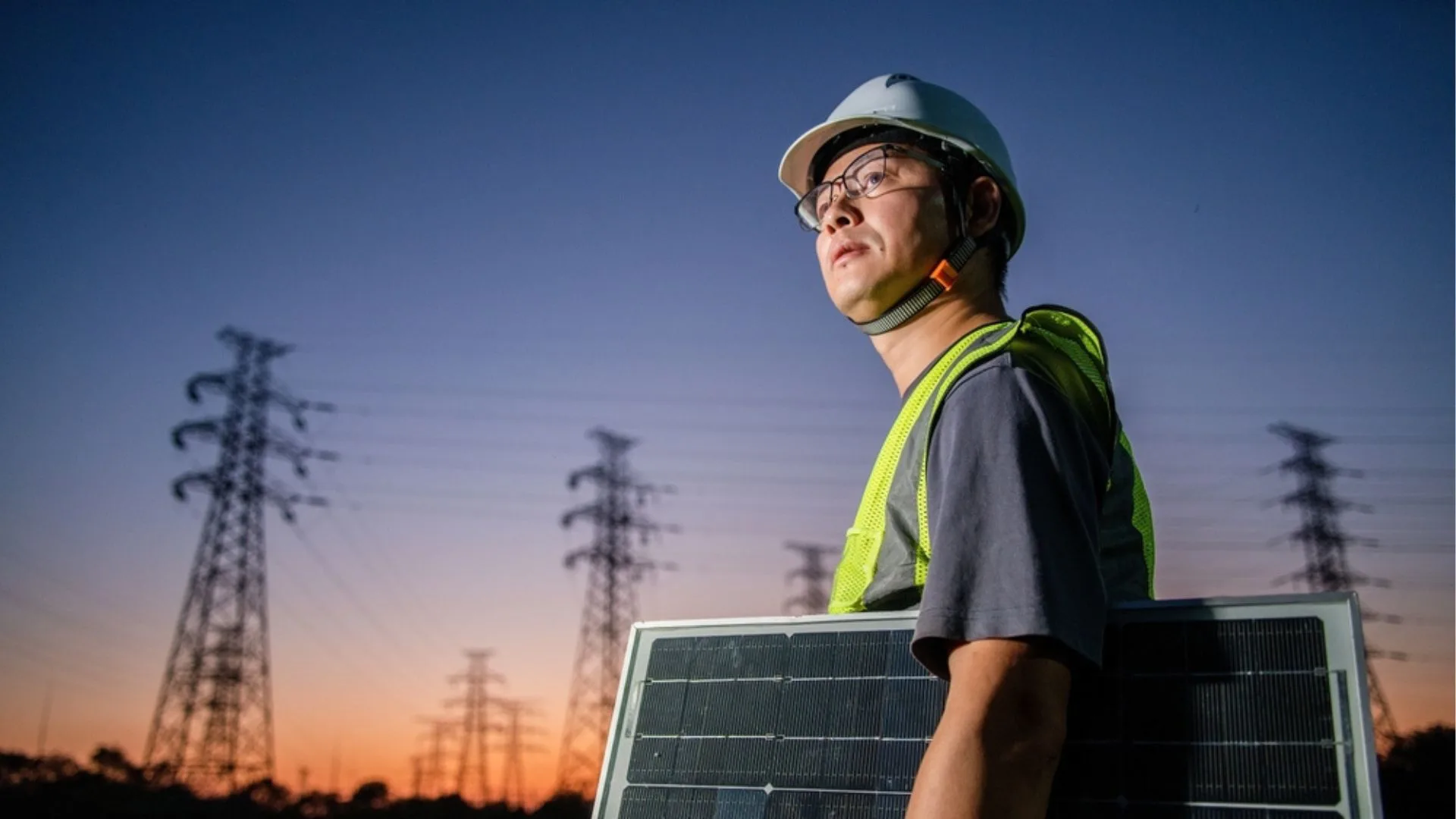
The British energy transition reduces exposure to imported fossil fuels while increasing China’s weight in solar panels, batteries, and inverters.
Cleve Hill Reflects the New Energy Dependence
Britain is accelerating the deployment of renewable energy to reduce its dependence on imported gas and oil. However, much of the technology required for that shift comes from China.
The Cleve Hill solar farm in Kent is a clear example. It has a capacity of 370 MW and approximately 550,000 solar panels manufactured by Trina Solar. Its battery systems and inverters come from CATL and Huawei respectively.
Thus, the country produces more electricity within its borders but continues to depend on foreign manufacturers to build part of its new energy infrastructure.
China Dominates the Solar Supply Chain
China concentrates a very high share of global clean technology manufacturing. Data cited by The Telegraph place its participation at around 97% of solar wafers, 92% of cells, and 86% of panels.
This industrial scale has helped reduce the prices of solar energy and batteries. At the same time, it generates a strong concentration of suppliers.
Therefore, rapidly replacing Chinese equipment could increase costs and delay new renewable projects.
Chinese Technology in Batteries and Inverters Raises Concern
Furthermore, the dependence is not limited to solar panels. Batteries and inverters are increasingly important components of the electrical grid.
Some specialists warn of potential risks associated with cybersecurity and the control of connected equipment. Other industry actors consider that these risks can be reduced through technical requirements and improved protection systems.
United Kingdom Seeks to Diversify Suppliers
The challenge for Britain does not necessarily consist of manufacturing all the technology within the country. The strategy involves deciding which components are strategic and where it is advisable to strengthen domestic production.
Likewise, diversifying suppliers could reduce exposure to trade disputes, export restrictions, and disruptions in international supply chains.
The British energy transition therefore poses a new balance: reducing dependence on fossil fuels without creating excessive dependence on Chinese energy technology.
Source: Energy Live News
Photo: Shutterstock