BHP and the Global Centre for Maritime Decarbonization (GCMD) have launched a pilot project to demonstrate the operational viability of marine biofuels produced from different feedstocks. The initiative involves using a B100 blend made from used cooking oil and residual animal fats in an existing supply chain.
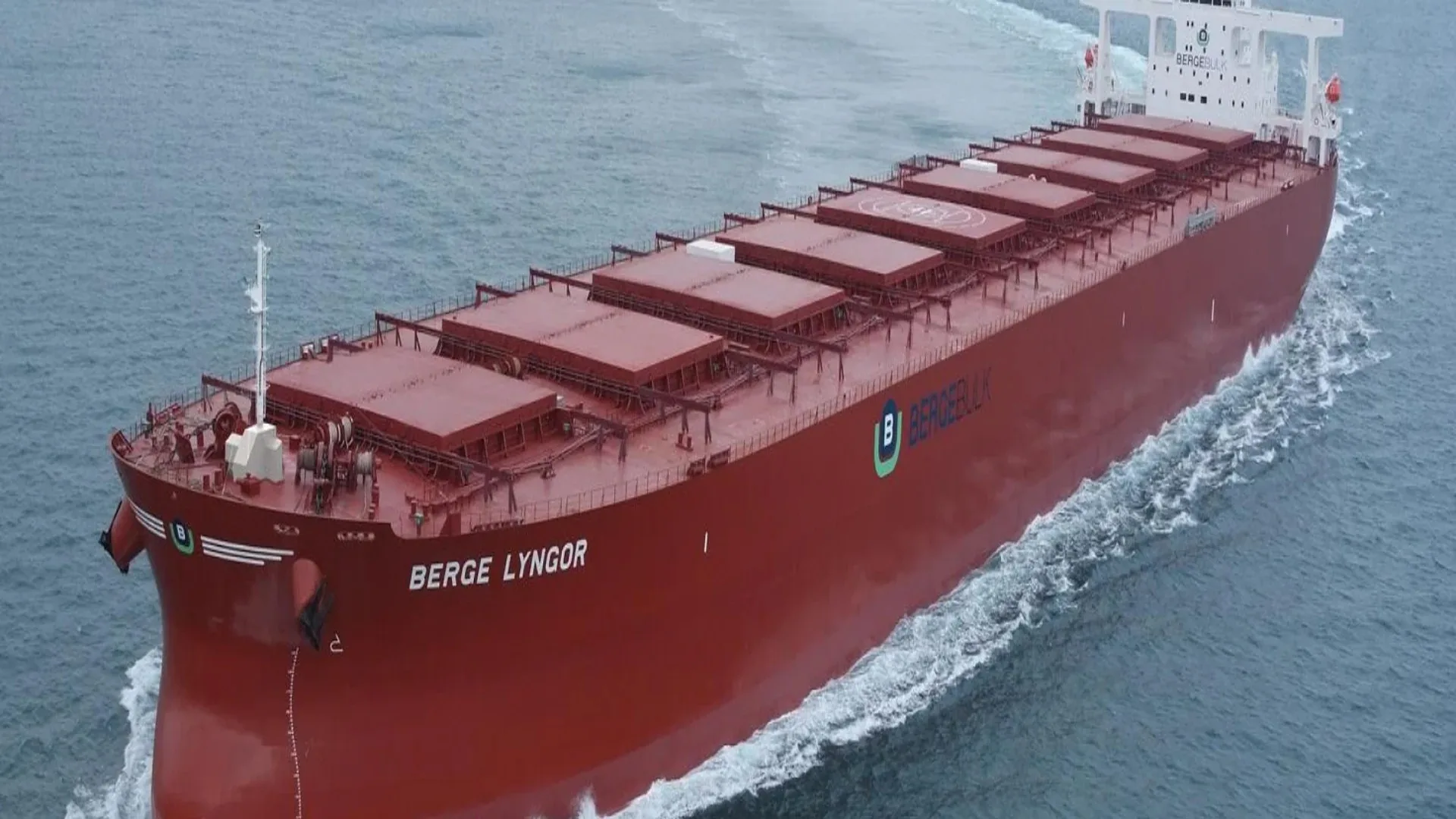
The trial is taking place aboard the bulk carrier Berge Lyngor, owned by Berge Bulk and chartered by BHP to transport iron ore from Western Australia to China. With this trial, both organizations aim to gather crucial information on integrating renewable fuels into real-world commercial maritime operations.
Assessment of low-emission marine fuels
Currently, a large portion of the biofuels used by the maritime sector come from used cooking oil. However, the availability of this raw material faces limitations that could hinder its widespread adoption in the future.
Given this scenario, the project analyzes the potential of residual animal fats as an alternative to expand the supply of sustainable marine fuels. The mixture used in the trial consists of 50% biodiesel derived from animal tallow supplied by HAMR Energy and 50% used cooking oil methyl ester (UCOME) provided by Mitsui & Co Energy Trading Singapore.
In addition, the blending operation was carried out by Mitsui while Dan-Bunkering coordinated the supply using Global Energy’s MT Maple barge in Singapore.
Technical challenges for the adoption of biofuels
One of the main objectives of the pilot project is to evaluate the behavior of biofuels from different raw materials under real operating conditions.
Among the aspects to be analyzed are fuel quality, handling procedures, product traceability, and the performance of onboard propulsion systems. Potential risks associated with phenomena such as oxidation, which can promote corrosion and the formation of paraffins capable of causing blockages in fuel systems, will also be studied.
Likewise, the results will allow for a better understanding of how to integrate various biofuel blends into current supply chains without requiring significant modifications to existing infrastructure.
Emission reduction and strengthened traceability
The program includes comprehensive monitoring of the mixture used to verify its integrity throughout the entire supply chain. This methodology aims to strengthen the credibility of greenhouse gas emission reduction reports.
According to project estimates, the use of this B100 blend has the potential to reduce greenhouse gas emissions by approximately 79% per voyage compared to the use of very low sulfur fuel oil (VLSFO), considering the complete cycle from fuel production to its use on the ship.
The information obtained will also be used to develop future supply schemes where biofuels from multiple raw materials with different emission profiles coexist throughout their life cycle.
BHP promotes the future of marine biofuels
For BHP, one of the world’s largest users of bulk shipping, the trial represents an opportunity to promote new fuel options that can complement other decarbonization alternatives such as liquefied natural gas and ammonia.
For its part, GCMD believes that the experience accumulated in previous projects provides a solid basis for validating the incorporation of alternative raw materials in the supply of marine fuel.
The project has the financial backing of the Maritime and Port Authority of Singapore through the Maritime Technology and Innovation Fund (MINT), reinforcing the Asian country’s role as an invention hub for the energy transition of maritime transport.
Source and photo: Bhp