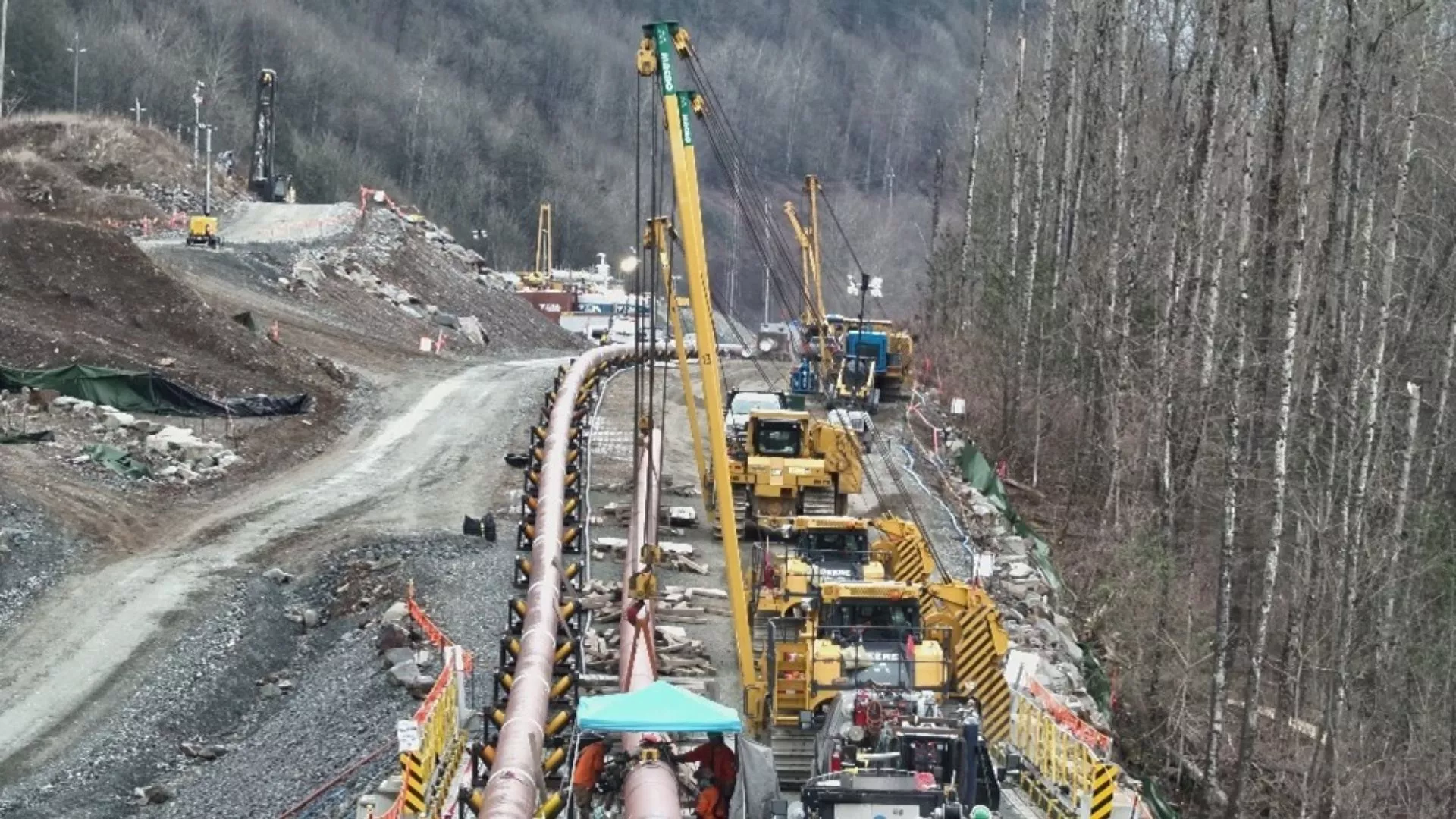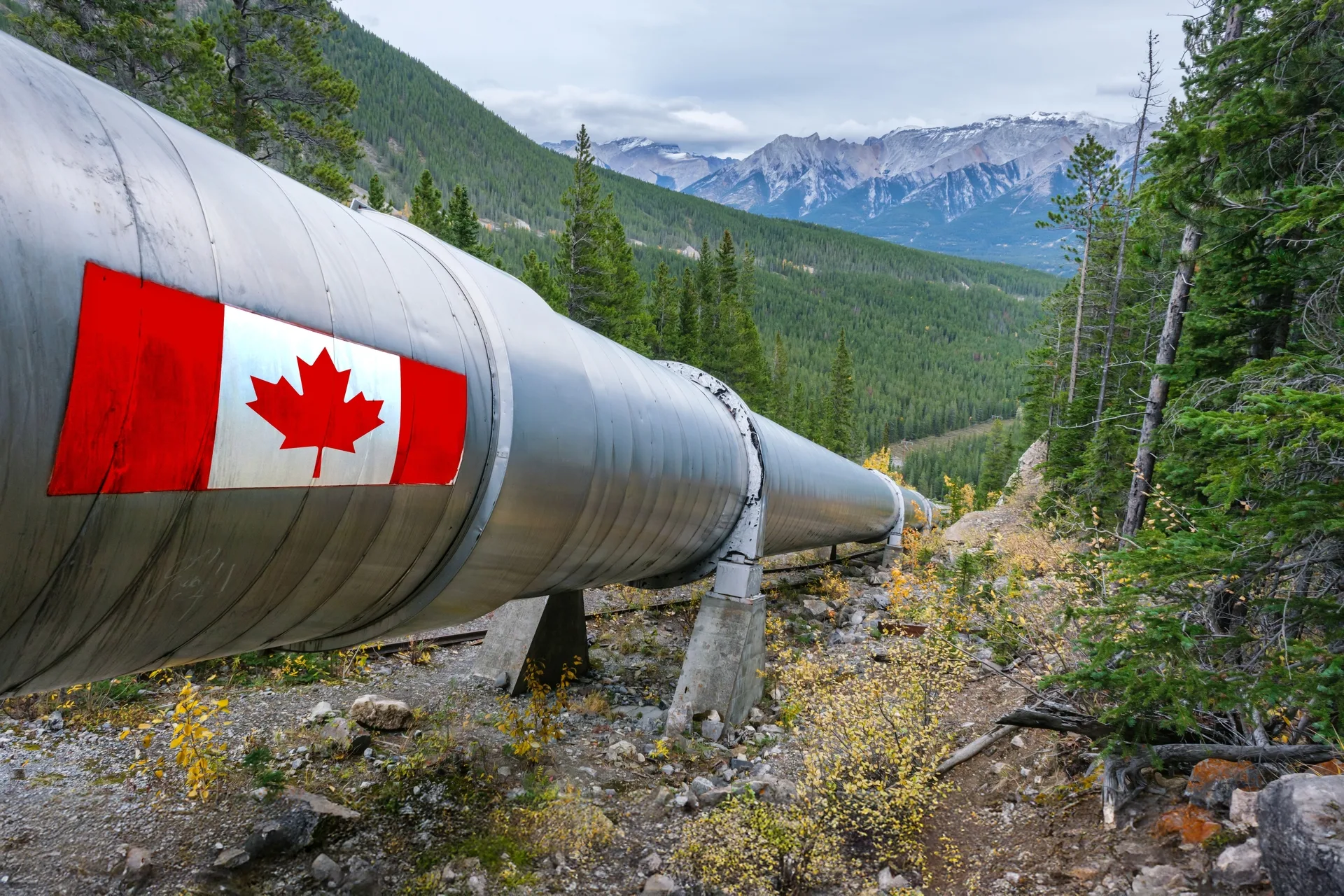
Transport infrastructure is one of the most significant factors influencing the competitiveness of the oil industry.
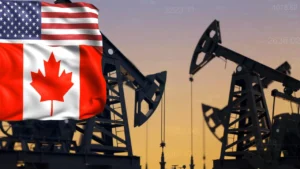
Based on this premise, the governments of Alberta and Ontario announced the initiation of a feasibility study to develop a new pipeline approximately 3,300 kilometers long between Hardisty, Alberta, and the Sarnia refining complex in Ontario.
The initiative contemplates an initial transport capacity of 500,000 barrels per day, with the possibility of expanding it to 800,000 barrels per day in later stages.
Transport Infrastructure Also Determines Resource Value
In the hydrocarbon industry, the availability of reserves alone does not guarantee market access. The ability to transport crude from production areas to processing centers, consumption points, or export terminals is a decisive element for the efficiency of the entire supply chain.
In this context, Hardisty plays a strategic role as one of the main oil storage, blending, and dispatch hubs in Western Canada, while Sarnia concentrates a significant refining, petrochemical, and fuel distribution hub for the eastern part of the country.
The direct connection between both corridors would increase the logistical flexibility of the system, facilitating the internal movement of crude to already consolidated industrial facilities.
Alberta and Ontario: Reusing Energy Corridors Strengthens System Resilience
The proposal is framed within a scenario where energy security and supply chain resilience are gaining increasing importance for numerous producing countries.
From a transportation engineering perspective, expanding the pipeline network not only increases crude evacuation capacity but also provides alternative routes to respond to changes in demand, operational restrictions, or modifications in target markets.
Ontario also reported that it is analyzing possible extensions to existing ports and new maritime terminals, a strategy that could expand logistical options for future export and distribution operations.
The study will evaluate the technical and economic viability of the project
The provinces indicated that the feasibility study will be completed before the end of the year. This stage will analyze aspects related to conceptual engineering, economic viability, preliminary routing, and the necessary conditions for project development.
To date, no developer has been appointed to oversee construction. As is common with this type of infrastructure, development will require the participation of an operator with the technical, financial, and regulatory capacity to execute a large-scale project.
The initiative coincides with other recent announcements aimed at expanding Canadian energy infrastructure, reflecting an interest in strengthening the country’s transport capacity through new logistical corridors.
Energy Logistics Becomes a Strategic Asset
Large hydrocarbon transport systems have evolved from simple means of production evacuation to strategic infrastructures capable of influencing a country’s competitiveness.
Their design dictates operational flexibility, integration between producing and consuming regions, refinery utilization, and the ability to respond to changes in energy markets.
In this regard, the proposal presented by Alberta and Ontario highlights the role of midstream infrastructure in long-term energy planning, where connectivity is as important as production capacity itself.
Source: https://www.reuters.com/
Photo: Shutterstock