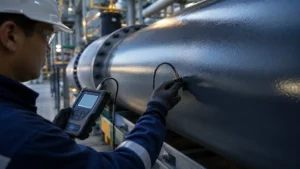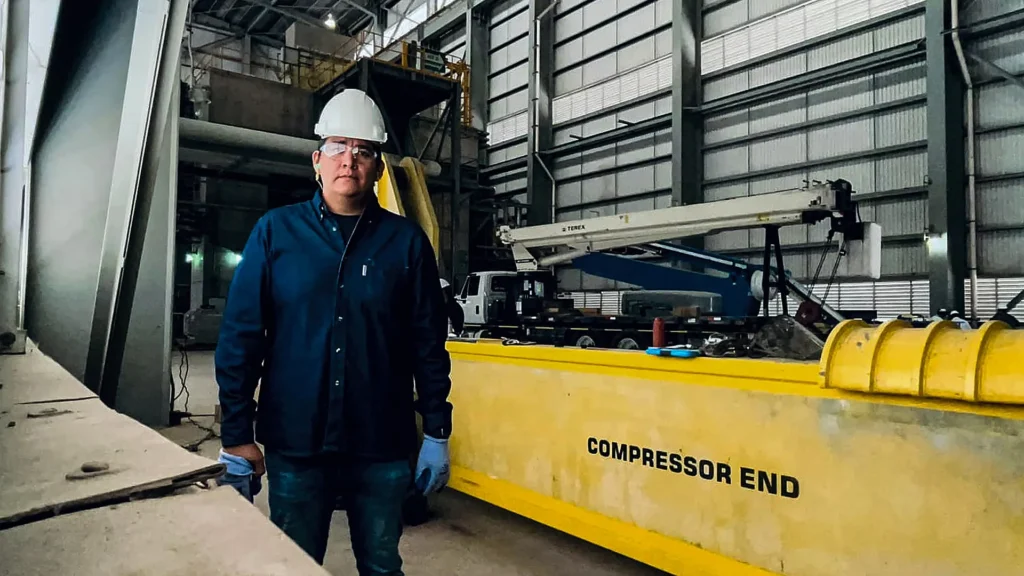
In virtually every industry where steel forms part of the infrastructure—energy, oil and gas, transportation, civil infrastructure, the maritime industry, or manufacturing, corrosion represents one of the most significant technical and economic challenges.
It is estimated that the global costs associated with corrosion represent several percentage points of the world’s GDP. For this reason, protection through anticorrosive coatings continues to be one of the most widely used strategies to extend the service life of structures and equipment.
However, field reality reveals something important: many failures in coating systems are not due to poor application, but to decisions made long before the first coating is applied tocoating is applied to the surface.
Incorrect system selection, chemical incompatibilities between layers, poorly written technical specifications, or misinterpreted service environments are often the true causes behind many systems that fail prematurely.
It is precisely at this point that a professional figure little known outside the specialized technical field becomes relevant: the Protective Coating Specialist (PCS).
This professional pathway is structured into three main levels:
- C1
- C2
- Protective Coating Specialist (PCS)
Contrary to what many people believe, C1 is not limited to inspection fundamentals. This level introduces a solid technical foundation that includes coating chemistry, corrosion mechanisms, exposure environments, and compatibility between systems.
It is at this point that many professionals begin to understand that coatings are not simply “paint,” but complex chemical systems designed to interact with the environment, the substrate, and other layers within the system.
Subsequently, C2 delves deeper into advanced inspection topics, technical leadership in the field, and coating project management. At this level, aspects related to planning, cost control, project estimation, and technical decision-making are incorporated, fundamental elements when working with large scale industrial assets.
However, even with highly trained inspectors, there are situations where an additional level of technical analysis is required.
Especially when questions arise such as:
• Why did this coating system fail earlier than expected?
• Is an epoxy system compatible with a previously applied coating?
• What system should be specified for a severe marine environment?
• What is the most efficient maintenance strategy from a technical and economic perspective?
Answering these types of questions requires more than inspection. It requires depthdepth technical analysis.
The protective coating specialist: A profile for decision making
The Protective Coating Specialist (PCS) certification, granted by AMPP, represents the most advanced level within this professional pathway. Unlike inspection levels, PCS is aimed at professionals capable of analyzing, designing, and making complex technical decisions related to anticorrosive protection systems.
The certification process is widely recognized in the industry for its high level of difficulty, comparable to expert-level or Level III certificationscomparable to expert-level or Level III certifications in other technical disciplines.
Candidates must demonstrate proficiency in areas such as:
• Corrosion science
• Coating chemistry
• Compatibility between coating systems
• Coating failure analysis
• Development of technical specifications
• Evaluation of exposure environments
• Quality control and quality assurance
• Corrosion protection project management
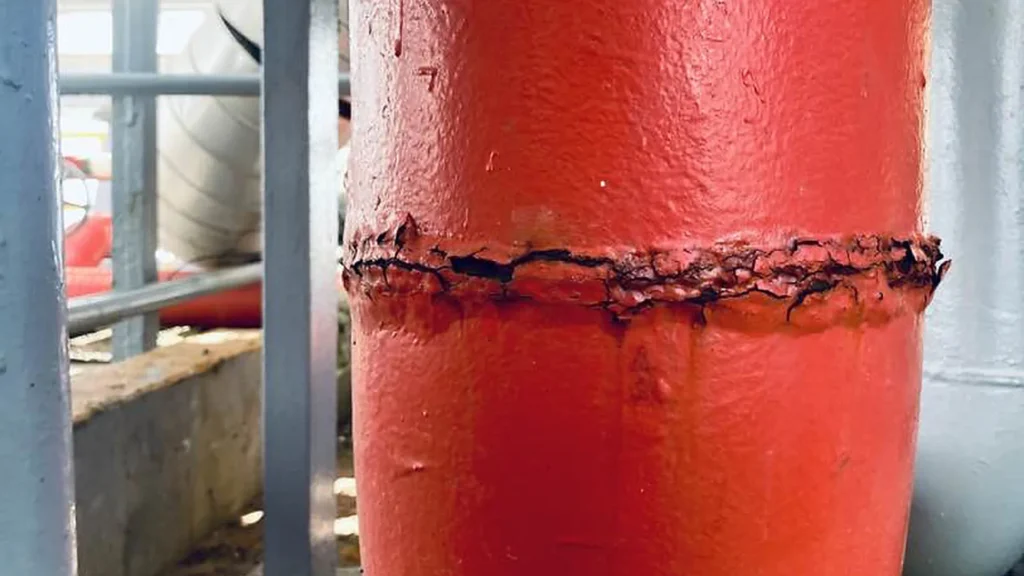
One of the fundamental pillars for this certification is failure analysis. Understanding why a coating system fails requires integrating knowledge of chemistry, corrosion, metallurgy, environmental conditions, and application practices.
In many cases, the correct diagnosis of a failure is only possible when years of field experience are available, observing degradation patterns, chemical incompatibilities, or specification errors that are not always evident at first glance.
For this reason, PCS is not a certification obtained solely through study. It is a credential that typically reflects a significant professional experience within the industry.
A natural complement for senior inspectors
Within the coatings field, PCS often becomes a natural complement for experienced inspectors, particularly for those who already hold advanced certifications such as Senior Certified Coating Inspector.
While the senior inspector primarily focuses on verifying compliance with specifications and ensuring quality during application, the Protective Coating Specialist frequently participates in earlier stages of the project.
Among their most common responsibilities are:
• Development of coating specifications
• Compatibility analysis between systems
• Evaluation of corrosion environments
• Participation in engineering projects
• Failure analysis and technical recommendations
• Advising on maintenance strategies
In other words, PCS often participates in the stage where decisions are made that will determine the performance of the system for the next 10, 20, or even 30 years.
Coating surveys and corrosion surveys
Another area where this professional profile becomes particularly valuable is in conducting coating surveys and corrosion surveys.
Coating surveys consist of detailed technical evaluations of the condition of existing coating systems in structures, industrial plants, or infrastructure.
These evaluations may include:
• Specialized visual inspection
• Thickness measurements
• Analysis of system degradation
• Adhesion testing
• Identification of failure mechanisms
• Estimation of remaining service life
On the other hand, corrosion surveys seek to understand the complete environment in which the structure operates.
This may include factors such as:
• Environmental conditions
• Presence of contaminants
• Structural design
• Moisture accumulation
• Interaction with other protection systems
The result of these studies allows the development of maintenance strategies that are more efficient, technically sound, and economically justified.
A rare certification
Due to the technical level required and the experience needed to face the examination, the number of professionals certified as Protective Coating Specialists remains relatively small worldwide.
This makes this certification a highly specialized credential within the field of corrosion engineering and surface protection.
In an industrial environment where asset reliability and maintenance cost optimization are increasingly important, having professionals capable of analyzing corrosion protection systems from a comprehensive perspective becomes a strategic advantage for any organization.
Protective coatings continue to be one of the most effective tools for controlling corrosion in industrial infrastructure. However, their performance largely depends on the quality of the technical decisions made in the early stages of a project.
The figure of the Protective Coating Specialist represents precisely that bridge between inspection, materials engineering, and strategic corrosion management.
In an industry where each decision can translate into decades of performance— or premature failures—having specialists capable of understanding coating chemistry, system compatibilities, and degradation mechanisms is not only valuable.
In many cases, it is decisive for the success of the project.
This article was developed by Jorge Reyna from JSRA and published as part of the eighth edition of Inspenet Brief magazine July 2026, dedicated to technical content of the energy and industrial sector.