Table of Contents
The transfer of Gippsland Basin management from ExxonMobil to Woodside consolidates a strategic shift in the Australian energy sector. This operational transition modifies the direction of the infrastructure without altering the current ownership structure of the fields.
Strategic Infrastructure and the Gippsland Basin
Thus, the Gippsland Basin Joint Venture maintains an equitable 50% stake between Woodside and Esso Australia Resources, an ExxonMobil subsidiary. Furthermore, the Kipper Unit Joint Venture remains under the shared control of both entities along with Mitsui Corporation.
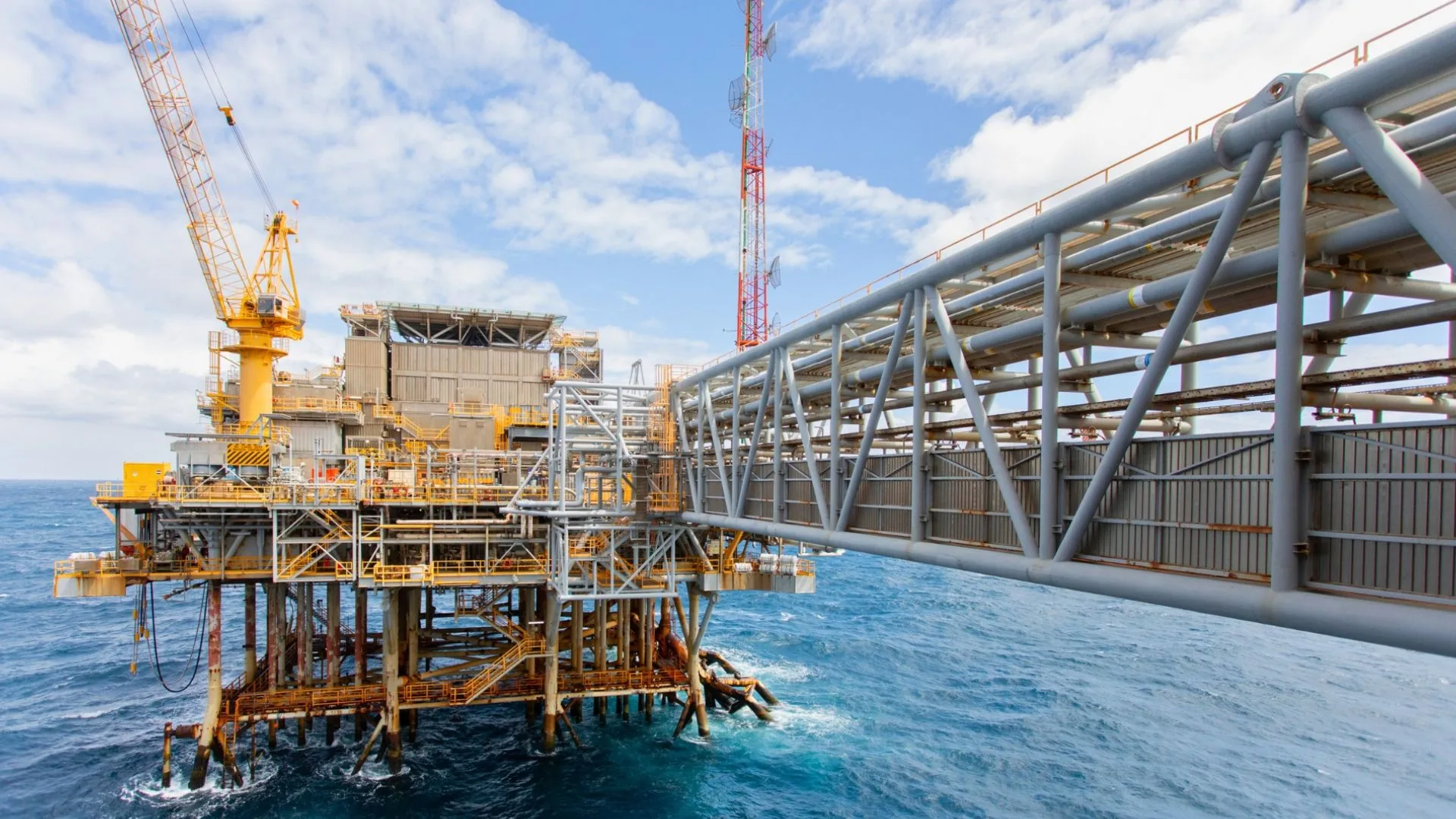
The Gippsland operational complex comprises six active offshore platforms, two onshore processing complexes, a helipad, a shipping terminal, and administrative offices. Approximately 1,200 workers, including direct employees and contractors, are integrated into Woodside’s structure to ensure continuity of processes.
Additionally, the company’s CEO, Liz Westcott, highlighted the strategic value of this geographical return for the organization, which began its oil exploration operations in this same region in 1954.
The production obtained in the basin consistently supplies electricity to homes and industries in Australia’s eastern states. The corporate strategy aims to maintain current supply security while implementing a comprehensive plan for decommissioning old facilities.
Additionally, the technical team is evaluating the potential development of four natural gas fields. If authorities approve these projects, the reserves would contribute up to 200 petajoules of gas to the east coast market, a volume equivalent to Melbourne’s residential consumption over a two-year period.
Source and photo: Woodside