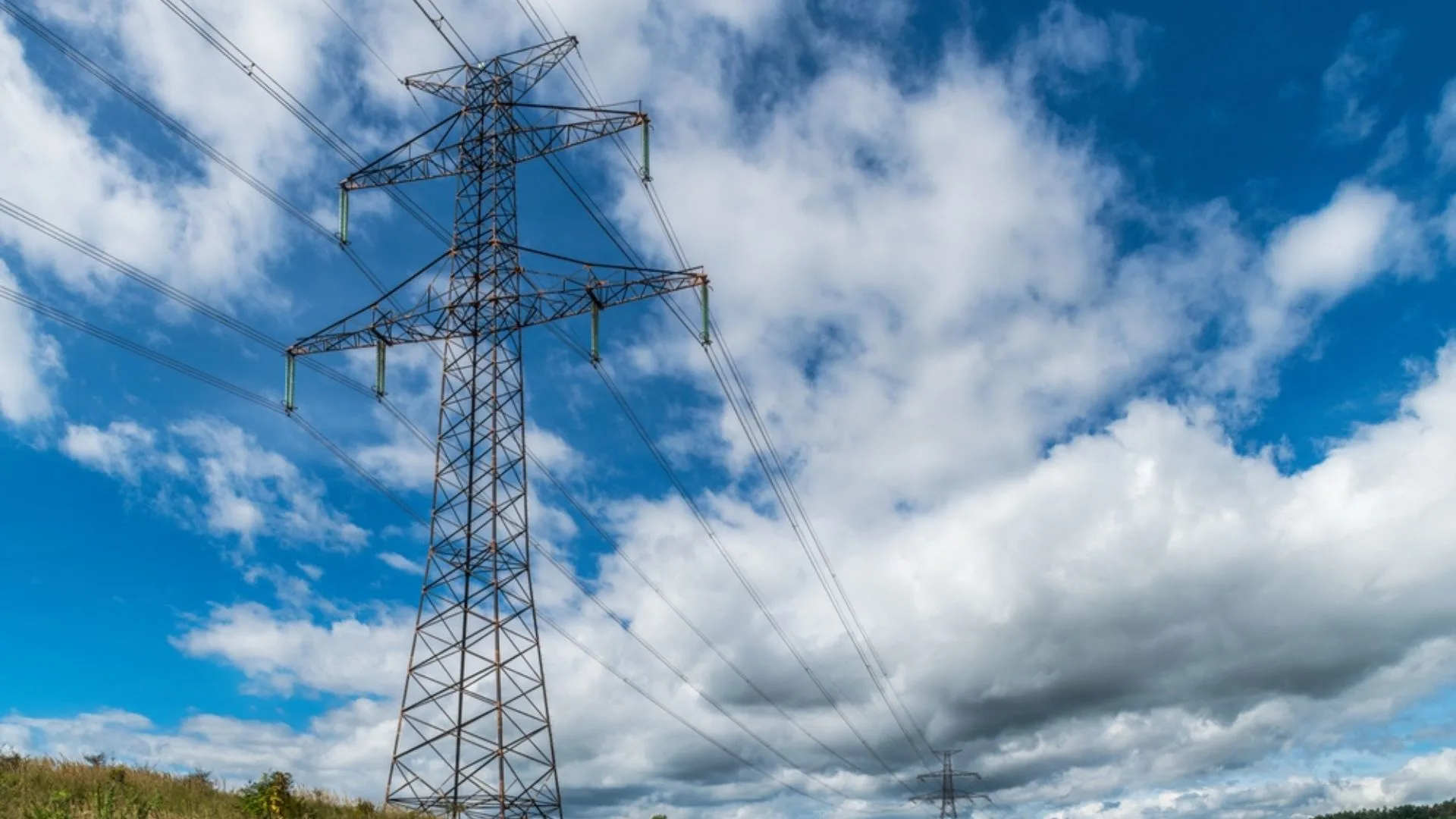
UK Energy Grid Projects: 713 Contracts and £40B Unlocked
Projects in the UK reached a turning point on June 10, 2026: the National Energy System Operator (NESO) announced that it has offered grid connection dates to 713 of the 1,223 projects in the Gate 2 portfolio for 2030. The selected projects represent 37 gigawatts (GW) of new capacity and are associated with a potential of up to £40 billion annually in clean energy investment, according to the Energy Networks Association (ENA) and network operators.
This is the largest package of connection commitments issued in the recent history of the British electricity system.
The portfolio includes offshore and onshore wind, solar, battery storage, gas, and hydro. The 37 GW committed is equivalent to approximately 30% of the UK’s current installed capacity—111 GW according to NESO—and represents about one-third of the 132 GW needed to decarbonize the electricity sector by 2030.
These offers provide developers with the certainty they need to invest, supporting economic growth.
stated Kayte O’Neill, NESO’s Chief Operating Officer.
Connection Queue System Reform
The 713 projects are the result of a two-year reform that replaced the first-come, first-served allocation system—which generated massive bottlenecks—with a project maturity-based selection process. To access a connection date, developers must demonstrate planning permits, land rights, and alignment with government clean energy objectives. The process eliminated 221 GW of speculative projects that were blocking already executable initiatives.
The push for renewable energy is part of the Labour government’s commitment to double onshore wind capacity, triple solar, and quadruple offshore wind by 2030. Without a firm grid connection date, projects do not secure funding, and committed CAPEX remains on hold. NESO’s reform transforms connection availability—historically the biggest inhibitor of renewable development in the UK—into a manageable factor with predictability for investors.
£40B Investment and Strategic Dimension
The £40 billion is not a single budget item, but rather the private investment that NESO and the ENA estimate will be unlocked annually as projects progress towards construction. For comparative purposes, the program is equivalent to the largest energy infrastructure commitment concentrated in a single industrial policy cycle in the country’s recent history. Energy Minister Michael Shanks noted that the measure will help to “protect consumers from fluctuations in fossil fuel prices.”
Energy Security in the UK
The scale of the portfolio has direct implications for the UK’s energy security, as it seeks to reduce exposure to imported gas markets following price disruptions from 2022–2024. With 37 GW of new clean generation committed, the country diversifies its electricity mix and structurally reduces its dependence on gas-fired combined cycle plants, whose variable cost is linked to natural gas prices in European markets. Achieving the 2030 targets will also require thousands of kilometers of new transmission lines to evacuate offshore wind generation from the North Sea, a task that NESO includes among the delivery conditions.
Sources: Reuters / UK Government Department for Energy Security and Net Zero (DESNZ)