With the UAE outside OPEC, a turning point is marked for the international oil market and new questions arise about the bloc’s future capacity to influence global crude supply. The decision comes in a context of geopolitical tensions, competition for market share, and growing investments in production capacity by some of the world’s leading exporters.
Beyond the immediate impact on prices, the move tests the cohesion of the OPEC+ alliance and reopens the debate on the balance between national growth strategies and collective production coordination mechanisms.
OPEC Faces a Scenario of Reduced Control Over Supply
The departure of one of the Gulf’s most significant producers modifies the organization’s internal structure and reduces the volume of barrels managed under coordinated production mechanisms.
Although Saudi Arabia remains the main actor within the OPEC+ alliance, several analysts believe that the progressive reduction in participation over global supply could limit the group’s ability to influence international prices through production adjustments.
This change does not imply an immediate loss of relevance, but it does raise questions about the bloc’s future capacity to maintain cohesion among its members in an environment characterized by greater economic and strategic demands.
The Strait of Hormuz Maintains Pressure on Prices
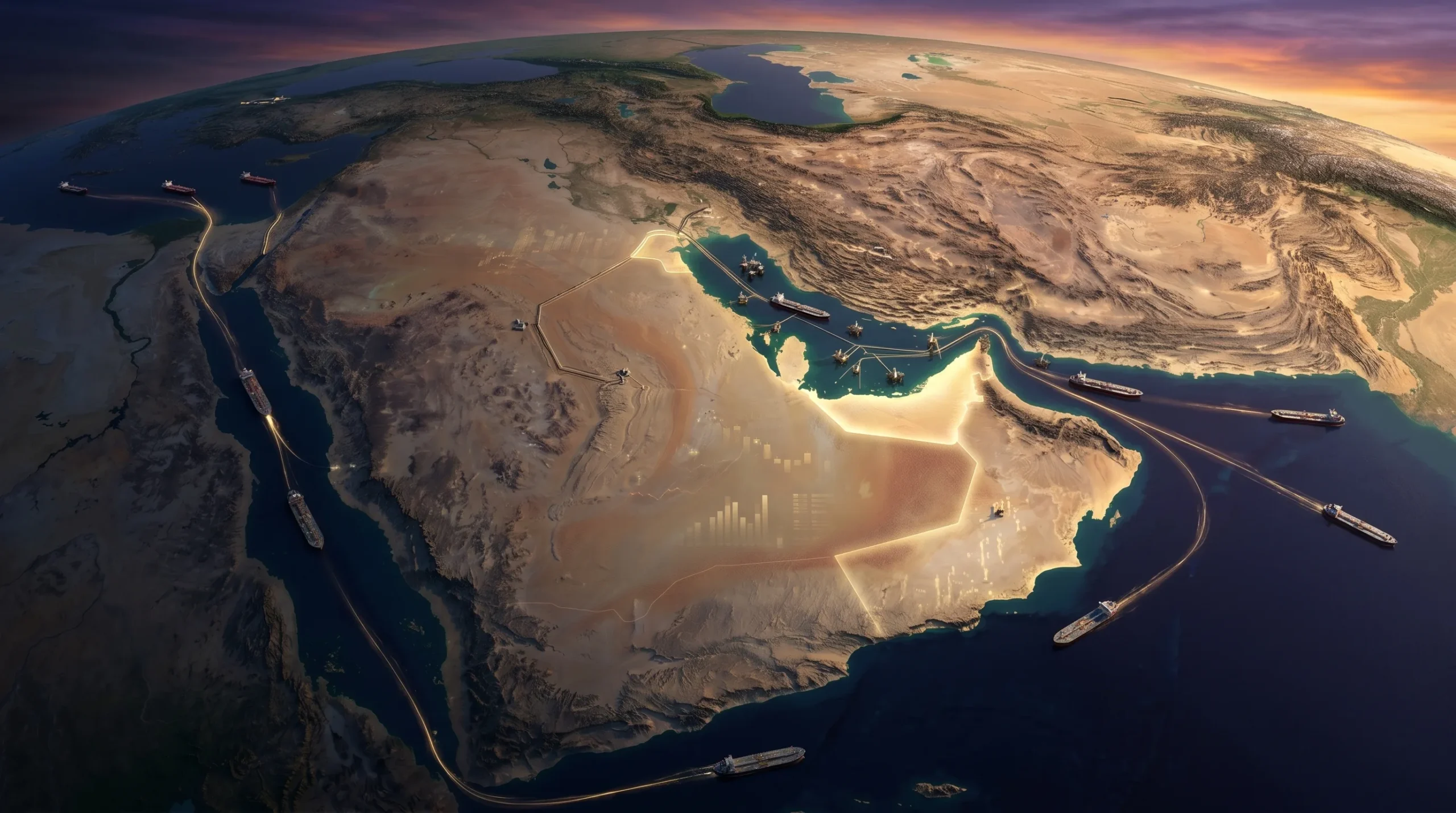
The evolution of the oil market continues to be conditioned by geopolitical factors that transcend production decisions. Recent tensions surrounding the Strait of Hormuz have demonstrated that energy security remains one of the most sensitive elements for global hydrocarbon trade.
Although the UAE will have greater freedom to increase its production, the ability to place those additional volumes in the market will also depend on the stability of the logistical routes connecting the Gulf with major consumption centers.
In this context, operators continue to assess the potential impact of new disruptions on international energy flows.
UAE Outside OPEC: Could Other Producers Follow?
One of the most relevant aspects for the market is the possibility that other countries may reconsider their membership within the quota system.
Producers with growing revenue needs or with capacity expansion plans could evaluate more flexible models to manage their production. Among the names that frequently appear in sector analyses are Kazakhstan, Nigeria, and Venezuela, although there are currently no concrete signs of an imminent departure.
However, the UAE’s decision establishes a precedent that could influence future discussions within the group.
The Oil Market Enters a New Strategic Stage
The UAE’s departure from OPEC represents much more than an administrative decision within an oil organization. The move reflects the transformations taking place in the global energy market, where competition for market share, supply security, and operational flexibility are gaining increasing importance.
As investments in new production capacity increase and pressures arising from the energy transition intensify, producers will need to find a balance between cooperation and autonomy. The UAE’s behavior over the coming years could become a reference for measuring how OPEC’s role will evolve in an increasingly competitive market that is less dependent on traditional coordination mechanisms.
The evolution of this new dynamic will be closely observed by producers, investors, and energy operators. OPEC’s ability to maintain coordination among its members, along with the decisions adopted by other producing countries, could directly influence the stability of international prices and the future configuration of global energy flows.
Source: Oil&Gas