Green hydrogen it promotes a new stage for energy development in Australia with the participation of Trina Solar, which was selected to supply the photovoltaic modules for the project Good Earth Green Hydrogen and Ammonia (GEGHA), located near Moree, the initiative will become New South Wales’ first green hydrogen and ammonia production facility, reinforcing the role of solar power in low-emission industrial applications.
Green Hydrogen and Trina Solar will promote a 27 MW plant
The Chinese company will deliver modules Vertex S+ (NEG18R.28) of 510 W y 515 W for a solar power plant 27 MW, responsible for supplying renewable electricity to the project’s electrolysis system. This infrastructure will enable the production of green hydrogen and low-carbon ammonia using photovoltaic energy, laying the foundation for a more sustainable production model in the industrial sector.
The modules incorporate technology i-TOPCon type n and a thermally reinforced double-glazed design, developed to offer greater resistance to adverse weather conditions and reduce degradation over time. According to Trina Solar, these features promote stable energy performance throughout the installation’s lifespan and help lower the project’s operating costs.
Photovoltaic technology for industrial applications
The company explained that the technology i-TOPCon type n it reduces light-induced degradation, a factor that helps maintain constant electricity production and improves the long-term profitability of renewable energy projects.
Edison Zhou Trina Solar’s director for Australia and New Zealand, stated that initiatives like GEGHA reflect the growing role of the solar energy in the development of emerging industries linked to the production of green hydrogen and low-emission fertilizers.
By supplying high-performance Vertex S+ modules for the project’s solar plant, Trina Solar is helping to lay the foundations for renewable energy for the production of green hydrogen and low-carbon ammonia.
Edison Zhou, director of Trina Solar for Australia and New Zealand
A pilot project for decentralized production
GEGHA is jointly developed by Hiringa Energy and Sundown Pastoral Company construction of the complex is already underway and its objective is to demonstrate the commercial viability of a decentralized model for hydrogen and fertilizer production that can be replicated in other regions of Australia.
When it becomes operational, scheduled for2027the facility will be able to produce up to 200 tons per year of green hydrogen and around 4,500 tons of low-carbon ammonia.
The project will also include a 15 MW hydrogen electrolyzer and will be located next to the Wathagar cotton gin, a joint venture of Sundown Pastoral Company. The fertilizer produced will initially be used for the production of Good Earth Cotton a cotton with a net-zero energy balance and certified traceability. The surplus will be available to other agricultural producers in the region.
Solar energy as the basis of the regional model
Joe Cumming Hiringa Energy’s senior project manager, highlighted that the reliability of photovoltaic generation will be a decisive element in validating the model promoted by GEGHA.
GEGHA is designed as a commercial pilot project for the decentralized production of hydrogen and fertilizers that could be replicated across Australia. For a project seeking to demonstrate a long-term regional model, reliable solar power generation is essential.
Joe Cumming, senior project manager at Hiringa Energy.
Cumming added that the n-type double-glazed technology trina Solar’s experience in the Australian market was a key factor in the selection process for the photovoltaic modules that will power the project’s solar plant. With this initiative, Australia is advancing the development of infrastructure that integrates solar energy, green hydrogen, and low-emission fertilizers to support the decarbonization of industry and the agricultural sector.
Source: Renewables Now
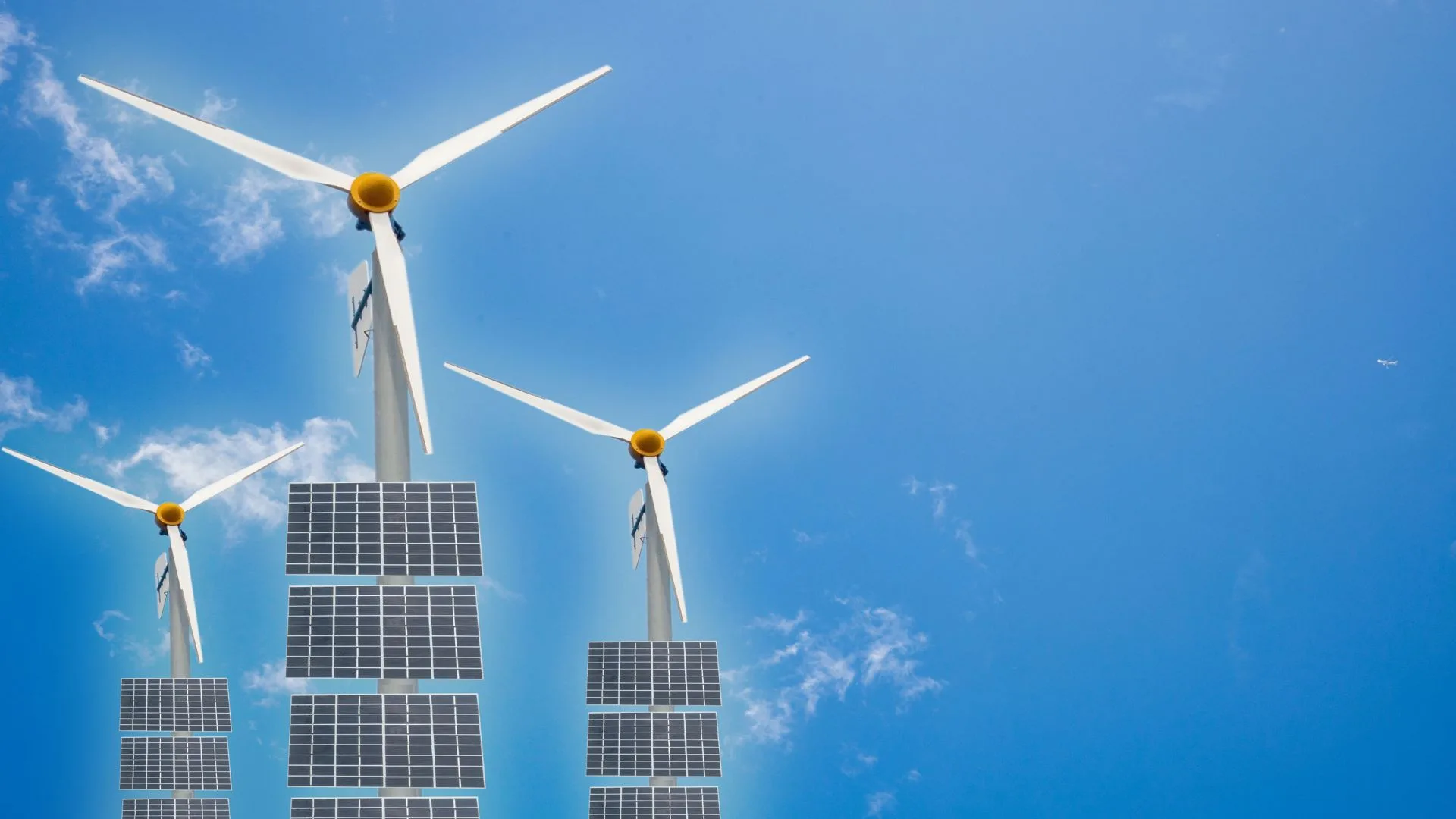
Photo: Shutterstock