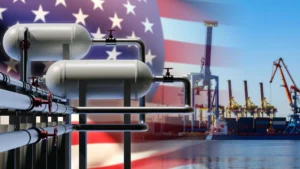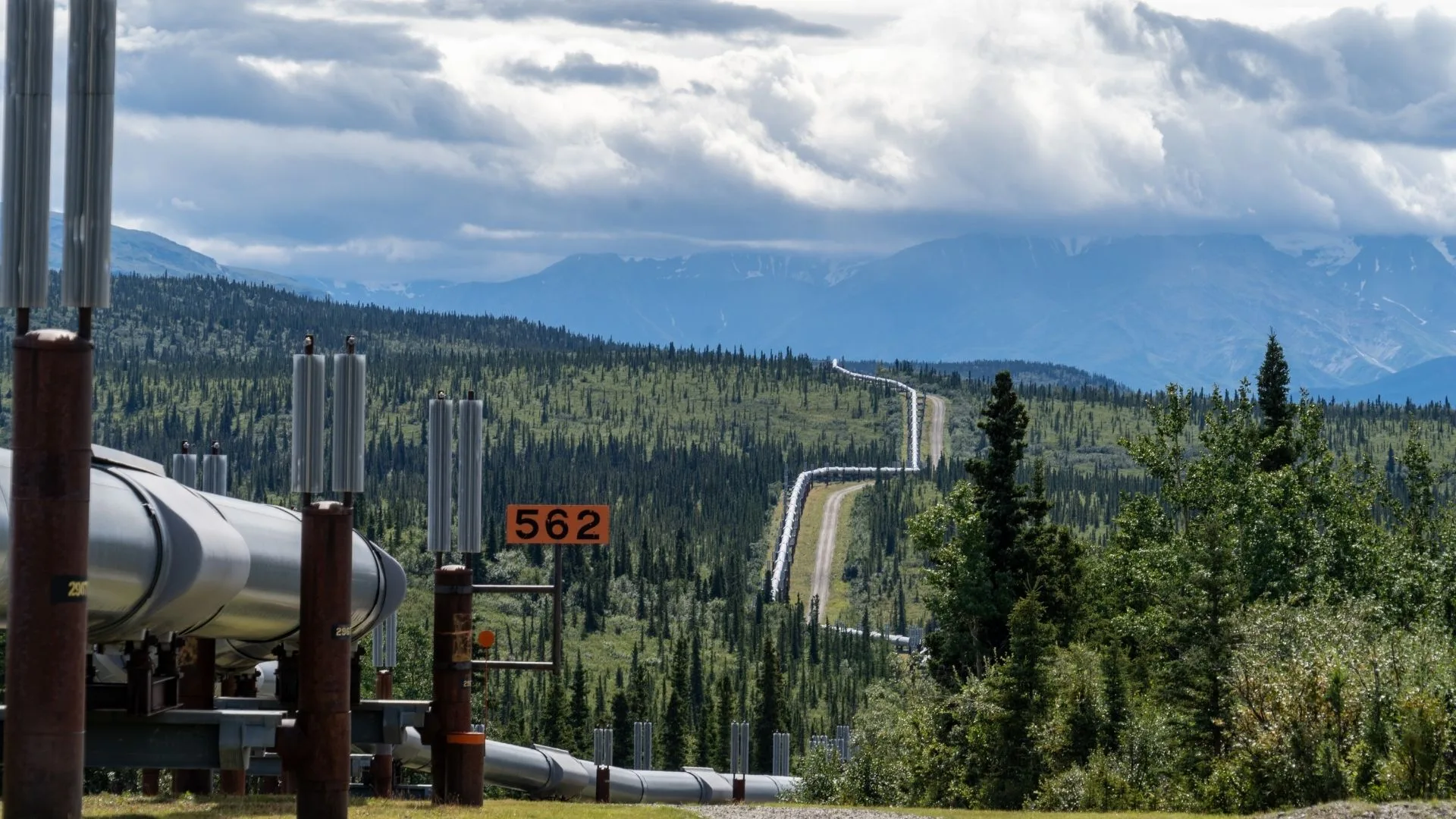
Trans-Alaska Pipeline this is the infrastructure whose owners began the process of renewing the federal right-of-way permits that allow them to operate this 1,287-kilometer oil pipeline system more than seven years in advance. Currently, the permits expire on January 22, 2034. However, Alyeska Pipeline Service, the system’s operator representing Hilcorp Energy, ConocoPhillips, and ExxonMobil Holdings, is seeking an additional 30-year extension. If the request is successful, the Trans-Alaska Pipeline System (TAPS) would have greater regulatory certainty to continue transporting oil from the North Slope to Valdez for decades to come.
Trans-Alaska Pipeline enters federal review
Meanwhile, the U.S. Department of the Interior has begun a formal review of Alyeska’s application, the process initially includes an environmental assessment led by the Bureau of Land Management (BLM). The agency has also opened a 15-day period for public comment regarding the scope of the government’s analysis.
The early renewal is especially significant because the previous process took nearly two years, in 2004, when federal right-of-way rights were last renewed, landowners had initiated the process less than three years before expiration. This time, the window is considerably longer and coincides with a U.S. administration seeking to accelerate oil and gas development in Alaska.
TAPS gains importance in the face of new oil projects
Furthermore, the outlook for the Trans-Alaska Pipeline has changed with the development of new oil resources in the northern part of the state. For years, declining production from the North Slope raised concerns about the system’s future viability. In 1988, TAPS transported more than 2 million barrels per day. Subsequently, reduced flow created operational challenges associated with transporting crude oil at lower speeds.
Now, new oil developments have changed that scenario, companies like ConocoPhillips Santos and his team are advancing projects related to resources that could increase Alaska’s crude oil production and further boost pipeline utilization. The U.S. government has also expressed interest in increasing its use. During a visit to Pumping Station 1 in Deadhorse, Energy Secretary Chris Wright indicated that President Donald Trump wants to double the flow of oil transported by TAPS.
Alyeska seeks certainty for the long-term operation
Alyeska also believes that a long-term authorization would provide greater predictability for companies and communities linked to the system.
A long-term renewal provides certainty to the industry, businesses, workers, and communities that depend on TAPS for the safe and reliable transport of oil from Alaska’s North Slope to Valdez.
John Kurz
The TAPS pipeline began operations in 1977 and has since served as the primary route for transporting crude oil produced on the North Slope from Prudhoe Bay to the Port of Valdez. The infrastructure was financed and built by private companies, although its development received a decisive boost from the U.S. Congress in 1973 to facilitate the necessary federal permits.
Renewal faces environmental challenges
However, the pipeline’s future is also part of the American environmental debate. Environmental organizations have requested the Department of the Interior to conduct a new assessment of TAPS’s climate and environmental impacts. These groups argue that global warming should lead to a gradual reduction and eventual dismantling of the system.
The discussion comes as Alaska seeks to expand the development of its oil and gas resources, with the Trump administration considering TAPS an available infrastructure capable of handling larger volumes of crude. For now, the start of the federal review does not guarantee renewal, the process must evaluate Alyeska’s application and its environmental implications before determining whether the right-of-way can be extended for another three decades.
In addition, permits for state lands must be renewed through a separate procedure administered by the Alaska government.
Source: Rigzone
Photo: Shutterstock