Carnegie the Australian company is considering PacWave South, off the coast of Oregon, as one of the potential sites in the United States for a future demonstration of its CETO wave energy technology. The company included the facility among the alternatives considered in its deployment roadmap. PacWave South, however, has not yet been selected as the final site for the next phase of the program.
Carnegie evaluates PacWave South for future CETO trials
PacWave South offers an open-sea testing environment connected to the electrical grid the infrastructure allows for testing technologies designed to harness wave energy under real ocean conditions, while the devices can deliver the generated electricity to the grid, this combination is especially relevant for Carnegie as it prepares CETO for larger-scale systems, the company believes it is well-positioned to become a future PacWave user and will continue to explore opportunities to demonstrate its wave energy converter there. The Oregon facility joins other international centers that Carnegie is considering for its next trials, the final decision will depend on the progress of the development program and the opportunities available to execute the next stage.
How does CETO convert wave energy into electricity?
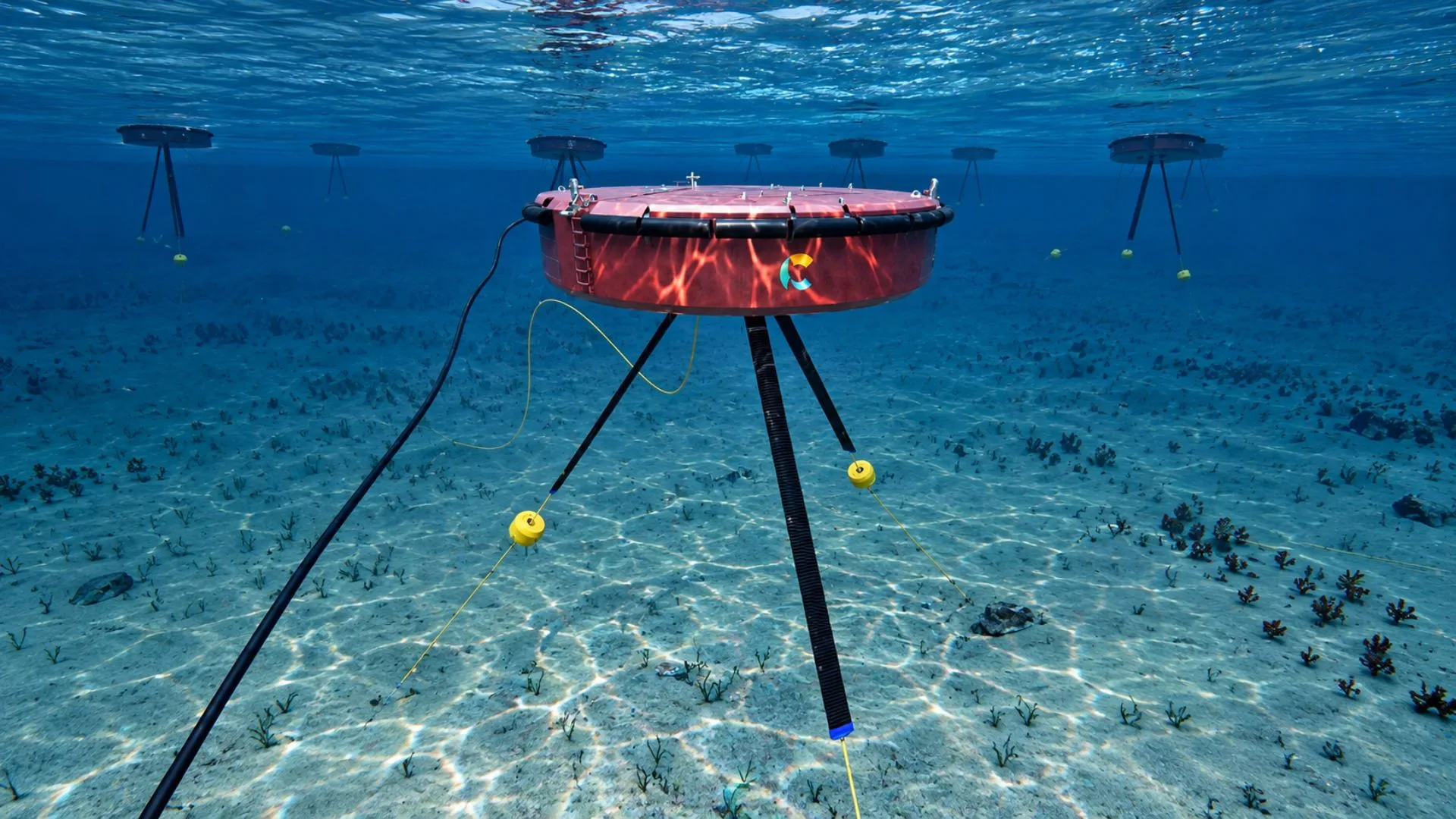
CETO is a technology developed by Carnegie Clean Energy to transform the movement of ocean waves into electricity. One of its main features is that it operates below the sea surface, allowing the main energy conversion equipment to remain submerged without needing to be installed above the waterline. The concept aims to harness the resource undimotriz using a system designed to operate in the underwater environment, access to a facility like PacWave would allow for the evaluation of this technology in the open ocean with a direct connection to the electrical grid, this type of testing is part of Carnegie’s ongoing process of advancing from current prototypes to commercial wave energy applications.
BiMEP remains Carnegie’s immediate priority
For now, the company’s most immediate work is focused on Europe. Carnegie is deploying a full-scale CETO prototype at the Biscay Marine Energy Platform (BiMEP) through the ACHIEVE program, any eventual demonstration in Oregon would therefore correspond to a later phase of the strategy. The company anticipates that the next stage will include fully commercial-scale CETO units installed at an international test center, among the identified alternatives are BiMEP, the European Marine Energy Centre (EMEC), and PacWave, the presence of these three facilities shows that Carnegie is keeping several options open for validating its future systems.
Carnegie also studies wave energy in Alaska
In addition to PacWave South, Carnegie is exploring other opportunities for CETO within the United States. The company is working with the Chugachmiut, a consortium of Native tribes in south-central Alaska, on preliminary studies related to harnessing wave energy. This work examines local marine conditions and the potential use of the technology in remote and Indigenous coastal communities, thus, Carnegie’s activity in the United States encompasses both specialized testing facilities and the analysis of potential electricity generation applications in coastal areas.
The United States thus emerges as a potential market within CETO’s commercial strategy, the opening of PacWave expands the available options for demonstrating the converter under ocean conditions and with access to the electrical grid. The next step will be to determine whether the facility off the coast of Oregon will ultimately host a future CETO unit, in the meantime, Carnegie maintains its immediate priority on the ACHIEVE program prototype before moving toward commercial-scale systems.
Source: Offshore Energy
Photo: Carnegie