TotalEnergies signed an agreement with Shell to acquire its entire European onshore renewable energy business, which is spread across Italy, the Netherlands, Spain, and the United Kingdom.
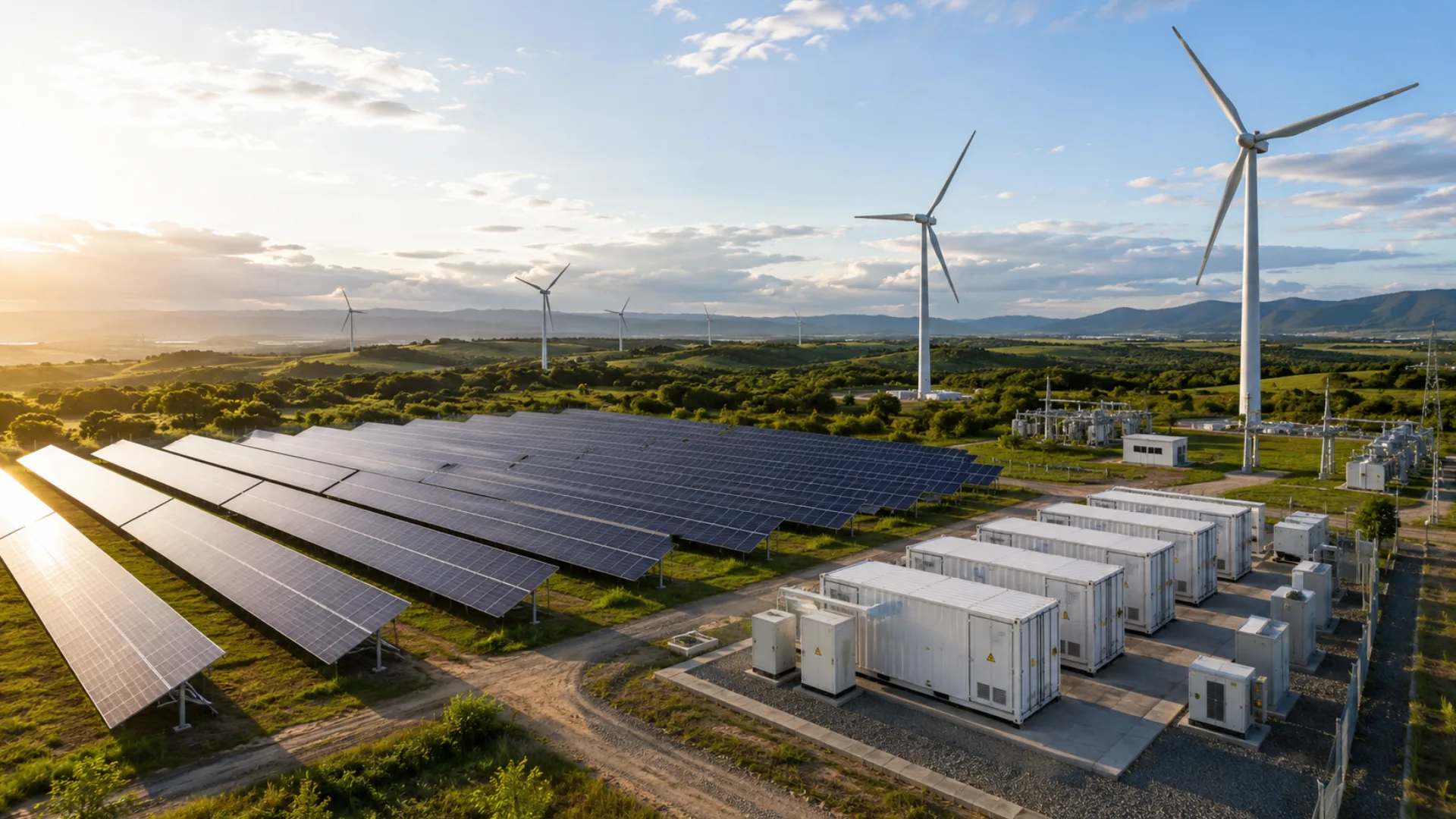
The renewable energy portfolio totals approximately 4 GW, of which 500 MW consists of solar and wind assets that are either in operation or under construction. The remaining 3.5 GW is part of a portfolio of solar, wind, and battery storage projects still in development.
The closing is expected by the end of 2026 and remains subject to the necessary regulatory approvals. Neither company disclosed the value of the acquisition.
Shell accelerates capital recycling
For Shell, the sale is part of a strategy to streamline its portfolio and ensure financial discipline.
The company explained that it aims to focus its investments on areas where it can generate the most value, particularly in asset-backed electricity trading, flexible generation, and customer-focused energy solutions.
The move also reflects a broader trend among major oil companies: maintaining a presence in the electricity sector and low-emission initiatives, while reducing direct exposure to projects that do not meet their profitability or differentiation goals.
Shell will retain other operations within its European power business, but will transfer ownership of this specific onshore portfolio to TotalEnergies.
Italy and the Netherlands account for the majority of operating assets
The 500 MW currently in operation or under construction are located primarily in Italy and the Netherlands, two markets where TotalEnergies seeks to combine renewables with flexible generation and electricity trading.
The development portfolio also spans the United Kingdom and Spain and includes solar and wind projects, as well as battery storage systems.
From an industrial perspective, the acquisition involves more than just adding nominal capacity. TotalEnergies will also need to integrate permits, supply contracts, interconnection agreements, control systems, suppliers, and maintenance plans for assets operating under different regulatory frameworks.
Standardizing operational and integrity procedures will be key to transforming a fragmented portfolio into a coordinated energy platform.
The transaction strengthens Integrated Power
With this acquisition, TotalEnergies is strengthening its Integrated Power strategy, which is based on combining renewables, combined-cycle power plants, energy storage, and electricity sales.
Prior to this transaction, the company already had nearly 10 GW of renewable capacity installed or under construction in Europe and approximately 27 GW in development.
In addition, as of the end of June 2026, TotalEnergies reported more than 37 GW of gross renewable capacity worldwide and remains on track to exceed 100 TWh of net electricity generation by 2030.
The acquisition of Shell complements its recent expansion in flexible generation, particularly in Italy, the Netherlands, and the United Kingdom.
TotalEnergies sells assets to KKR
On the same day, TotalEnergies announced a second transaction that helps explain its financial model.
The company agreed to sell a 50% stake in a 1.2-GW European renewable energy portfolio, valued at 1.8 billion euros, to a fund managed by KKR.
The portfolio includes solar and wind projects in Germany, Spain, France, and Poland. TotalEnergies will retain the remaining 50% and continue to operate the assets.
The strategy involves developing projects and mitigating their risks, selling minority stakes, and freeing up capital for new investments.
Among the key figures for the two transactions, the following stand out:
- 4 GW acquired from Shell.
- 500 MW in operation or under construction.
- 3.5 GW of projects under development.
- 1.2 GW included in the partial sale to KKR.
- 1.8 billion euros in enterprise value for that portfolio.
- 50% stake retained by TotalEnergies.
Operational integration will be the real challenge
The value of the acquisition will depend on TotalEnergies’ ability to transform a diverse portfolio into an integrated operating system.
Wind, solar, and energy storage assets require different strategies for inspection, maintenance, and lifecycle management. Wind turbines, inverters, transformers, solar tracking systems, and batteries exhibit different degradation mechanisms.
Integration will also require coordinating:
- Condition monitoring.
- Predictive maintenance.
- Critical spare parts management.
- Cybersecurity for control systems.
- Inspection of electrical structures and connections.
- Battery monitoring and thermal risk management.
- Digital platform compatibility.
The next indicator will be how quickly TotalEnergies closes the deal and makes progress on the 3.5 GW of projects currently in development. The acquisition expands the company’s renewable energy footprint, but it also increases the technical and financial complexity of a portfolio spread across four countries.
Source: Reuters