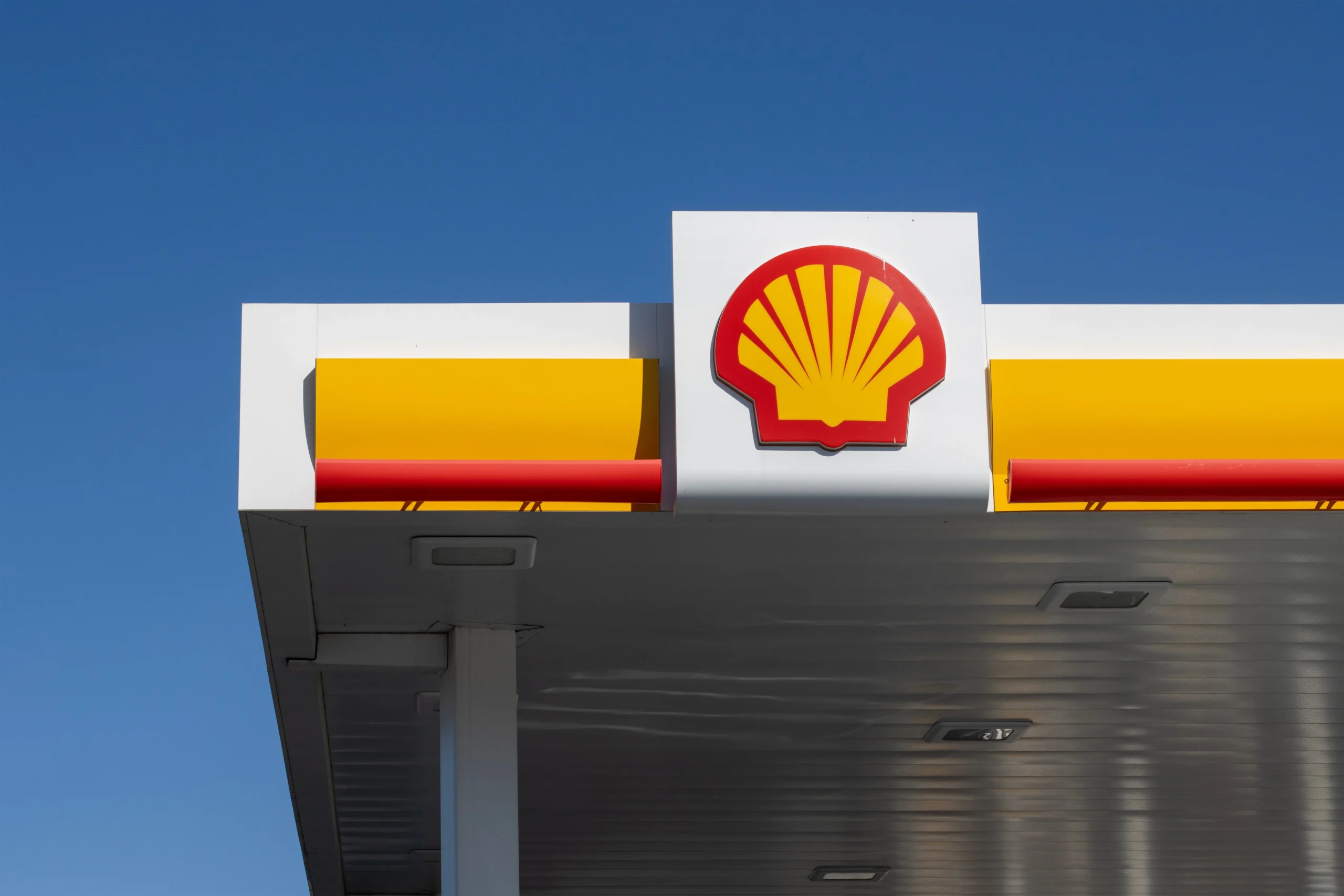
Shell is moving forward with a plan to divest its network of approximately 60 service stations on French highways as part of a strategy focused on strengthening its core oil and gas business. The transaction could be completed by early 2027, according to information published by the French newspaper Les Echos.
The British company has already informed unions and operators that it expects to find a buyer during the third quarter of this year. Although Shell does not directly own the service stations in France, it maintains concession agreements with highway operators such as Vinci, ASF, and Cofiroute to supply fuel and other related services.
Shell redefines its presence in the downstream business
The decision reflects the strategic shift promoted by CEO Wael Sawan since joining the company. Shell has prioritized assets with higher operating margins and exposure to the global liquefied natural gas trade, while reducing its stake in less profitable retail segments.
Shell-branded service stations in France generated approximately €108.5 million in operating profit last year. However, the company believes the European retail market offers less growth potential compared to opportunities in energy production and marketing.
Likewise, the group continues to reorganize operations to improve financial returns and strengthen its competitive position within the global energy sector.
Shell’s focus is on oil, gas and LNG
The possible withdrawal from the French market coincides with recent expansion moves in North America; Shell agreed to buy ARC Resources Canada in a deal valued at $16.4 billion that will add about 370,000 barrels of oil equivalent per day to its production.
The acquisition will strengthen the supply to LNG Canada, a liquefied natural gas export project in which Shell holds a 40% stake. The company considers this infrastructure a key pillar of growth for meeting Asian energy demand over the next decade.
In addition, the agreement incorporates around 2 billion barrels in reserves and helps support the corporate goal of maintaining liquid production close to 1.4 million barrels per day by 2030.
France loses importance within Shell’s global strategy
The French fuel market has experienced significant regulatory pressure and shifts in consumption habits related to electric mobility and emissions reductions. In this context, several international oil companies have reviewed their downstream assets in Europe.
Shell’s exit from the French retail segment shows how large energy companies are prioritizing businesses with greater cash generation capacity and exposure to international oil and gas trading.
Although the company will maintain a commercial presence through supply agreements, the sale of the network would mark a new adjustment within the operational transformation promoted by the British oil company.
Source: Oilprice
Photo: Shutterstock