Table of Contents
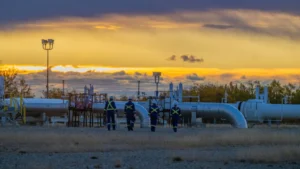
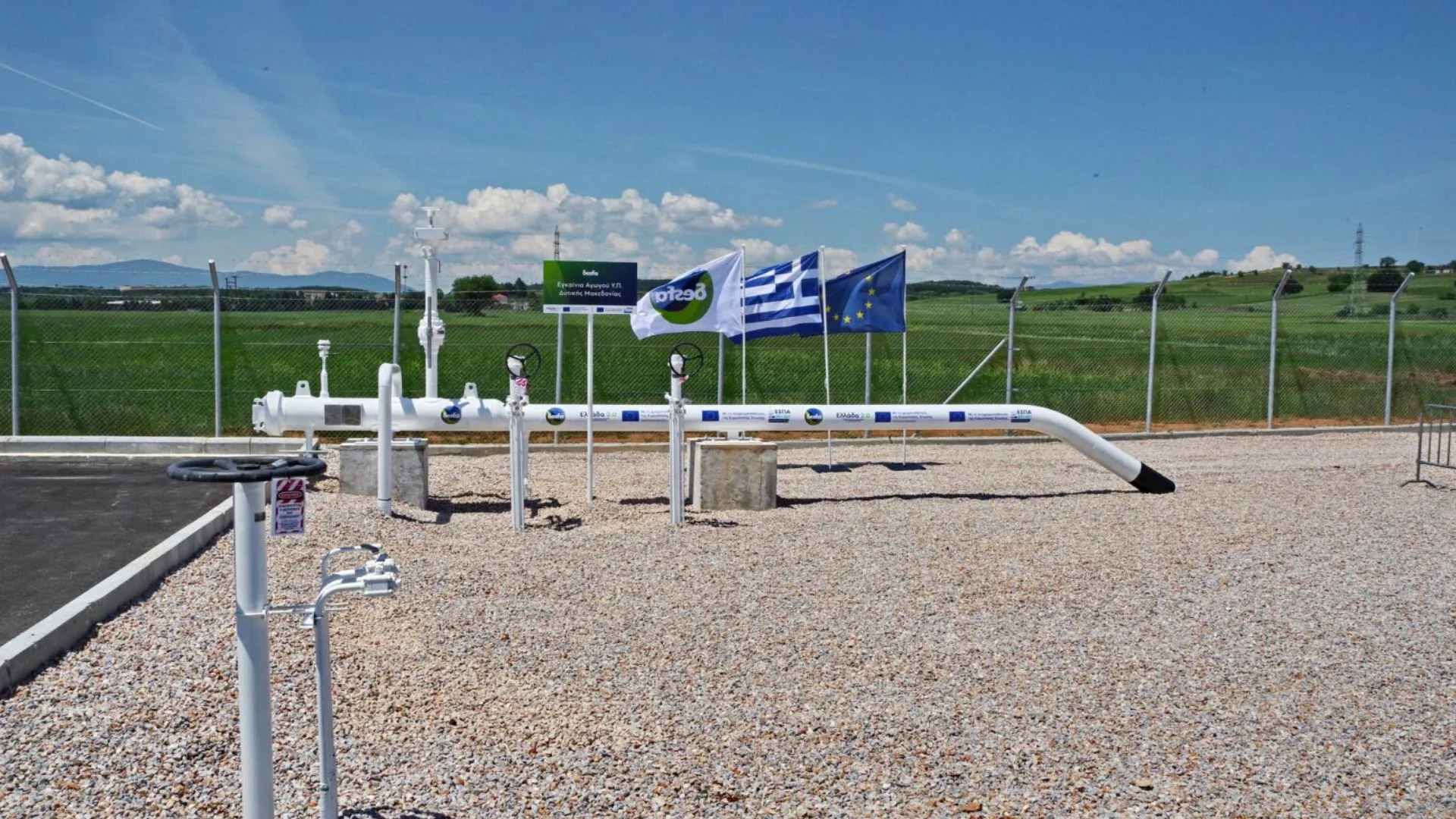
The National Natural Gas Transmission System Operator of Greece (DESFA) formalized the opening of the high-pressure network designed to supply the northern region of the country. The main route covers an approximate length of 157 kilometers and extends from the town of Trikala, located in the periphery of Imathia, to the metropolitan area of Ptolemaida. The project substantially expands the National Natural Gas Transmission System to territories that previously lacked access to this resource.
Natural Gas Network Coverage
Consequently, this technical deployment enables population centers such as Edessa, Skydra, Florina, Naousa, and Veria to access direct supply for the first time. The incorporation of these municipalities diversifies consumption alternatives for both industrial complexes and residential households in the benefited areas, enhancing local economic competitiveness.
Additionally, the project integrates advanced complementary systems, among which the Kardia metering station stands out. This facility ensures constant supply of energy flows intended for the district heating infrastructures of Kozani, Ptolemaida, and Amyntaio, which optimizes operational costs for users and reduces environmental impact in urban centers.
Furthermore, the engineering applied in the technical development of the pipelines complies with the European Union’s sustainability directives. The conduit possesses the necessary structural certification to transport up to 100% green hydrogen in the future, positioning the local network within the European vanguard in clean connectivity.
In this regard, the network’s adaptability ensures long-term asset viability and supports continental decarbonization objectives. The corporation emphasized that the underground design minimizes visual impact on the agricultural environment, ensuring an integrated ecosystem ready for the upcoming demands of the sectoral energy transition.
Regarding the financial aspect, the consolidated budget for the complete execution of the infrastructure amounted to €185.9 million. The project’s economic viability was consolidated through a mixed scheme that incorporated allocations from the NSRF 2021-2027 European funds program and specific allocations from the European Union’s Recovery and Resilience Mechanism.
Likewise, excavation work required meticulous planning in coordination with heritage conservation institutions due to the discovery of various archaeological remains during earthworks. The cataloging and protection of these historical pieces were carried out under strict official protocols, preserving the region’s cultural legacy simultaneously with the progress of engineering works.
Source and photo: DESFA