The largest petrochemical company in Latin America begins a new stage of corporate governance. Petrobras and IG4 Capital were confirmed as co-controllers of Petrobras Braskem after completing the agreement announced in April 2026, ending a prolonged period of shareholding uncertainty.
Petrobras Braskem: how the joint control was structured
Reuters reported that IG4 and Petrobras were certified as co-controllers of Braskem after formally completing the process initiated with the April 2026 agreement. The operation ends months of shareholding uncertainty that had limited the company’s ability to make long-term decisions regarding industrial investments, capacity expansion, and strategic portfolio management.
The agreed structure makes Petrobras and IG4 the two pillars of Braskem‘s corporate governance, replacing the previous scheme in which Novonor—formerly Odebrecht—exercised primary control. The exit of Novonor and the consolidation of the new bipartite control closes a cycle of more than four years of negotiations, legal processes, and regulatory reviews regarding the petrochemical company’s shareholding future.
The confirmation of joint control by IG4 and Petrobras over Braskem closes a stage of prolonged strategic uncertainty and establishes the foundations for a new decision-making cycle in the largest petrochemical company in the Western Hemisphere.
Why does Petrobras Braskem matter for the Latin American petrochemical sector?
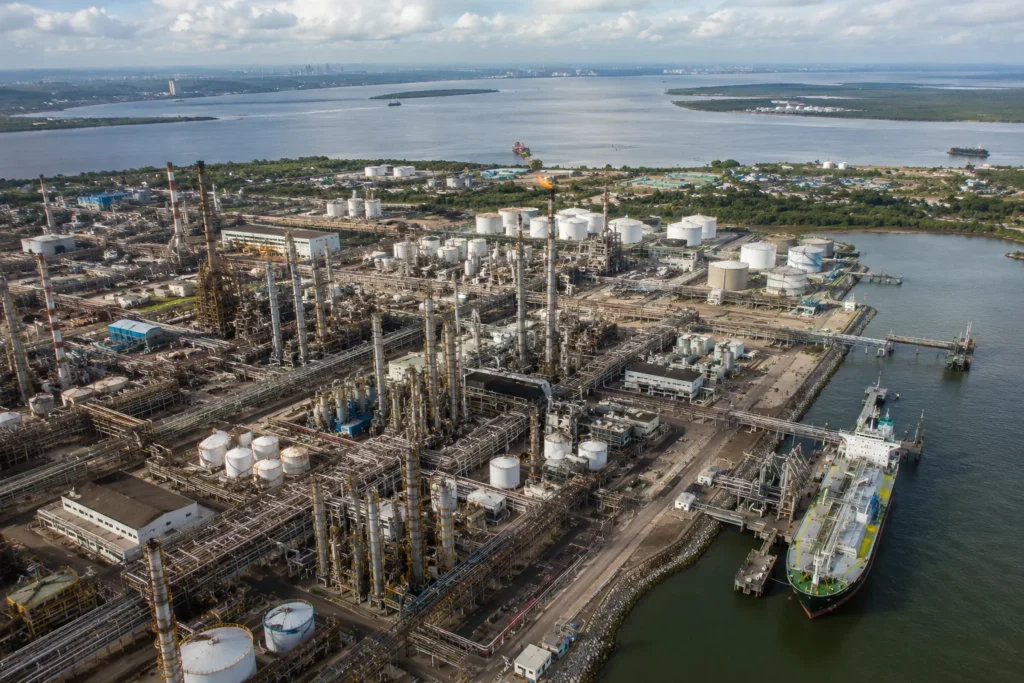
Braskem operates more than 40 industrial facilities distributed across Brazil, the United States, Mexico, and Europe. The company produces polyethylene, polypropylene, thermoplastic resins, and basic chemicals that supply industrial chains in the packaging, construction, automotive, and general manufacturing sectors. In Brazil, its integration with Petrobras’ refining chain makes the petrochemical company a direct link between processed crude oil and the plastic products consumed by national industry.
The shareholding uncertainty preceding this agreement had generated real restrictions on capital allocation within Braskem. Decisions on the modernization of petrochemical complexes, capacity expansion in polyethylene and polypropylene, and energy transition projects were postponed while shareholders resolved the control structure. With IG4 and Petrobras confirmed as co-controllers, the conditions are in place to resolve that strategic paralysis.
Braskem maintains direct integration with Petrobras’ refining chains, positioning the petrochemical company as a strategic asset within the value structure of the Brazilian state giant.
Implications of Petrobras Braskem joint control for operators
For petrochemical and refining operators, the consolidation of the new control opens a scenario of greater predictability in Braskem’s decision-making. Industrial investment programs, modernization initiatives at its Brazilian complexes, and the management of its assets abroad will be able to move forward with a stable shareholding mandate behind them. The integration of Petrobras Braskem into the Brazilian energy axis also strengthens the positioning of both companies against global petrochemical raw material price cycles.
For industrial service providers, process equipment manufacturers, and petrochemical supply chain integrators, the stability of the new control opens a window of potential demand linked to expansion and operational efficiency projects that Braskem had postponed. The polyethylene market in Latin America, where the company holds a dominant position, can recover investment signals that were blocked by corporate uncertainty. This dynamic is comparable to what occurs in other energy integration verticals such as the LNG segment, where clarity in the agreement structure determines the pace of industrial investment.
Next steps for Petrobras Braskem following control confirmation
The confirmation of joint control does not automatically imply the execution of new projects or the approval of specific investments. Immediate steps include the formalization of Petrobras Braskem’s corporate governance under the new structure, the review of the strategic plan, and the definition of CAPEX priorities for the next planning cycles. Decisions regarding international assets—plants in Texas, Mexico, and Germany—also enter the review agenda under the new co-control scheme.
For investors in Petrobras Braskem, the value of the announcement lies in the elimination of the risk of decisional paralysis that had depressed expectations regarding the future of the petrochemical company. The scale of the assets involved—more than 40 facilities across four geographic regions—makes this confirmation one of the most significant corporate moves in the Latin American petrochemical sector during the first half of 2026.
Sources:
Reuters: IG4, Petrobras confirmed co-controllers of Brazil’s Braskem, concluding April deal
IG4 Capital / corporate documentation: official communication presented to the Brazilian market confirming the joint control structure over Braskem.