Oil prices rose sharply this Wednesday, reaching their highest level in two weeks, driven by increased geopolitical risk in the Middle East. The move came after Donald Trump stated that the deal with Iran was “done” and warned of potential new attacks.
Brent advanced above $77 per barrel, while West Texas Intermediate (WTI) surpassed $73, in a session marked by concerns over global energy supply. The market reaction reflected fears of disruptions to crude transit through the Strait of Hormuz, a key route for oil and gas flows.
The market re-evaluates risk in the Middle East
According to analyzed reports, the rally accelerated following Trump’s statements regarding the end of the memorandum of understanding with Tehran. Likewise, the market factored in the impact of the revocation of the general license that authorized the sale of Iranian crude.
The Strait of Hormuz returned to the center of attention due to attacks on merchant vessels and the possibility of new military actions. This maritime route has historically been sensitive for energy markets, as a significant portion of the world’s supply circulates through it.
Brent, WTI prices, and backwardation reflect supply pressure
Additionally, the Brent three-month spread widened to $2.36 per barrel, a sign of backwardation that typically indicates lower crude availability in the short term. This shift shows that traders are paying a premium for immediate deliveries given the risk of disruptions.
In parallel, US crude also reacted strongly. WTI rose more than 4% and touched highs not seen since late June, as traders adjusted positions after weeks of bearish bets.
Focus shifts to Kharg and tanker traffic
Furthermore, Kharg Island regained relevance due to its role in Iranian oil exports. Any disruption to that infrastructure could affect Iran’s ability to place crude on the international market.
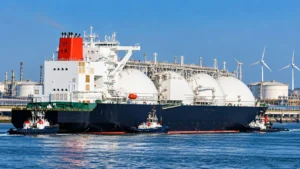
Likewise, maritime tracking data cited in reports indicate that several oil and gas tankers avoided transiting through Hormuz due to increased security risks. This behavior reinforces the perception of a tighter market, even before any major physical disruption.
Impact on fuels and financial markets
The oil rally also pressured other energy segments. Heating fuel prices, used as a benchmark for jet fuel, rose nearly 5%, while equity markets recorded losses on fears of a broader escalation.
Finally, the scenario keeps traders attentive to three factors: the United States’ military response, Iran’s reaction, and the security of maritime traffic in the Gulf. As long as there are no clear signs of de-escalation, oil prices will remain exposed to sharp movements.
Source: Reuters
Photo: Shutterstock