Vysus Group redefines asset integrity management
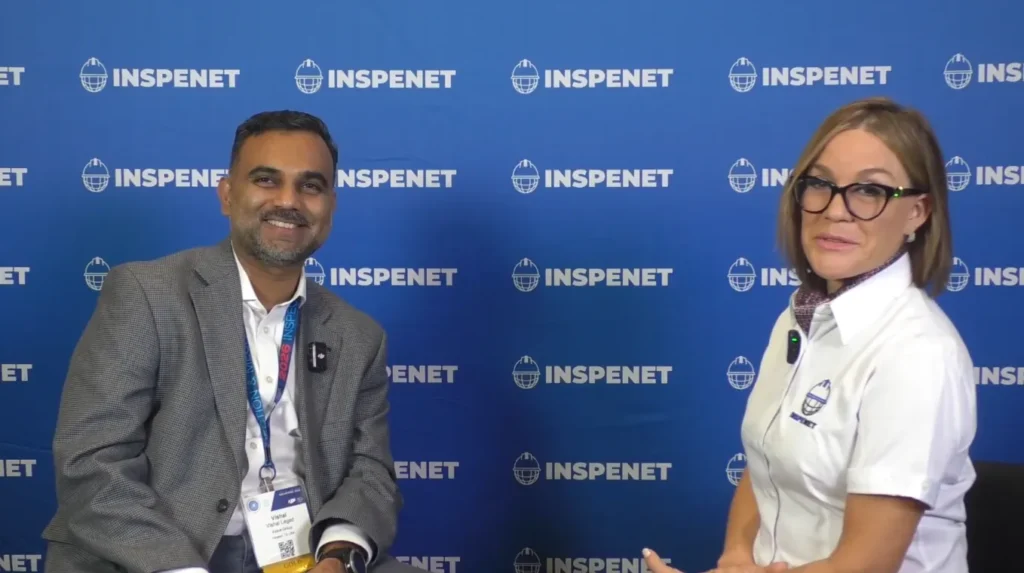
Asset integrity management has become a major challenge for the energy and process industries. Aging facilities, the need to optimize resources, and the increasing availability of digital tools are changing how companies plan their operations. During API Summit 2026 , Vishal Lagad , Vice President of Vysus Group, shared the company's vision for addressing these challenges through a strategy that combines specialized engineering, risk analysis, and digital technologies to improve decision-making throughout an asset's lifecycle.
asset integrity management goes far beyond conducting periodic inspections. The real value lies in understanding the behavior of each installation, anticipating degradation mechanisms, and defining action plans that maintain operational safety and maximize equipment performance.
Asset integrity from design to retirement
One of the central messages of the interview was the importance of analyzing industrial assets holistically . For Vysus Group, management begins even before a facility becomes operational and continues throughout all stages of its operation until its retirement.
This approach allows risks to be identified from the early stages of the project and maintenance and inspection strategies to be adapted as service conditions evolve.
Each asset has particular characteristics that require a specific analysis based on the industrial process, the materials used, and the actual operating conditions.
Vishal Lagad explained.
The company works with clients in sectors such as oil and gas, refining, petrochemicals and process industries, providing consulting and engineering services aimed at improving asset reliability and reducing risk exposure.
In this context, knowledge of metallurgy, materials engineering, and degradation mechanisms becomes crucial. Understanding how corrosion , fatigue, temperature, and chemical operating conditions affect the process allows for the development of more effective inspection strategies tailored to each installation.
As Lagad pointed out during the interview, the goal is not to inspect more, but to inspect better. To achieve this, it is essential to know which components are more critical and which require more frequent monitoring.
How to define the appropriate inspection strategy?
A significant part of the work carried out by Vysus Group involves helping operators answer three fundamental questions: what to inspect, when to do it, and what technique is most appropriate in each case.
Far from applying standard programs, the company develops customized plans for each client. These programs are created after analyzing the equipment design, its operational history, process conditions, and potential degradation mechanisms.
This approach allows for the optimization of available resources and the concentration of inspection efforts where they truly add value. In this way, organizations can reduce unnecessary interventions without compromising the safety or availability of their facilities.
In addition to conventional inspections, the engineering team uses internationally recognized methodologies to assess the condition of assets when signs of deterioration appear. These include Fitness For Service (FFS) analyses and Finite Element Analysis (FEA) studies , tools that determine whether equipment can continue operating under certain conditions or if corrective measures are necessary.
As Vishal Lagad explained, these assessments provide a solid technical basis for making complex decisions and help extend the lifespan of equipment when conditions allow.
Digitization is transforming asset integrity management
Another major focus of the interview was the role that digitalization plays within Vysus Group's strategy.
Currently, industrial plants generate large volumes of information from inspections, sensors, maintenance records, and operational data. However, having information does not, in itself, guarantee better management.
Therefore, the company is committed to digital tools capable of organizing this data, analyzing it, and converting it into useful information for decision-making.
During the interview, Lagad explained that these platforms allow for the rapid identification of which assets require priority intervention and which can continue operating within acceptable risk levels. Instead of manually reviewing hundreds of pieces of equipment, engineers can focus their attention on those items that truly need detailed analysis.
This approach facilitates a more efficient allocation of available resources and improves the planning of inspection and maintenance activities .
However, the executive made it clear that technology supports technical knowledge and is not a substitute for professional judgment. Digital tools accelerate information processing , although final decisions still depend on the engineers' experience and the interpretation of the results obtained.
This combination of analytical capabilities and technical expertise represents one of the pillars on which Vysus Group develops its consulting services.
Expert knowledge remains a differentiating factor
Technological evolution also poses new challenges for the sector, one of which is the generational change faced by numerous industries due to the retirement of professionals with decades of experience.
During the conversation, Vishal Lagad acknowledged that this situation poses a significant challenge for many organizations. However, he believes that new generations possess tools that can facilitate a faster knowledge transfer .
Artificial intelligence , digital platforms, and access to large volumes of information allow for accelerated learning processes and support for the work of less experienced engineers.
Even so, Lagad insisted that ongoing training and on-the-ground experience will continue to be essential for correctly interpreting data and making decisions with a high impact on the safety and operation of the facilities.
In this scenario, collaboration between experienced professionals and new specialists emerges as one of the factors that will allow high technical standards to be maintained for the next few years.
The value of combining people, processes, and technology
When discussing the elements that differentiate the company within the market, Vishal Lagad highlighted Vysus Group's ability to integrate three fundamental components: people, processes, and technological tools.
The company brings together multidisciplinary teams with experience in engineering, risk management and asset analysis, supported by established methodologies and digital solutions aimed at improving operational efficiency.
This combination allows us to offer services tailored to the specific needs of each client and to tackle projects at different stages of the industrial asset life cycle.
With an international presence, Vysus Group develops solutions for companies in the energy and industrial sectors that seek to optimize the performance of their facilities through data-driven management, technical knowledge and risk analysis.
The company works to help organizations better understand the behavior of their assets, establish priorities for action, and make informed decisions that contribute to improving the reliability of their operations.
A decision-oriented vision
Vysus Group 's participation in API Summit 2026 highlighted that asset integrity management continues to evolve toward models increasingly reliant on data analytics and specialized engineering. However, Vishal Lagad's message was clear: technology reaches its full potential when combined with the expertise of professionals and technical methodologies capable of accurately interpreting the available information.
In an environment where industrial facilities must operate for longer periods under increasingly demanding conditions, having strategies that integrate risk assessment, inspection planning, and digital tools is crucial for maintaining safety, optimizing resources, and extending asset lifespan . From this perspective, Vysus Group proposes a collaborative approach involving people, processes, and technology to support its clients throughout all stages of their facilities' lifecycle.
For more content about API Summit 2026 , visit our LinkedIn profile .
Source: Inspenet .