Continuous asset monitoring: Abyss’s vision
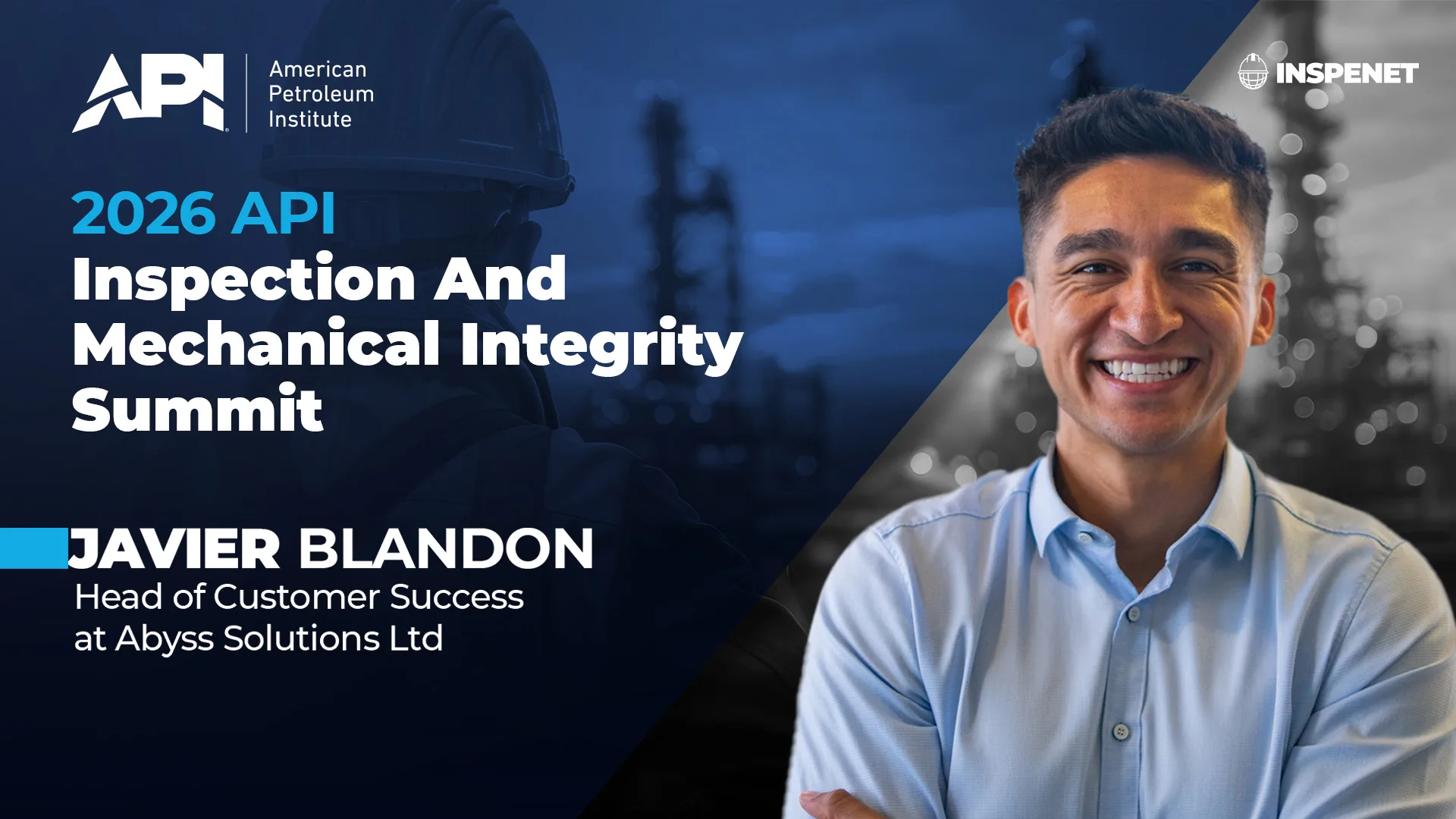
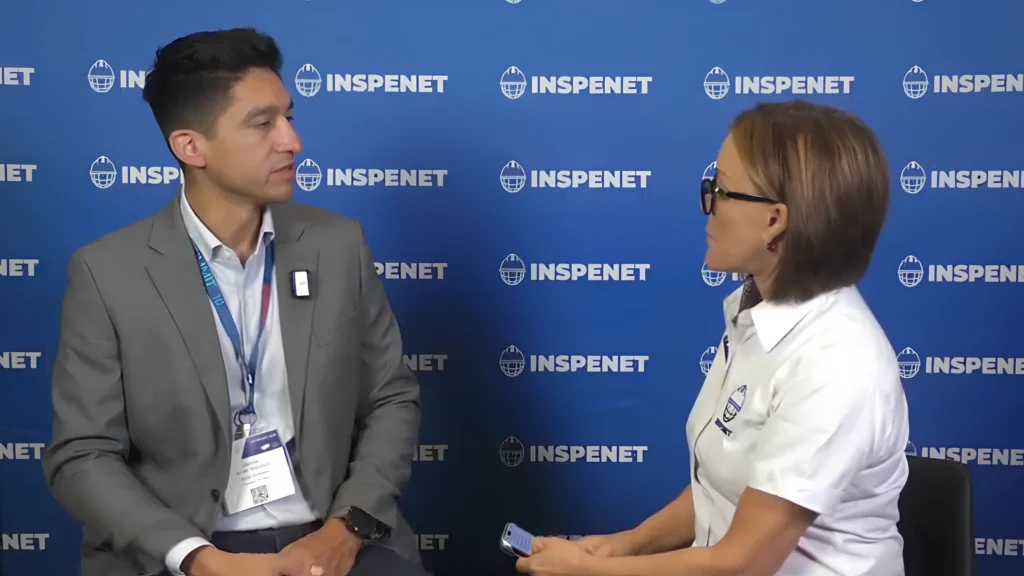
Continuous asset monitoring is gaining prominence in sectors where facility integrity is essential to ensuring safety, operational availability, and efficiency. During API Summit 2026 , Javier Blandón, Customer Success Director at Abyss Solutions, explained how the combination of artificial intelligence, robotics, and data analytics is changing the way companies inspect and manage their industrial assets. The goal is no longer simply to detect anomalies, but to have constant information that allows for proactive measures before a problem impacts operations.
From periodic inspections to continuous monitoring
Traditionally, industrial inspections have been carried out according to set schedules. While this model has allowed for monitoring the condition of assets for decades, it also has limitations by leaving long periods without information on their evolution.
As Blandón explained, the industry is moving towards a scenario where continuous asset monitoring provides a constant view of the condition of the facilities. Thanks to this approach, operators can identify changes early and plan interventions more accurately.
This change responds to a growing need in industries like energy, where assets operate in demanding environments and any incident can result in high costs or disrupt production. Having constantly updated data reduces uncertainty and facilitates more efficient risk management.
How Abyss integrates AI, robotics, and data analytics
One of the aspects Javier Blandón highlighted during the interview is that Abyss's value lies not only in the development of inspection robots. The company is committed to integrating different technologies within a single ecosystem capable of generating useful information for engineering, operations, and maintenance teams.
The platform combines autonomous robotics, artificial intelligence, and data analytics to automate the collection of information on the condition of assets. This data is then processed using algorithms capable of identifying patterns, detecting corrosion, and locating other anomalies that might go unnoticed during a conventional inspection.
Likewise, the information obtained can be incorporated into digital models of the facilities, favoring the development of Digital Twins that allow a better understanding of the evolution of each asset and planning actions based on objective data.
For Blandón, the real challenge is no longer just about capturing information, but about converting that large volume of data into knowledge that facilitates decision-making by the different areas of the organization.
Artificial intelligence complements the work of inspectors
The integration of artificial intelligence into industrial inspections often raises questions about the role of professionals in the sector. However, Abyss believes that both capabilities should work together.
During the interview, Blandón explained that the algorithms are especially effective at detecting recurring defects, locating signs of corrosion, or identifying variations that might go unnoticed after analyzing thousands of images. This automation significantly reduces the time spent on repetitive tasks and increases the consistency of inspections.
At the same time, inspectors remain a fundamental part of the process, where human expertise is essential for interpreting complex situations, validating results, and making decisions when an anomaly requires further analysis. In this way, artificial intelligence acts as a tool that expands the capabilities of specialists rather than replacing them.
Data that allows action to be taken before problems arise
The usefulness of continuous asset monitoring is especially reflected in the ability to detect changes before they evolve into incidents with a greater impact.
As an example, Javier Blandón shared the case of a Gulf Coast operator that uses technology developed by Abyss. Thanks to automated inspections, the company identifies approximately three relevant findings each quarter, information that is then used to plan maintenance activities and reduce operational risks.
Beyond the number of incidents detected, the value lies in having reliable and up-to-date information to decide when to intervene and what priority to assign to each action. This approach allows for the optimization of resources and the concentration of efforts where they truly add the most value.
Furthermore, the continuous collection of data makes it easier to understand the evolution of each asset in greater detail, which is especially useful for establishing trends and understanding how certain operating conditions affect its behavior over time.
The next challenge will be to transform data into decisions
The automation of inspections will continue to evolve over the next few years; however, Blandón believes that the main challenge will not only be in developing more advanced robots, but in harnessing the full potential of the information they generate.
As the ability to collect data continuously increases, organizations will need tools capable of organizing, interpreting, and presenting it in a way that is useful to the various roles involved in asset management . Engineers, operations managers, and maintenance teams will require specific information that allows them to act quickly and better support their decisions.
In this context, artificial intelligence will continue to play a relevant role by accelerating the analysis of large volumes of information and facilitating the identification of trends that would be difficult to detect through manual processes.
An evolution based on continuous information
The vision shared by Abyss during API Summit 2026 reflects a transformation that is already beginning to take hold in the industry. The combination of autonomous robotics, artificial intelligence, and data analytics is changing the traditional inspection model, giving way to management based on constant and up-to-date information.
Continuous asset monitoring is emerging as a cornerstone of this evolution, providing greater visibility into the status of facilities and offering companies tools to anticipate potential issues. In this context, technology doesn't replace the expertise of professionals, but rather provides them with more information to make faster and more accurate decisions.
For more content about API Summit 2026 , visit our LinkedIn profile .
Source: Inspenet .