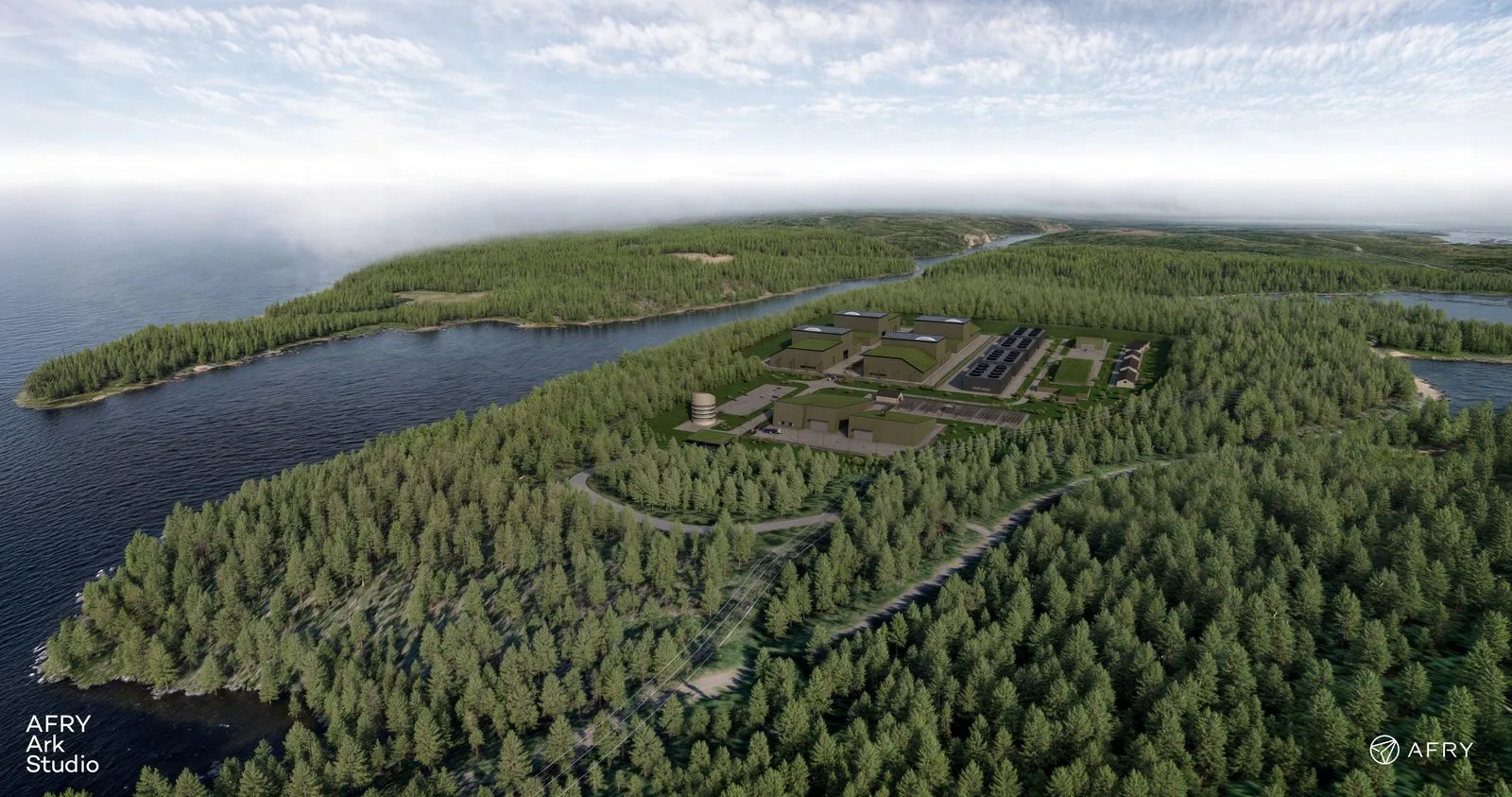
The company Norsk Kjernekraft AS has taken a decisive step in the country’s nuclear development by initiating technical research work for a potential plant in Øygarden, through its subsidiary Øygarden Kjernekraft AS.
This phase involves the preparation of technical studies and reports that will serve as the basis for a future license application before regulatory authorities, marking the formal start of a long-term evaluation process.
Regulatory framework and consolidated technical base
The research program is supported by the technical framework developed by Norwegian regulatory bodies such as the Norwegian Directorate for Radiation Protection and Nuclear Safety, the Norwegian Directorate for Civil Protection, and the Norwegian Directorate of Water Resources and Energy.
This framework, initially applied to nuclear projects in Aure and Heim, establishes detailed guidelines on safety, environmental impact, and technical feasibility, providing a solid methodological basis for the Øygarden case.
Focus on non-proliferation and safeguards
During the first phase, the project in Øygarden will focus specifically on aspects of non-proliferation and control of nuclear materials, considered essential for the regulatory and social viability of the project.
These studies will address how to ensure complete control of nuclear material throughout the entire life cycle of the facility, from fuel acquisition to waste management, under strict national and international standards.
The research will be led by nuclear physicist Sunniva Rose, who emphasizes that safeguards are not an added element, but a structural component integrated into the entire operating system of a modern nuclear plant.
Integration into the international framework
Norway, as a signatory to international agreements, must ensure that all nuclear activity is for exclusively peaceful purposes and is subject to rigorous controls.
In this context, the project will align with the requirements of the International Atomic Energy Agency, including inspection systems, continuous monitoring, and regulatory reports that ensure the traceability and control of nuclear material.
This approach is important for building trust at both the institutional level and within local communities, where social acceptance plays a determining role.
Industrial synergies and technological development
The project also benefits from the Norwegian industrial ecosystem, particularly from the experience accumulated in the offshore energy sector. In this regard, the collaboration with Rolls-Royce and Aker Solutions reinforces the technical viability of the program.
These alliances are oriented toward the development and implementation of advanced nuclear technologies, potentially including small modular reactors (SMRs), which could better adapt to the country’s energy needs.
Basis for future decision-making
Current studies will provide a solid foundation for dialogue with authorities, local communities, and other key stakeholders. Furthermore, they will allow for the evaluation of alternative locations at the regional and national levels, in accordance with regulatory requirements.
According to the project management, this process seeks to ensure informed decision-making based on solid technical evidence and compliance with the highest standards of safety and sustainability.
Source and photo: https://norskkjernekraft.com/